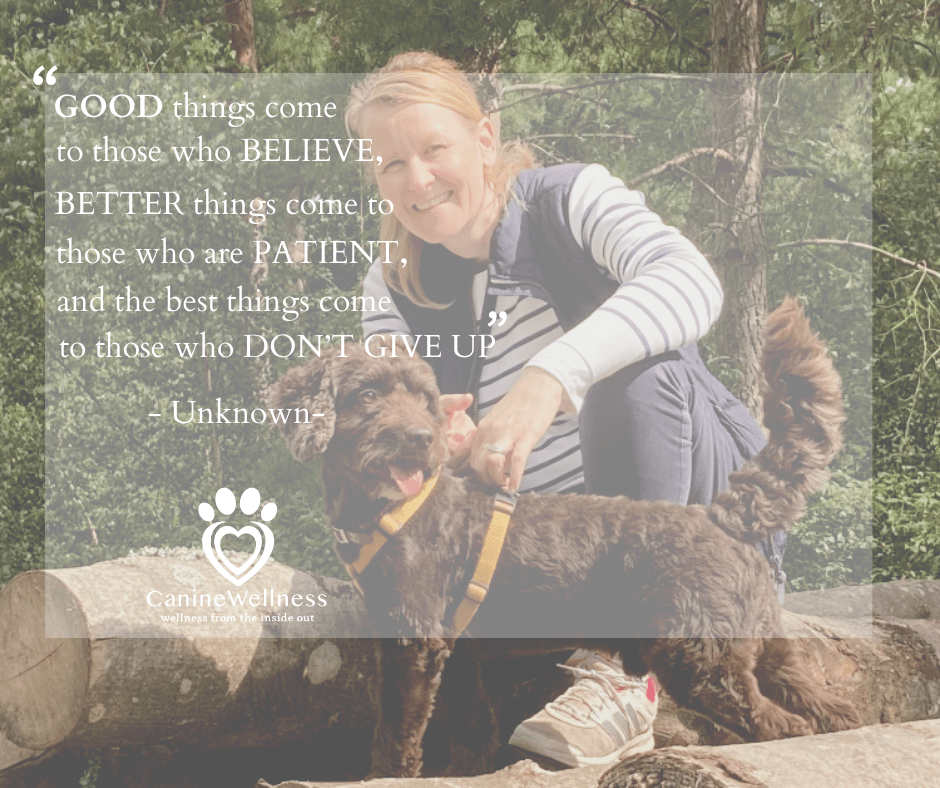
Good things come to those who BELIEVE, Better things come to those who are PATIENT, And the best things come to those who DON’T GIVE UP.
No one can deny that life can be challenging and complex at times. When we face health issues—whether our own or our dogs’—the overwhelming amount of information available can be confusing and even contradictory.
Before Monty came into my life, I never truly connected diet and disease. I didn’t realize that by simply correcting what goes into the body, so many things could start falling into place. Thanks to Monty, I’ve transformed not just his health, but my own as well. I truly believe our dogs come into our lives for a reason.
I still remember the first time my husband and I met Monty. There he was—a tiny ball of brown fluff, huddled in the corner while his littermates played mischievously. My heart was drawn to him instantly. They say the dog chooses you, but I know I chose him, too. And now, looking back, I see that he came into my life to teach me lessons I could one day share with others, helping them make better choices for their beloved dogs. Monty is my heart dog and the best teacher I could have ever asked for.
Monty’s journey taught me one of the most valuable lessons: never give up, because anything is possible. Like many first-time puppy owners, I made mistakes in Monty’s first year by following conventional pet care advice. I fed him processed food until he was seven months old, vaccinated him, and used chemical flea and worming treatments. I didn’t know what I didn’t know—just like so many pet owners reading this now.
Thanks to Monty, I now help others restore their dogs’ health, guiding them toward more natural choices to prevent them from making the same mistakes I did.
The truth is, once symptoms start appearing, reversing them can take time. Every dog is unique, and healing is not an overnight process. But when the right conditions are in place, the body has an incredible ability to heal itself.
Monty showed signs early on that something wasn’t right. He was always a little itchy as a pup, but I assumed it was normal. Looking back, I now know it wasn’t. At six months old, a hot spot appeared behind his ear. He was also dealing with digestive issues from the time I brought him home, and I was becoming increasingly concerned.
A vet visit led to a stool sample test and a prescription of Protexin paste along with some unidentified pills. Like most pet owners, I trusted the process and started giving them to him—until something in me hesitated. On the second day, I stopped. Something felt off. My intuition, though still developing, was already speaking to me.
Monty was later given antibiotics, steroids, and even a steroid injection for another hot spot. Looking back, I wish I had known better.
And then it finally clicked—it was the food! Why hadn’t I made the connection sooner? If I had known then what I know now, I wouldn’t have exposed him to unnecessary medications and toxins in an attempt to fix what his body was trying to communicate to me all along. I had a long road ahead, but I was determined to make it right.
The conventional route would have led us to dermatologists, Cytopoint, or Apoquel. But by that time, I had gained enough knowledge to say no. My natural healing journey had officially begun.
I knew deep down there had to be another way—and there was. Suppressing symptoms with drugs doesn’t heal the root cause.
Investing in your dog’s health is not about quick fixes. It takes time, patience, and dedication. But the rewards are beyond worth it.
Thank you for reading, and for being part of this journey toward healthier, happier dogs.
Did you know making your dog food isn’t as difficult as you may think? Many are concerned their dog won’t get the correct balance when feeding a DIY diet. This is all marketing based on a commercial pet food way of thinking, and we know how bad this is for them. So fear not! Making your own is pretty simple when the confusion and misinformation surrounding this concept are removed. Dogs are pretty simple to feed. As long as we ensure they have a variety of bone, muscle meats, and organs rotated over time, they should receive enough nutrients to keep them healthy.
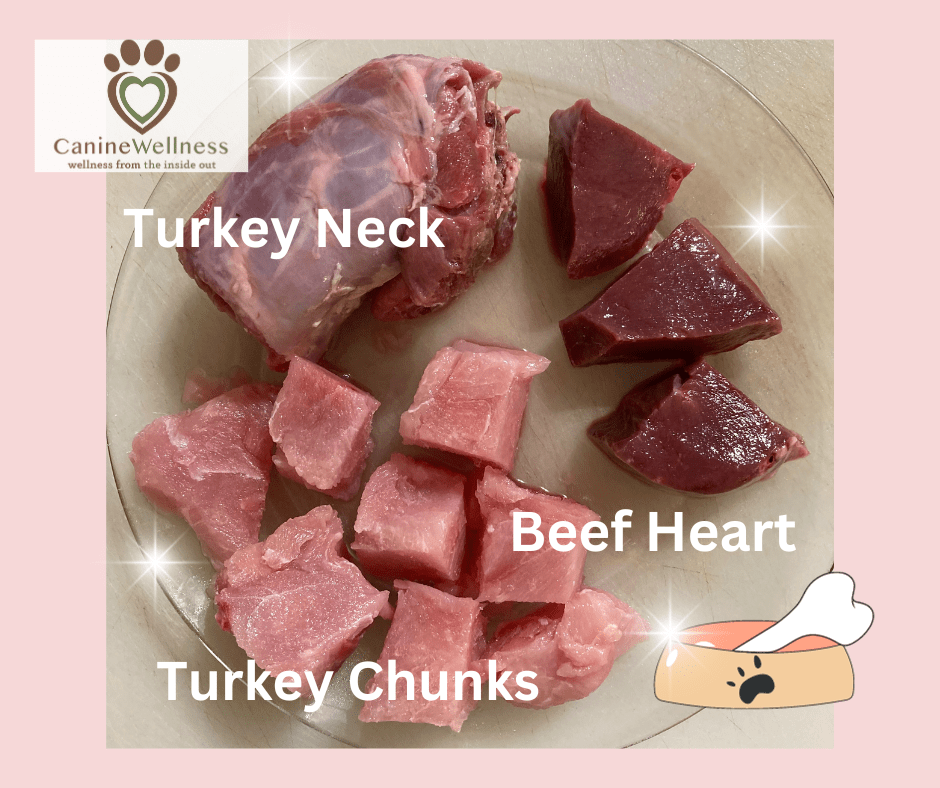
I prepared this turkey and beef heart meal for my dogs over Christmas and thought I would share it with you.
B3 – Your dog can meet all its needs from niacin through diet. It helps keep your dog’s nervous system, digestive system and skin healthy.
B6 – It is important for normal brain development and keeping the nervous system healthy.
B12 – Plays an essential role in red blood cell formation and metabolism.
Turkey also contains selenium, zinc, and phosphorus minerals vital to bone, thyroid, skin, teeth, and blood health. Turkey is also loaded with the amino acid tryptophan, which helps make melatonin and serotonin. The hormone melatonin plays a role in the sleep-wake cycle. Serotonin is a neurotransmitter that controls mood and creates a long-lasting feeling of happiness and well-being. The liver can also use tryptophan to produce B3, which is needed for energy metabolism and DNA production.
Turkey’s skin is very high in fat. Be cautious when buying ready-made minces as they will be marketed as ‘low fat’. Some cuts with skin have more calories and fat than skinless cuts. The raw food manufacturers rarely remove this before putting it through the mincer. If they do, it won’t be the amount we would if preparing it in our kitchen. As toxins are stored in the fatty tissues, we do not want to feed this to our dogs. The only way we have control over the fat content is to make the food ourselves.
Beef Heart
It is classed as muscle meat.
It is best to feed in moderation as it can be pretty rich for some dogs. Ideally, feeding no more than 20% of the diet is sufficient. If it is the first time feeding beef heart, I suggest feeding 10% and working up to 20% of the daily amount. Poop-watching is your best guide. If poops become loose or your dog has diarrhoea, cut back and work up gradually or stick to what is suiting. It will also depend on how much bone is in the diet (which is what I help people with to ensure they are getting the correct ratios). I feed heart regularly to my dogs due to it being rich in the B vitamins B1, B3, B12, and B6. Hearts are an excellent source of iron, contain all the essential amino acids, and are a highly concentrated source of CoQ10, also known as Q10, which improves energy and heart health, of course!
Although I haven’t pictured organ meats such as liver, spleen or kidney, I regularly add these to the diet, sometimes fresh and other times as dehydrated treats. On this particular day, I gave beef liver treats throughout the day for training and enrichment. Homemade, of course, in my dehydrator 🙂
Liver treats
Beef liver is one of the most nutritiously dense foods on the planet. It contains significant amounts of iron, B12, B2, and the nutrient choline essential for brain development and liver function. It also contains Vitamin A, which helps the heart and kidneys function and is necessary for good eyesight. Around 5% will be sufficient as feeding too much can cause loose poops, so it I best to weigh this to make sure. You will know what your dog can tolerate once you have fed this a few times, and you will no longer need to weigh it.
Turkey Necks are brilliant for cleaning teeth. They are relatively soft and easily digestible. They are super for mental stimulation, too!
If you need nutritional help, are looking into preparing your dog’s foods yourself or are dealing with a health issue you would prefer to manage through a more natural approach, get in touch.
It has been known for thousands of years why diseases come about. However, we have yet to be taught their true meaning because we are so conditioned to think it is outside of us and is not in our power. It would help if we were taught in school, but this isn’t the case. Rarely do we see people promoting health only treating diseases. Allopathic Medicine, as we know it today, treats symptoms using drugs, radiation or surgery and never looks at the root cause of the disease. Hippocrates was right. He was a Greek physician (460 BC – 370 BC) who believed that diseases were ‘caught’ naturally.
What did he mean by this?
“They are developed from small daily sins against nature.”
It is common sense when considering what those daily sins can be; let’s look…
1. Diet:
How would our dogs eat in nature on a day-to-day or week-to-week basis? We only need to look at their closest living ancestors (wolves, coyotes, dingoes and red foxes). Our domesticated dogs share 99.8 % of the same DNA as wolves. We are so far removed from the natural world and sadly live in an ultra-processed one. So, top of the list would be diet! What is the saying? We are what we eat, so it is no different for our beloved dogs. Once we start feeding our dogs that is aligned with their physiology, health remains or health returns.
What other things go against nature regarding domesticated dogs (and cats)?
2. Toxic chemicals:
Flea, tick, and worming products are insecticides known to cause neurological issues, seizures and death. They are also finding their way into UK waters and polluting the aquatic species’ environments. https://www.theguardian.com/…/pet-flea-treatments…
When a dog is given treatment, the toxins circulate through the bloodstream. When a flea or tick takes a bite of your dog, it is infected with the poison and dies! Just think about what that does to your dog. If used regularly, this poison will remain constantly in the body, adding to disease. Bravecto Nexgard Comfortis Simparica Trifexis & others Do They Kill Dogs?
3: V£ccinations:
Many people want to do the best for their dogs, and as new puppy owners, they will do everything by the book. I did this, but sadly, it got me into trouble with my dog Monty. I over v£ccinated him, poisoned him with monthly flea and tick spot-ons, gave him worming tablets and fed him food that was making him sick. Core v£ccines (parvovirus, distemper and hepatitis) are not legally required. Still, many are unaware of this and usually have them administered because vets say they should. If we question it or decide not to proceed. We are classed as irresponsible. I wish I knew what I know now, but if I didn’t experience what I did, I wouldn’t be doing what I am today, helping many pet owners make better choices for their extended furry family members
Think about what you are feeding and what chemicals you are using, not only on and in your dog but around the home, too.
“When enough sins have accumulated, illness will suddenly appear”
Many factors play a part, but these are the top three that need to be addressed before a sick dog has a chance to heal. Once they have been addressed, the body will start to heal; it is rarely a quick fix, but it is possible with commitment, hard work and trust in the body’s natural healing abilities. I usually suggest a minimum of 6 months until we see an improvement, but every dog is different and will have more to overcome than others. Usually, the older the dog, the longer the healing can take place.
Here is the lowdown and what you need to know about these little critters and how to eliminate them.
What are harvest mites?
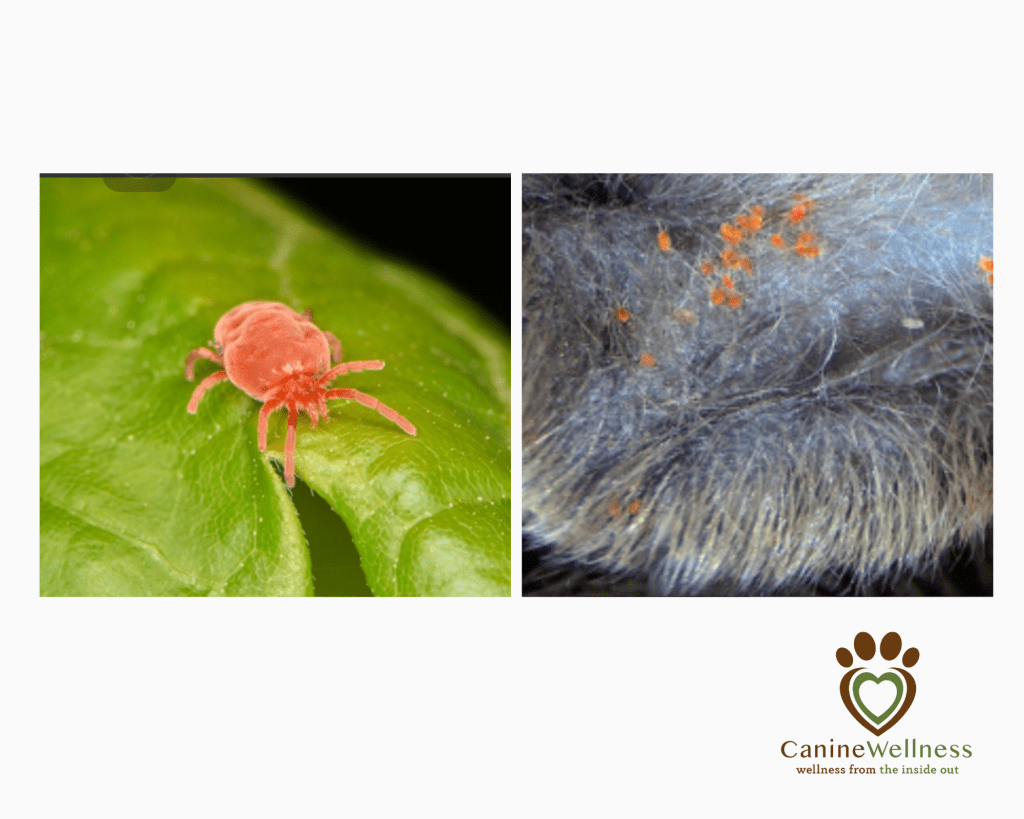
Harvest mites (Trombiculidae), also known as berry bugs, are tiny arachnid family members. They are red-orange in colour and are around when the temperatures over the summer are warm, as they prefer warm, dry weather. They are just 0.2mm in size and can be seen with the naked eye if you look closely, unlike other types of mites like sarcoptic mites and ear mites. Harvest mites live on your dog’s skin surface, while sarcoptic burrow into the epidermis. The larvae live on the skin until they grow into adults, so don’t panic; they won’t hang around for long. Usually, after three weeks, they remove themselves and, in the meantime, they cause your poor dog to become itchy and uncomfortable. Some dogs are susceptible to mites and can overreact to their presents. I deal with many dogs with this condition, and there are ways to support them without harsh chemicals. Read on to find out more.
Between the end of July and the beginning of October, they can be found in woodlands, long grass, low bushes, and plants. They are usually around the warmest time, midday, so early morning and evening walks can avoid them. If you have a dog that loves rolling around in the grass like my two dogs, beware! Regular checks after walks would be a good idea to keep on top of these little beasties. Regular brushing or using a lint roller may help when you return from your walks, and apply homemade apple cider vinegar and water spray just before you leave.
Where should we be checking?
They typically accumulate in areas such as the paws, between the toes, ears, front legs, armpits and tummies, but they can appear anywhere on the body.
Signs to look out for.
Intense scratching.
Rubbing or biting to relieve the itch.
Red patches of skin or hot spots.
Hair loss.
Naturally, if you take your dog to the vet, they will likely prescribe a range of products to kill off the mites, which contain ‘insect poisons’ or ‘pesticides’. Although there isn’t a prescribed treatment specifically for Harvest Mites, they will usually reach for one of the products listed below. All of which contain toxic ingredients such as Isoxazoline. Many dogs have severe adverse reactions to these, including seizures, muscle tremors, convulsions, skin disorders and even death. The U.S. Food and Drug Administration (FDA) has alerted pet owners and veterinarians about the potential for neurologic adverse events in dogs and cats treated with flea/tick products. Fact Sheet for Pet Owners FDA
These products include
Bravecto Fluralaner
Bravecto Plus Fluralaner/moxidectin
Nexgard Afoxolaner
Nexgard Spectra milbemycin oxime + Afoxolaner
Simparica Sarolaner
Revolution Plus Selamectin and Sarolaner
Simparica Triple Sarolaner Moxidectin
Frontline
Seresto, to name a few.
Of course, we don’t want our dogs to be uncomfortable, and the thought of them having these critters is unpleasant, but are they needed? You can find many distressing stories from pet owners here. Research yourselves to make an informed decision before using these products, and don’t blindly trust your vet. If you have had an adverse reaction to these products, please report it here. GOV.UK. Many herding breeds with the MDR1 gene, which are most commonly found in Collies and Australian Shepherds, make them more sensitive to the adverse effects of certain drugs, but any dog or cat has the potential to react. It is playing Russian roulette with your pet’s life.
Natural alternatives that may help your dog while dealing with harvest mites
Neem oil
Thornit powder
Green Clay
Apple cider vinegar
KG Pet Spray
Neem powder
Diatomaceous earth (DE)
Here I share my first-ever experience with harvest mites…
After a pleasurable walk surrounding a local golf course in mid-August 2022, my two dogs started nibbling their paws on our return. It was out of character for my younger dog Teddy so I knew something was irritating them both. It isn’t always easy checking curly-coated breeds (they are cockapoos), but after close inspection, I could see a cluster of what looked like orange dust. I tried to scrape it off with my nail, but it wouldn’t shift. I applied some Thornit powder, my best option while waiting for the Ekoneem Neem Oil to be delivered. I also tried neem powder mixed with a small amount of food-grade diatomaceous earth (DE) but still no luck. I rarely use DE on the skin as it can be drying and harmful if inhaled, so I applied it outside in the open.
I got to work straight away when the neem oil arrived. I used the oil twice daily. After three days, I hoped they would have gone at this stage. Teddy was clear, but Monty was still having issues. I continued for another two days to his affected paw and covered it using Pet wrap to stop him from licking and nibbling the area. After day 5, they were gone! Neem oil is very effective but be prepared. It has a smell you won’t forget! The pot is still in my fridge. I hope it won’t be needed this year. My fingers and toes are crossed! Yes, it was an inconvenience at the time and probably took longer than if I were to use chemicals. Still, I am happy to say natural alternatives work instead of using these unnecessary harmful products on our beloved dogs.
Many dogs dealing with inflammation are likely to be tormented by these mites or any mite, however a healthier dog may not be affected as much hence why Monty was affected more than Teddy. Every dog is different in this respect and will depend on the condition of their inner terrain. Suppose you have a sensitive dog and need help understanding this and managing their symptoms. Do you need guidance? Get in touch.
There are many health benefits to feeding watermelon—especially when it comes to healing a sick dog.
The luscious rosy red flesh in watermelon contains lycopene, a powerful antioxidant vitamin.
Lycopene is an organic compound that belongs to the carotene family. They are a group of naturally occurring pigments known as carotenoids that give fruits their vibrant colours. According to this study in fresh fruit, watermelon came first with the highest amount of lycopene.¹
Dietary antioxidants are known to support disease prevention by protecting cells from the damage caused by free radicals and reducing inflammation and cancer.² Watermelon is packed with nutrients and beneficial compounds that can contribute to healthy skin, which are found in vitamins A and C. That must be beneficial for itchy dogs, right?
But perhaps you think dogs shouldn’t eat watermelon or any kind of fruit because they only eat meat? It’s also very misleading that the sugar in fruit is bad for dogs, especially for those who are yeasty. You can find out more about yeast here Yeast and Dogs
Did you know the grey wolf is our companion animal’s closest living ancestor? They share 99.9% of the same DNA! This means our domesticated dog (Canis familiaris) is a direct descendant of (Canis lupus), the grey wolf.
Wolves are also seen eating many other plant foods in the wild—thanks to organisations like the Voyageurs Wolf Project who study them. According to the footage below, blueberries can make up 83% of wolf packs’ weekly diets during July. So, they don’t just eat meat! Fruit is their secondary food in nature, which may come as a surprise.
Perhaps that’s because wolves are often portrayed in nature programs as bloodthirsty, wild animals hunting their prey. But here you can see wolves gently foraging on blueberries: 👉 First-ever footage of wolves eating blueberries 👉 Coyote in a tree eating apples (Yes, coyotes are part of the canine family, too!)
We’ve become so far removed from nature when it comes to feeding our domesticated dogs. If you haven’t already, it’s worth taking a look at commercial Pet Food: https://canine-wellness-specialist.uk/2022/07/20/commercial-pet-food/ Once you see what’s really in it, it makes total sense to start mimicking how dogs would naturally eat. That’s when the magic happens and we get a real shot at reversing some of the chronic issues affecting sick dogs.
In many cases, it’s not our fault, mainly because the issue isn’t discussed enough. Of course, we all want our beloved dogs to be happy and healthy, but it can be overwhelming with the amount of information available. Sadly, much of it is wrong. No one truly knows exactly what a dog should be eating, but nature rarely gets it wrong.
Wild dogs don’t eat both meat and plant foods together. You won’t see them eat a whole rabbit, then go forage for berries straight after. This is explained in Rotational MonoFeeding and The Natural Dog & Cat Diet, which follows this method.³⁴
Watermelon must be fed on its own, away from any other plant food (or meat), because it digests very quickly. Many feeding methods, including BARF and PMR, are making this mistake.⁴
When vitamin C is consumed in its pure, natural form, it helps the body make collagen, a protein that keeps skin supple and hair (or fur, in this case!) strong.
Vitamin A is also important for healthy skin and supports the creation and repair of skin cells.⁵
But it’s not just the flesh that’s good for dogs, the seeds and rind are nutritious too! Yep, your dog can eat these as well. Watch the wolves in the video above as they munch on the rind. My dogs love it, and it gives them something to think about, too.
The seeds contain minerals like:
Magnesium – supports muscle and nerve function and energy production
Zinc – key in creating DNA, growing cells, and healing damaged tissues
Iron – essential for making haemoglobin, which helps red blood cells carry oxygen
The rind is full of:
Vitamins C, B6, and A
Zinc and Potassium
What is potassium? Its main role is to maintain normal fluid levels inside cells, move nutrients in, push waste out, and balance the body’s pH between acidity and alkalinity. This helps bring the body back to homeostasis (its natural balance).
Another reason I love watermelon is the power it has to help the body heal, because the body can heal itself if we create the right conditions.
Many people find fasting their dogs difficult (me included!), but sometimes fasting is necessary depending on the severity of the health issue. Universally, fasting or even intermittent fasting is a natural part of healing. You can read more about fasting your dog here:https://canine-wellness-specialist.uk/2024/04/09/fasting-dogs/
Thanks to its whopping 92% water content, watermelon keeps dogs super hydrated and is easy on the digestive system. It’s much less taxing than digesting meat and bone, so it can actually replace a fast if fasting feels mentally difficult.
Just a heads up: when you feed your dog a full meal of watermelon, they’ll pee a lot!
If you have any questions or want to get to the bottom of your dog’s specific health issues or concerns, get in touch.
Commercial pet food no doubt is the most convenient way to feed your dog but is it the healthiest? In short, no is the answer because anything that has been highly processed and cooked to death has no life force in it. Dead food is a burden on the body. We call it dead food because it has no nutrients as the refining process takes out most of its vitamins, minerals and fibre. There are very few that are good, well actually there isn’t one that comes to mind because ALL processed food has been interfered with and contain many unpleasant ingredients including aflatoxins which are carcinogenic, more on this and how different types of processed dog (and cat) food are produced near the end of this post.
‘A staggering half of adult dogs will get cancer and this is primarily due to the food we feed them’.
A brief history
In 1860 the first commercial pet food was developed by an American electrician named James Spratt. He observed dogs at the dockside in North London scavenging the dry biscuits sailors ate on long trips. The hardtack was made of flour, water and occasionally salt in need of a long shelf life. This gave him an idea so he ditched his electrician job and set out on a new career creating the first ever dog biscuit he called ‘Spratt’s Meat Fibrine Dog Cakes’ which were made from a mixture of ingredients such as wheat meals, vegetables, beetroot and beef blood, all mixed together then baked. Much to Spratt’s delight they went down well with English countrymen who gave his biscuits to their sporting dogs.
By the early 1900s, more people were taking notice of the commercial pet food market and convenience was the name of the game. Canned pet food was a popular option and was produced in 1922 called Ken-L Ration which was made from horse meat. By 1941, 90% of the pet food market was stamped with seal of government approval and had 90% share of the market. When World War II broke out the canned food was rationed as it was classified as ‘non-essential’ so the creators had to get creative and that was when in 1956 the first dry kibble was produced by Purina through a process called extrusion.
By 1964 a tactful marketing campaign that was on the radio, television, in magazines and newspapers did a great job at imploring consumers to ‘Ban All Table Scraps’ and switch to dry kibble. The marketing successfully convinced the public and to this day many folks are scared into thinking fresh food; as in raw or cooked food is not good for pets and that by feeding a processed kibble is the only way our dogs will get a balanced diet; this couldn’t be further from the truth. By 1988 Nestle (yes, the company that make chocolate bars!) acquired the company for £715 million. In December 2001 Purina merged with Nestle Friskies division to form Nestle Purina PetCare Company. Spratt’s Patent – Graces Guide
Commercial pet food is commonly mislabelled, that contains ingredients which are not listed, or not containing ingredients listed on the label. Only 6% (6/97) of wet and 38% (30/80) of dry food were fully compliant.
The word ‘complete’ simply means that the food does not require any additional feed added to it and ‘complimentary’ means it does require additional feed, such as a biscuit mix to a wet food type food. It is not stated that the food is full of all the enzymes, micro nutrients and digestible nutrients that a dog’s body is in need for growth, health and well-being. Yet to be classed as complete, a dog food only has to contain ‘some’ of the essentials and not necessarily those essentials even being at the minimum required level. The general guidelines used by the pet food manufactures here in the U.K are set by (FEDIAF). Their original guidelines that list the minimum and maximum essential nutrients, do not take into account dogs as individuals or what a dog should naturally eat (as in food that mimics what they would eat in nature) so these guidelines are pretty useless and sends us down the completely wrong path. Sounds confusing doesn’t? and why wouldn’t we listen to a big establishment like this, surely they must know what they are talking about? They make the pet food industry a lot of money. It is all about profit and not the health of our pets.
By the time the food reaches its packaging, the nutrients originally present before cooked to extremely high temperatures will have been compromised and altered, so Imo these guidelines are meaningless, because the canine body cannot recognise or make use of these inappropriate ‘foods’ and other unfavourable substances they contain are stored in fat cells. In our dogs’ bodies, these wastes relentlessly circulate in the blood stream, get deposited in tumours or fatty tissues and generally wreak havoc with organs, particularly those tasked with eliminating waste from the body – the liver, kidneys, lungs, intestines and skin.
With thanks to Mr James Spratt the world has been conditioned into thinking that feeding a processed food is the only way to feed their dog. Here are just a few unpleasant and useless ingredients that can be found in commercial pet food.
Cereals: wheat, maize (or corn), rice, oats, barley and sorghum are primarily found in dried food. Many low-grade foods don’t state the actual grain they use and will come under ‘cereals’. Considering dogs have no nutritional requirement for grains and they have a very difficult time digesting them, these are merely added to bind the little biscuits together and bulk out the food, and basically used as a cheap filler! as carbohydrates are more economical than protein. This results in more money in the manufactures pocket and more disease created in our pets. Toxins found in dry food is produced by the mould Aspergillus flavus that can grow on pet food ingredients such as corn and legumes. They are also found in peanuts and tree nuts. The toxins can be present even if there is no visible mould on the pet food – Aflatoxin Poisoning in Pets. Source here: Aflatoxin Poisoning in Pets | FDA
Most cereal based dry foods contain at least 50% highly refined starch including grains, potatoes, and pea protein or pea flour.
Meat and Animal Derivatives: or also known as by-products. According to European Law these are defined as: “all the fleshy parts of slaughtered warm-blooded land animals, fresh or preserved by appropriate treatment, and all products and derivatives of processing of the carcass or parts of the carcass of warm-blooded land animals”.
This is generally the parts of carcass that remain once the ‘good bits’ have been taken out for human consumption. This can be any part of the animal including beaks, feathers and hooves. Sounds delightful doesn’t it – not!
BHA/BHT: also known as butylated hydroxy anisole and butylated hydroxytoluene are artificial preservatives and antioxidants. A preservative is any ingredient added to food to slow down spoilage. Both BHA and BHT are amongst the most common used in pet food. According to a study here: https://pubmed.ncbi.nlm.nih.gov/3757972/ they are tumour promotors found in rats (poor little rats that were used for this experiment!). Despite the evidence both are currently permitted in pet food, and human food.
Colourants: artificial colourings are often derived from petroleum. Common colourings used are sunset yellow, tartrazine, ponceau 4r, patent blue V and titanium dioxide which often persist in the environment. Most studies indicate that dogs are colour blind so the only role of colourings is to appeal to the owner and not the dog! Many colourants are detected by ‘E’ number which scientific trials have shown a clear link between food additives and ADHD (attention deficit disorder) and hyperactivity in children. Unfortunately these ingredients have the same effect for our dogs leading to behaviour problems. This can go unnoticed and many owners don’t link their dog’s behaviour problems with diet. Source here: https://pubmed.ncbi.nlm.nih.gov/22864801/
Additives: Unhealthy additives like fat, salt and flavourings that are in commercial pet food is designed to be addictive. These make the food more palatable and mask the fact that the food is pretty unpleasant! Most dogs wouldn’t eat it without these addictive and harmful additives.
So these are just a few of the ingredients listed in processed dog food, there are many more! Whole fresh food doesn’t have an ingredients list, so something to think about there! This doesn’t only apply to dogs, it is the same for humans too.
“We are warned to read labels, the salutary truth is that we shouldn’t be eating anything with a label on it” – Author T.C Fry
Dried dog food comes in a category of cooking processes. I have listed them in order of lower to ‘better’ if there is such a thing with cooked adulterated food!
Extrusion: Most common dried food known as kibble. It is cooked at high pressure and temperatures that contain pre-dried ground ingredients in forms of powder. They are sprayed with oil and fats to enhance the aroma (which entice dogs to eat it), and artificial vitamins and minerals are added due to the naturally occurring nutrients largely being destroyed. Artificial colourings can also be added to resemble the appearance of meat and vegetables.
Baking: Cooked at lower temperatures than extrusion which may leave more of the nutrients intact.
Cold pressed: Is cooked at lower temperatures and dried and ground before pressing. This type of food is growing in popularity due to their marketing strategy convincing consumers that the lower heat preserves more of the nutrients.
Air drying: Ingredients start fresh rather than ground or pre-cooked. The heated air removes water through evaporation thought to reduce the damage to proteins, vitamins and enzymes.
Freeze drying: Initially freezing then gently heating the ingredients within a vacuum to remove any moisture. This is the ‘most natural’ form of dry food available and is often marketed as – freeze dried ‘raw’ dog food, which of course it isn’t raw, this is just another marketing ploy (also the most expensive!) this supposedly comes with a good shelf life, and without need for artificial preservatives. Some manufactures advise to add water.
Canned dog food: As already mentioned it became popular in the early 1920s. Wet dog food today comes in cans, pouches and trays. It has more moisture than dried so it is kinder to the kidneys and easier to digest than kibble, but that is the only positive I can say about wet food! The quality of ingredients varies and also the way it is manufactured. Less heat and the number of times it is cooked the better. This is called the ‘sterilising’ process where the food passes through a retort, or heating chamber. The cans are heated to about 250 degrees Fahrenheit (121celsius) for 80 minutes, though the cooking temperatures and times depend on contents, steam pressure, and can size. A vacuum is used when sealing the cans and have a shelf life of three to five years! Imagine that, yuk!
Identical to the way kibble is made, a ‘premix’ of synthetic vitamins and minerals are added because of the loss of nutrients due to the high temperatures that are involved. This synthetic premix is added to most processed dog and cat foods. The majority of these wet foods are basically wet kibble! Because they are made the same way and start off as a ground up powder.
Prescription diets: Your vet has a financial interest in selling you commercial foods. They have been conditioned themselves into believing this ‘food’ is suitable by the big companies that make them; who also influence the curriculum at universities that lecture trainee vets on nutrition. They also own all the research funds too. Prescription diets are much more expensive although they have poorer quality ingredients that are all packaged in plastics that disrupt the endocrine system. These are made by an industry with no oversight that essentially regulates itself who are more interested in making big profits than the health of our beloved four-legged friends.
Cooked Diets: Has become popular in recent years as dog owners are realising that feeding dry or canned food isn’t such a healthy option and want more for their dogs. But are these cooked foods any better? There are a couple on the market that come to mind, both are expensive and contain a concoction of inappropriate ingredients that complicate digestion and dogs can’t make use of. As they are cooked, automatically nutrients will be denatured so to replace them, synthetic vitamins and minerals are added – similar to dried and wet foods, feeding fractionated and refined ingredients that many supplements contain would never be found in nature. The main minerals that will be added synthetically is calcium and phosphorus due to the lack of bone (that naturally contain these) as they are essential for optimal health. These cooked foods are an improvement over feeding processed kibble and canned food but they still go against the principles of what a dog should naturally be eating. Inevitably this will sadly lead to disease.
According to PMFA (Pet Food Manufactures Association). To date (July 2022) the pet food industry here in the U.K is worth £3.3 billion! Staggering isn’t it.
All commercial foods are extremely dehydrating for the body. Kibble is between 5 and 10% water. Canned foods are around 75% water (also known as ‘moisture content’ on labels). As already mentioned, canned food is made from the same debris as kibble so don’t let the labels fool you!
Water is one of the most important elements of the body, and is needed to create energy. This is called Adenosine triphosphate (ATP) a molecule that carries energy within cells – all living things use ATP. Water is also used to create mucus, dilute and transport toxins and hydrate the body.
All fresh, biologically appropriate foods contain significantly more hydration than their cooked, denatured counterparts. Most fresh, whole, raw foods are around 70-80% water, every cell in the body appreciates water. The body is made up of around 60-70% water, so you see, there is an equilibrium in nature! When the body becomes super hydrated by feeding the appropriate food almost all burdens are lifted.
Let’s talk about Raw Commercial Pet Food
Kudos to you if you have made the switch and are feeding your dog fresh real food! Raw food isn’t treated equally so don’t be fooled into thinking that the commercially prepared ‘complete’ or 80:10:10 you are feeding is going to be the healthiest choice, just because it is a raw diet! I come across many owners who have fed their dogs raw food (as in BARF) for many years but are still facing health issues and disease in their dogs. As I have mentioned in previous blogs, over consumption of fat can be found in many of the pre-made minces. If the manufacturers of commercial raw pet foods trimmed the fat from the fattened up for market animals they buy for the addition to their products they would not make a profit, they are in business after all. 80:10:10 has become very popular over recent years and as long as they continue to be in demand, and consumers believe that this is the best way to feed their dog, they will carry on producing them.
Preparing food in your own kitchen is the only way to keep dogs (and cats) healthy as we have control over what they are actually eating. Many of us are led to believe that they can only achieve a ‘complete’ and ‘balanced’ diet by feeding a commercially made food (steer clear if you hear this as there is no such thing as balanced premade food. Dogs are pretty simple creatures when it comes to diet. All they need is real actual food that consists of a few essential nutrients that is found in nature, and what we see their wild counterparts eating. Mother Nature is rarely wrong). No one really knows exactly what a dog should be eating – especially the pet food industry! In this crazy modern world we live in, we are constantly surrounded by unnatural commodities that are so far removed from nature. When we go against what our dogs’ bodies (and humans) are designed to eat, the onset of disease will occur. If diet is not corrected, disease will progressively get worse. Indeed dogs need certain nutrients to thrive but it really isn’t as complicated as we are led to believe. We have been conditioned into believing the nonsense that these big companies promulgate (that are also backed by our conventional vets). Vets are amazing surgeons and we wouldn’t be without them in emergencies, but many vets know very little about how to feed a dog (and cat) which is shocking isn’t it? considering diet is the foundation to health and well-being! Not only ‘what’ we feed them is important, it is the ‘way’ we feed them that is crucial too. Perhaps you already feed your dog a raw diet and are still dealing with health issues? Contact me if you are looking to feed your dog fresh wholesome food that promotes health and not disease. All this can be achieved and prepared in the comfort of your own kitchen.
For many reasons that has been mentioned in this post, I do not use or support processed food of any kind. I provide step by step healing diet strategies using whole foods only, the type you can pick up from the supermarket that can be added to your weekly shop! Yes, it really is as easy as that. I provide easy to follow, bespoke weekly meal plans to suit your dog’s nutritional and healing requirements. If you need one to one support, get in touch.
Understanding the seven stages of disease and why they are important is crucial but very often we don’t pick up the warning signals. We either choose to ignore them, don’t understand what is happening, or have a belief that disease is just the norm or part of aging, which is not true. The human body (and our canine’s body) are a magnificent example of how truly remarkable they are so all we need to do is listen to them or observe. When we are aware we can change or do something about it. Unfortunately we can’t feel what our canines feel and as they can’t talk to us, this is when observation and understanding them is paramount.
The first of the seven that is noticeable in our canines would be number 3: Irritation (itchy skin for example) or 4: Inflammation. All through the first six stages, the body gives continuous warnings. If the warnings are understood and corrective measures are put in place (generally a change in diet, how we feed them, removal of chemical flea and wormers, and a reduction of stress in their life), the warnings stop. If they are not understood or the causes haven’t been removed, or often supressed with drugs the warning signs become progressively worse and will result in the last stage of disease.
1. ENERVATION – meaning low energy is the first step into disease. The word enervation comes from the word energy, and energy is the essence of all life. We need sleep to regenerate nerve energy for the brain and nervous system. Enervation is a state in which the body is either not generating sufficient nerve energy for the tasks the body must perform, or the tasks the body must perform may be greater than normal nerve energy supply can cope with, resulting in the body’s functions becoming impaired. This includes the processes of elimination of both endogenous (internal) metabolic wastes and exogenous (external) poisons introduced into the body from toxic by-products of both metabolism and residue of foods taken into the body, and toxic chemicals in the environment. This damage results in further diminishing the body’s ability to restore the exhausted nerve energy. This results in a condition called toxemia or toxicosis which is the second stage of disease.
2. TOXICOSIS – toxemia or toxic build-up occurs when un-eliminated toxic material from body metabolism and/or from toxins taken from a poor diet, drugs etc start to saturate the blood, lymph nodes and tissues of the body. Other factors such as excessive stress, insufficient sleep and traumatic experiences deplete the body of nerve energy or prevent its sufficient regeneration. Certain amount of toxins in the body is totally natural. It is when there are more being produced than are being eliminated that the problem arises. When the level of toxemia has reached the point where such toxins must be eliminated the next stage of disease is fever. Fever is the general sign that insufficient toxins are being removed. To prevent damage, the body increases its temperature to burn toxins. Fever is an activity of the body taking action for the purpose of protecting itself.
3. IRRITATION – The third stage of disease is when the body unloads its toxicity at various points of the body. Irritation takes the form of feeling uncomfortable, the urge to urinate, having a bowel movement or itchiness. The skin is the largest organ of elimination so if any part of the body becomes itchy, it is a classic sign that toxins are being removed. When the body is in a state of irritation, other symptoms can be feeling nervous, aggravated and nauseous. If the causes of enervation/toxicosis/irritation remain, inflammation results.
4. INFLAMMATION – This stage of disease is usually first noticed and is recognised by physicians as pathology, for it involves pain. Inflammation is the body’s most intense effort to cleanse and restore itself. Pain is the body’s most effective warning sign and is designed to protect the body when health is at risk. By the time inflammation (toxins) in the system move to a particular organ or area of the body – for a massive eliminative effort – the body part becomes inflamed due to the constant irritation from toxic (acidic) material. This is when a diagnosis is made with one or more of the ‘Itises’.
‘Itis’ used at the end of organ words means inflammation.
Dermatitis: Inflammation of the skin
Arthritis: Inflammation of the joints
Colitis: Inflammation of the colon
Hepatitis: Inflammation of the liver
Nephritis: Inflammation of the kidneys
When a lymph node becomes inflamed, it enlarges and becomes tender. It is called lymphadenitis. A swollen lymph node or gland is one of the body’s most obvious warnings that a cleansing of built-up toxins is long overdue. At this point it is vital that corrective measures are taken (a change in diet, lifestyle, etc).
5. ULCERATION – This condition is often very painful as there are exposed nerves. Poisonous matter has begun destroying cells and tissues. The body may use an ulcer as an outlet for toxic build-up, thereby relieving itself. If the causes are removed the ulcer will heal significantly.
6. INDURATION– or a kind of scar tissue. This is a hardening where the body creates this tumorous tissue to bridge the lost tissue and to encapsulate the poisonous materials that are destroying it and is the body’s way of quarantining toxic material, holding it in one place so it will not spread freely throughout the body. The sac (or pocket) is a type of tumour and is often misdiagnosed as cancer. Induration is the last stage during which the body is still in control of its cells. If the conditions which brought matters to this stage continue, cells and tissue systems go wild and become parasitic and living off whatever nutrients they can obtain, but contributing nothing constructive to the body. The genetic coding at this stage has been altered due to the constant poisoning, resulting in wild and disorganised cells. This condition is called cancer.
7. CANCER – This is the seventh and final stage of disease. Cells are no longer under the control of the body’s master control system, the brain. The cells are multiplying wildly out of control. The body’s vitality is at a very low ebb. If causes that brought it about are continued it is usually fatal.
What exactly is yeast and why do some dogs have this problem?
Yeast ‘infections’ are mainly caused by a yeast-like fungus named Candida. This fungus is a normal resident of the body. Usually a healthy body keeps this fungus under control. It’s ability to cause ‘infection’ is said to be triggered by an imbalance in the normal microbial community in the gut, and that it is this imbalance that causes an overgrowth of Candida. We are led to believe that it is the result of an ‘invasion’ or is regarded as a ‘parasite’ which should be destroyed with antibiotics. One of the causes of an imbalance is the overuse of antibiotics so avoid them where possible. Yeast feeds on waste that is built up in the body, so yeast is not the problem like many of us are led to believe, it is the solution not the problem. When the waste has been removed the yeast will go away, in other words the food it is feeding off has run out. So you see, the body uses yeast, fungus and bacteria for that matter to assist the body in clean-up efforts. Suppressing or killing the yeast (with antibiotics and other drugs or ointments) like many allopathic vets (and human doctors) do, only causes damage further down the road. How many of you may have experienced recurring yeast issues with your dog and used the recommended ‘treatments’ that just didn’t work or they worked short term but the symptoms always came back? Why might you ask? The reason why is because the removal of cause hasn’t taken place. We must remove the cause(s) and I don’t mean by using pharmaceutical drugs to do this. It is possible to eradicate yeast completely by doing a combination of things, for example feeding the correct food, using different types of feeding strategies and digestive rest. The body is always trying to be in balance and wants to stay well so supporting this in a way that nature intended is vital. Generally less is more so looking at removing things, not adding is what is needed.
So how do we prevent yeast from occurring in the first place?
Healthy dogs who are fed correctly with minimal to no chemicals (toxins from vaccines, chemical flea treatments and wormers and adulterated food like kibble) are unlikely to have a yeast issue. Feeding a species appropriate diet using wholesome foods (preferably low fat) is not only key to longevity but can prevent disease from being created in the first place. Many, if not all commercial pet foods are made with inappropriate ingredients, cooked multiple times and to very high temperatures which exacerbate the problem.
‘Every cell in a dog’s body is made from the food that goes into their mouth’.
Why fat is the issue not sugar.
This may come to a big surprise to some, but did you know that fat is the culprit not sugar? especially when Malassezia dermatitis is present, which is another type of yeast that naturally lives in your dog’s skin, ears and anal sacs. Malassezia is lipophilic. That means it has a natural liking for fats or lipids. Symptoms include: oily or greasy skin, grey or white scales, redness/inflammation and hair loss. Affected areas typically appear on the abdomen, underarm, neck, lips, groin, between toes, inside the ears and/or ear flaps and anal area. All these symptoms can be misdiagnosed as ’allergies’ or ’allergens’ causing the issues. This is why when we’re prescribed steroids such as Prednisone or oral anti-fungals, it becomes a vicious cycle as we’re pushed from one drug to the next in the hope of relieving the symptoms. I wrote about palliation in my previous blog on ‘What to know about Symptoms and Itchy Dogs’. If we are not addressing the root cause, the merry-go-round of using these harmful drugs will sadly continue.
You may have heard that fruits and vegetables should be avoided if your dog is prone to yeast. However, this isn’t always the case. It’s not about avoiding plant-based foods, but rather the type of plants and how they’re fed. Natural sugars found in these foods benefit your dog’s health and do not cause yeast issues.
Dogs have a single chambered stomach in which to digest food. Feeding fruit and/or veg and protein in the same meal is a mistake many make (BARF feeders in particular). Why? Because meat requires an acidic environment and fruit/veg require an alkaline. As acid and alkaline neutralise each other; if both food types are fed together it will result in more of the food not being digested and will instead become waste (or putrefy or ferment) which will overwhelm the primary organs of elimination (skin, large intestine, lungs and kidneys). Unused sugars in the bloodstream and other wastes represent an appealing food supply to yeast, bacteria and other microorganisms that feed on morbid matter. Microorganisms are not to blame as already mentioned. They are nature’s clean up crew, they are intentionally produced by the body to give your dog a helping hand. The body really is that intelligent, we don’t give it enough credit or been educated enough to understand that the body is self healing and is always trying to be in balance. Plants are secondary foods for dogs. In their biological history dogs would have consumed plant matter when prey was scarce or when their stomachs were empty. So they had no opportunity to combine the two macronutrients together.
It is an assumption that wolves and wild dogs eat the stomach contents (as in vegetation) of their prey. In small rodents, rabbits and birds this is unavoidable but it has been observed by researchers they they shake out the stomach content of larger prey animals.
“Wolves usually tear into the body cavity of large prey and consume the larger internal organs, such as the lungs, heart, and liver and all of the other viscera except the stomach contents”
– L. David Mech. American Biologist and Wolf Expert.
When the build up of waste has reached its limits the only way the body can eliminate this is by removing them via other avenues such as the skin, ears, eyes and paws; which is visible to the human eye. Unfortunately we can’t see what is going on inside the dog’s body, so we must observe what we can see on the outside because it’s a good indication that something needs correcting (or removing) on the inside. This is when we see gloopy eyes, brown gunky ears or ear ‘infections’, runny noses, sneezing, skin eruptions and hot spots appearing in different parts of the body. Yeasty paws may well come to mind too and the dog can smell of cheesy Wotsits or smelly old boots! Many fear these symptoms and want to make them stop, which is understandable as it can be distressing for the dog and generally, suppressant drugs will be prescribed. It seems crazy to do this and stop the body in a healing event because it is a natural bodily function and we must try and understand that the symptoms we see is the body trying to cleanse itself so we must remove the cause or causes for them so healing can take place.
Carbohydrates.
Perhaps you think our dogs have no need for carbohydrates? Carbs get a bad rap because of the highly refined type we find in commercial dog food. Freshly prepared fruits and vegetables however are a different kettle of fish. They contain vital nutritional components called phytonutrients that are abundant in antioxidants. Antioxidants are needed for healthy cells to survive, grow, reproduce and die so when the whole process starts again it is important that the cells have an ongoing supply to help keep the body healthy, and neutralise harmful free radicals that cause oxidative stress. Oxidative stress occurs when there’s an imbalance between free radical activity and antioxidant activity. Free radicals are unstable molecules that can damage the cells in the body so it only makes sense to feed these wonderful nutritious foods.
Perhaps you feed PMR (prey model raw) and don’t agree that plant matter is suitable because our dogs are carnivores? Dogs are classed as facultative carnivores which means they are predominately meat eaters but if needed they can survive on plant matter (unlike cats who are obligate carnivores whose diet requires nutrients found only in animal flesh). Wild dogs and wolves have been observed eating apples from trees and other plant materials like grasses and berries so we know their digestive systems are capable of consuming them. I am by no means saying they should be vegetarian, but incorporating fruit and vegetables to some degree is a good idea. Dogs are well equipped to fast for at least 24 hours or longer if needed. Digesting meat takes a lot of energy (this is why humans feel tired after eating a big meal, dogs are no different. Digestive rest, as in fasting/intermittent fasting or feeding plant matter frees up the body to concentrate on the areas that are in need of healing. Plant matter are easier on the digestive system. Feeding a healthy dog this way too, will likely set them up for a long and healthy life. Dr Clare Middle, BVMS CVA Cert. IAVH Cert. FTh, and author of Real Food For Cat and Dogs states that,
“An empty gut allows the liver to complete its metabolic processes fully, which can only happen when the rest of the digestive tract is totally empty…”
She also writes about how dogs are well equipped to fast once or twice weekly. She recommends random feeding times by feeding once daily with a weekly feeding program, where the dog is fed five meals, and two fasting days per week. https://www.claremiddle.com/clares-books
Many people find fasting their beloved dogs very difficult, so this is where plant foods can come in especially if the dog’s health is compromised. Nora Lenz who is a Natural Hygienist, the founder of Rotational MonoFeeding, and author of Dog Nutrition 101 RMF. https://rotationalmonofeeding.com/e-book/ has over 20 years experience healing cats and dogs using these methods. She states that:
“Historically, fruit has been a back-up food for dogs when primary foods (prey) was not available, which means it was always eaten on an empty stomach. Sometimes to bring our dogs to optimal health we must replicate these conditions to create the perceived need for secondary foods and make the food supply seem less predictable to the dog.”
Note: Puppies up until a year old are an exception and will need sufficient amounts of protein so this will need to be considered.
‘All we need to do is take a look at nature’
Let’s talk more about fat.
Dogs evolved on a naturally low-fat diet, primarily from wild prey like rabbits. They hunted, killed, and ate their prey whole, which provided a balance of nutrients along with some plant matter, as we’ve discussed. Today, however, many dogs are primarily fed commercial pet foods that contain excessive amounts of fat (including some raw food brands that use an 80:10:10 ratio). Why is this? Because much of the food in these diets comes from fattened agricultural animals. This modern diet is far different from what dogs evolved to eat in the wild. You might think, “But my dog isn’t a wild animal or a wolf,” right? Well, domesticated dogs share 99.8% of their DNA with their wild relatives—wolves, foxes, coyotes, and jackals. While we don’t know precisely how domesticated dogs should be fed, we can look to nature and the dietary habits of their closest living relative, the grey wolf, for insight
Insulin and fat
Insulin is a hormone that is made by the beta cells in the pancreas. It unlocks the door and allows sugar (glucose) inside the blood to be utilised, and fat prevents that from happening resulting in sugar building up in the bloodstream. This is what we see in humans (and as canine health issues are showing up almost identical to what we are seeing in humans, and as studies are rarely done on our canines we can only go by human studies). Here is a short video explaining how this happens in human diabetes. I thought for a number of years, like many people no doubt, that diabetes was caused by sugar until I watched this documentary called What the Health 2017 https://www.youtube.com/watch?v=qnkw5rVmi2w
Why antibiotics (Metronidazole and Doxycycline) and antifungal medications (such as Ketoconazole) don’t work long term:
Suppressing or killing the yeast causes damage further down the line, and it’s likely to come back if the cause(s) are not removed. The more we use these drugs the more disease is created and is being pushed deeper inside; or to a different part of the body which can lead to diabetes, heart disease and cancer. Stopping the body from removing the toxins/poisons in the middle of a healing crisis is counterproductive. Yeast is not the enemy. It is a signal to us that the body is in need of detox and in fact the body is trying to do exactly that. Let the body do what it is trying to do – heal itself from the inside out. We must remove the cause(s) or the candida or malassezia will return so regardless of what you have been led to believe this really doesn’t have to be a lifelong battle. It can all be achieved with diet and lifestyle changes.
Does your dog currently have yeast or a recurring yeast issue? Are you looking for a more natural approach in dealing with it? contact me for more information. Thank you for reading.
Did you know that itchy skin is the number one reason we take our dogs to the vet?
The first signs of a problem usually appear as symptoms—things like excessive scratching, licking, chewing paws, or inflamed skin and ears. When we see these, our instinct is often to rush to the vet. But is that always the best solution? Let’s take a deeper look.
What Are Symptoms, and What Do They Really Mean?
Symptoms are the body’s way of signaling that something is off balance. Whether in humans or dogs, they are not the problem itself—they are the body’s attempt to restore balance (homeostasis). Yet, conventional medicine often treats symptoms as if they are the disease, using medications to suppress them rather than addressing the root cause.
We live in a society that dislikes symptoms because they remind us that something is wrong. Maybe you grew up this way—I certainly did! In my house, the moment I or my siblings had a fever, cough, or cold-like symptoms, out came the Buttercup cough syrup! Worse still, a trip to the doctor often resulted in the dreaded yellow banana medicine (amoxicillin) or the pink one—yuck! Do you remember those? That taste still haunts me!
But looking back, we now understand that cold symptoms are just the body’s way of expelling waste and restoring health. Stopping this natural process can actually do more harm than good. The same applies to our dogs.
Does Suppressing Symptoms Actually Help?
Unfortunately, no. While medications can provide temporary relief—reducing itching, redness, or discomfort—the underlying issue remains unresolved. And once the medication is stopped, the symptoms often return, sometimes even worse than before.
Many dog owners find themselves trapped in a cycle: their dog is prescribed antibiotics, steroids, Atopica, or even stronger drugs like Apoquel or Cytopoint. When one stops working, they’re advised to try another. This is called palliation—it eases discomfort but doesn’t address the root cause. Worse still, it can push the disease deeper into the body, making it more severe over time.
Apoquel, for example, is a powerfully suppressive drug. If you’re using it, I strongly encourage you to research its long-term effects.
When the word disease was first used, it referred literally to “lack of ease or comfort” rather than to how it is used today to refer to sickness or problems with bodily functions.
Common Symptoms of Toxic Overload in Dogs
If your dog is experiencing any of the following, you’re not alone:
Paw chewing or licking
Recurring ear infections or buildup
Digestive issues, including vomiting or diarrhoea
Hot spots (red, inflamed, oozing skin)
Hair loss or bald patches
Strong odour or yeast overgrowth
Weepy eyes and a runny nose
Sneezing, reverse sneezing, or coughing
At first glance, these might seem like separate issues. But in reality, they are all connected. Rather than viewing them as isolated problems, it’s important to recognise them as signs of one larger issue: the body’s attempt to detoxify and restore balance.
How to Prevent and Address These Symptoms Naturally
The key to lasting relief isn’t found in suppressing symptoms—it’s about identifying and removing the root cause. Here’s where to start:
Feed a fresh, species-appropriate diet – Preferably raw or lightly cooked, free from processed foods and additives.
Reduce environmental toxins and stress – Dogs are constantly exposed to chemicals in their environment, from household cleaners to lawn treatments. Minimising these helps reduce their toxic load.
Rethink vaccinations – Core vaccines don’t need to be repeated every three years. If you’re concerned, look into titre testing before vaccinating unnecessarily. Over-vaccination can be detrimental, especially for dogs that are already dealing with health issues.
Avoid chemical flea, tick, and worming treatments – These are harsh on the body and can often be replaced with natural alternatives—or, in many cases, nothing at all.
This is just the beginning. There are other important factors at play, which I’ll cover in future posts. But one thing is clear: once we remove toxins and support the gut, the body has a chance to heal. Over time, symptoms will fade—or at the very least, become manageable without resorting to harsh drugs.
Need Help Navigating Your Dog’s Healing Journey?
I know how challenging this can be, especially if you’ve realised that conventional treatments aren’t working. If you’re ready to get to the root cause of your dog’s symptoms and take a more natural approach but feel overwhelmed about where to start, I can help.
If you’d like one-on-one guidance and support, feel free to reach out. Drop me an email, and let’s get your dog on the path to healing. caninewellnessspecialist@gmail.com
Thank you for reading.
Teresa
Processing…
Success! You're on the list.
Whoops! There was an error and we couldn't process your subscription. Please reload the page and try again.