
To be honest, I’ve put off writing this blog for a while. Not because I didn’t want to, but because I knew how big and layered this subject was. I tried to include as much information as I could, though there’s still so much more that couldn’t fit here. If this resonates with you, I encourage you to keep exploring. I’ve included a few starting points at the end to help guide you deeper into this conversation. It’s a topic that’s been buried for over a century, yet it holds the key to truly understanding what health and healing are all about. So if you’ve ever felt like there’s more to the story when it comes to medicine, you’re in the right place…
Growing up, I never realised there was more than one theory about disease. Like many, I assumed the medical system we rely on today was built on universally accepted truths. But as I delved into alternative healing methods, particularly while trying to treat my dog Monty’s persistent ‘allergies’, I discovered a much deeper, more complex history that has been largely left out of mainstream education and medicine.
This is where the debate between Germ Theory and Terrain Theory begins a conversation that has persisted for over 150 years, yet remains unknown to most of us.
A Shift in Medicine: How Rockefeller & Carnegie Changed the Course
To understand how we got here, we must go back to the early 20th century. At that time, a wide range of healing modalities were being practised in the West. Homoeopathy, naturopathy, herbalism, and nutritional therapy were common and respected. Medical schools taught a variety of approaches to health.
This changed dramatically with the rise of John D. Rockefeller and Andrew Carnegie, two industrialists who saw an opportunity to standardise and control medicine, and profit from it.
John D. Rockefeller: The First Billionaire and the Father of Big Pharma
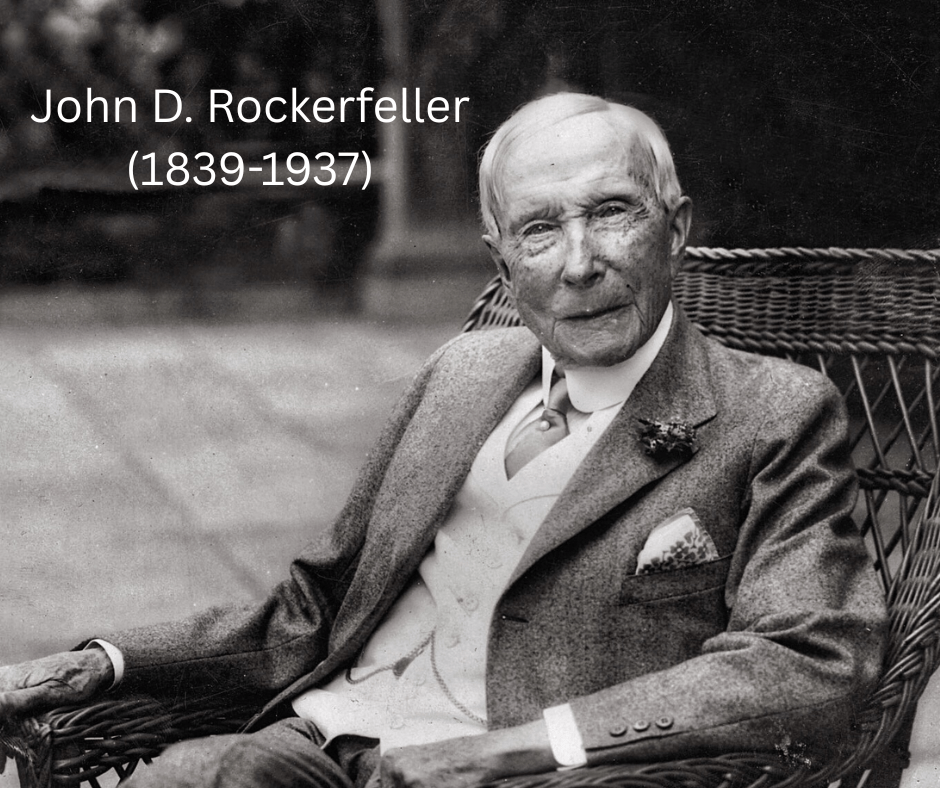
John D. Rockefeller (1839–1937), the founder of Standard Oil, became the world’s first billionaire and one of the most powerful men in modern history. Through monopolistic business practices, he came to control over 90% of the U.S. oil market. But his ambitions didn’t stop at energy. He also recognised that synthetic pharmaceuticals—derived from petrochemical by-products of oil refining—could be turned into a highly profitable industry. By aligning with the medical establishment and funding institutions that promoted these drugs, he helped shift the focus of healthcare away from natural remedies and toward a synthetic, drug-based model that still dominates modern “healthcare” today.
To protect that industry, Rockefeller needed to eliminate competition, namely, traditional, plant-based, and holistic approaches to healing. He began funding medical schools and scientific research¹, but only those that focused on pharmaceutical, allopathic medicine. As pharmaceutical medicine rose to dominance, natural therapies were branded as “unscientific” and dismissed as “quackery,” effectively pushing them out of medical institutions.
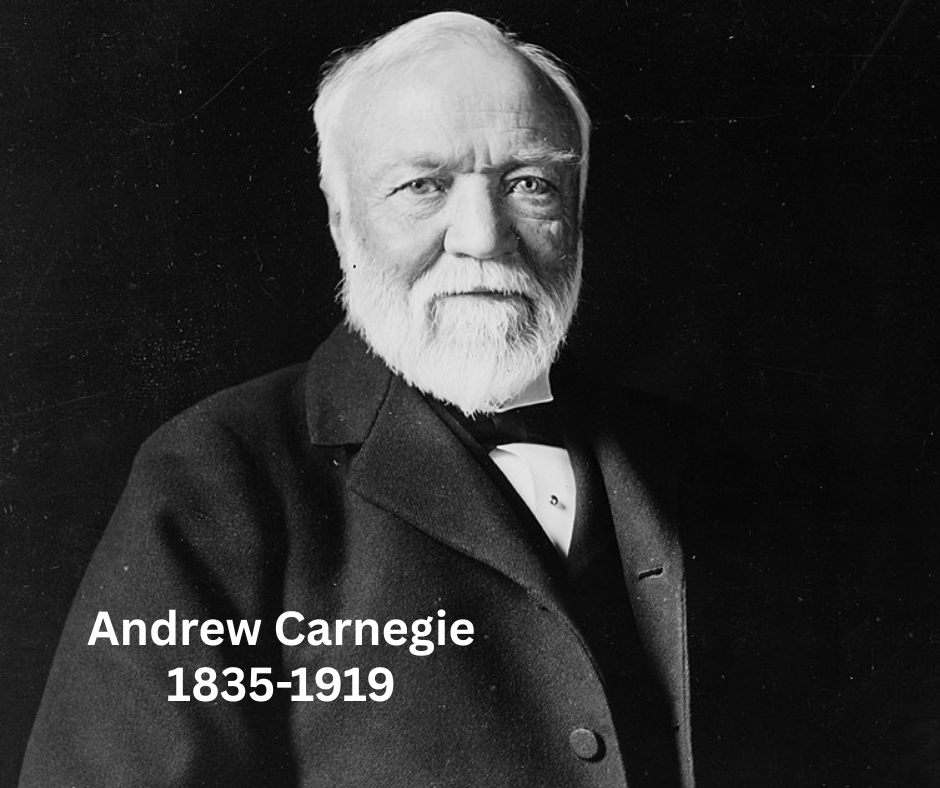
In 1910, Rockefeller and Andrew Carnegie, a steel magnate and one of the wealthiest men of his time, commissioned the Flexner Report², written by Abraham Flexner and published through the Carnegie Foundation. Although it was promoted as a reform to improve education, the real goal was to centralise medical authority and wipe out alternative healing systems. As a result, over half of all medical schools, especially those teaching homeopathy and holistic medicine, were shut down. The remaining institutions received generous funding, but only if they taught drug-based treatment.
This marked the beginning of pharmaceutical dominance in healthcare and the decline of root-cause, terrain-based healing.
Rockefeller also engaged in massive public relations campaigns, funding universities, hospitals, and public health programs, not just to appear charitable, but to shape public opinion and further embed pharmaceutical medicine as the “only legitimate” form of healthcare.³
My Journey: Discovering Terrain Theory Through My Dog Monty
My journey into terrain theory really began during a difficult time with my dog Monty. In his first year, we were constantly back and forth to the vet; he was suffering from persistent skin issues and what they called “allergies.” Out of trust and hope that my vet could help, I agreed to a corticosteroid injection early on, not yet understanding what I know now about how these drugs work. But when Monty’s symptoms persisted and talk turned to stronger interventions like Apoquel or Cytopoint, something in me just couldn’t go along with it.
The idea of suppressing the symptoms and masking them didn’t sit right. I began to question what we were treating; was it the root cause, or just the effect? That gut feeling led me to step away from conventional treatments and start exploring a deeper, more holistic view of health. I looked into many holistic approaches, but was surprised to find that even some of these were still rooted in an allopathic mindset, focused on managing or suppressing symptoms rather than understanding that the body is a self-healing organism. That realisation is what ultimately led me to a different approach. I discovered Nora Lenz’s Rotational MonoFeeding and soon found myself immersed in a whole new world called Natural Hygiene. It completely changed how I cared for Monty. For the first time, I wasn’t trying to suppress his symptoms; I was supporting his body’s natural ability to heal. Everything started to make sense. For those curious, you can learn more about it here: 👉 Rotational MonoFeeding
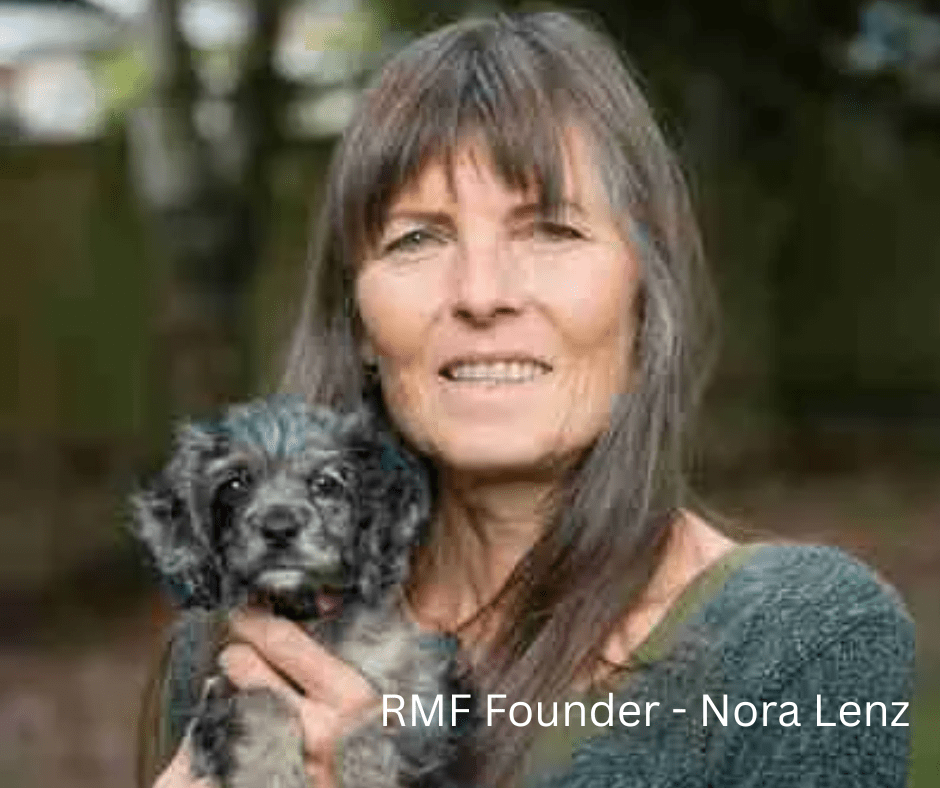
Nora Lenz is the visionary behind the Rotational MonoFeeding method, a dietary approach inspired by what wild dogs naturally eat. She began her journey in the 1980s studying human nutrition, and soon applied those insights to canine health—helping animals recover from chronic disease through fundamentally appropriate diets. As a widely respected educator, Nora has appeared on podcasts like Soul Touched by Dogs, Radical Health, and been interviewed by Dawn Lester, the co-author of the book What Really Makes You Ill? Why Everything You Thought You Knew About Disease Is Wrong. That you can watch here 👉 Nora Lenz interview with Dawn Lester
Nora offers a wealth of education through her website and supportive Facebook groups, where she empowers guardians to step away from dependency on medications, commercial pet food, and conventional veterinary models—encouraging true healing through restorative nutrition.
Nora is also the author of a book that I highly recommend, available on her website as the Rotational MonoFeeding E-Book.
The Role of Emotions and Mental Health in Terrain Theory
Mental health and emotional well-being are crucial aspects of the body’s internal terrain. Stress, trauma, and emotional imbalances can create a “toxic” environment, making the body more vulnerable to disease. In terrain theory, the body’s overall balance, including emotional and mental health, influences its ability to maintain health and resist illness.
When we experience emotional trauma or chronic stress, the body can become acidic, depleted, and unable to cope effectively with toxins. These imbalances can disrupt the Innate healing intelligence. Mental and emotional strain can lower the body’s natural resilience, leaving it susceptible to “infections” or chronic conditions.
By addressing not only the physical but also the emotional and mental aspects of health, terrain theory promotes a truly holistic approach to healing. It recognises the profound mind-body connection, understanding that our thoughts, stress levels, and emotions can profoundly influence our well-being. Supporting the nervous system, the body’s master controller of stress responses and healing processes, is essential to creating an internal environment where true health can flourish.
Germ Theory: The Cornerstone of Modern Medicine, or a Historical Deception?
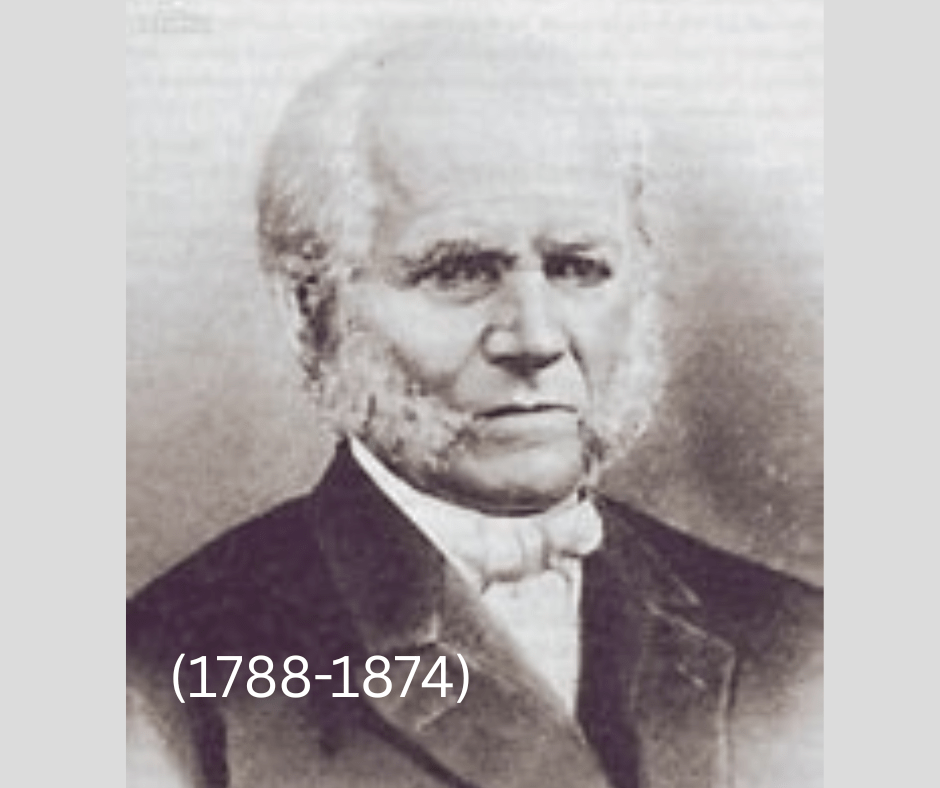
Isaac Jennings (1788–1874): The Pioneer of Natural Healing
Long before germ theory took hold, American physician Isaac Jennings broke with the medical establishment of his day. Disturbed by the harm caused by harsh drugs and treatments, Jennings abandoned medicines altogether and instead promoted what he called the “do-nothing cure.” In practice, this meant trusting the body’s natural healing power through rest, fresh air, clean water, nourishing food, and often periods of fasting (or “abstinence”), as a way of giving the body a chance to heal itself, an idea that would later become central to the Natural Hygiene or Orthopathic movement.
What is Orthopathy?
The word Orthopathy comes from the Greek for “correct suffering” or “true healing.” It’s the idea that disease is not an enemy to be destroyed, but the body’s own effort to restore balance. Instead of fighting symptoms with drugs, orthopathy teaches that health comes from respecting nature’s laws: fresh air, clean water, pure food, sunlight, rest, exercise, and emotional balance.
Jennings found that when his patients stopped taking drugs and simply supported their bodies with the basics of nature, they recovered more quickly and with fewer complications. His approach was radical at the time, but it offered one of the earliest medical expressions of what would later be called terrain theory: the idea that health is maintained — and restored — by creating the right internal and external conditions, not by fighting germs or suppressing symptoms.
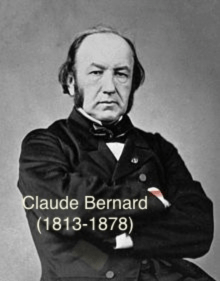
Claude Bernard was a pioneering physiologist who discovered that our organs and cells require a stable internal environment, such as consistent temperature, pH, and blood sugar levels, to function properly. This concept, known as the milieu intérieur, laid the foundation for what we now call homeostasis.
Long before Pasteur popularised germ theory, Bernard emphasised the critical importance of the body’s internal balance for health. He proposed that disease arises not simply from external microbes, but from disruptions within this internal terrain. This groundbreaking idea would later inspire alternative views on illness, contrasting with Pasteur’s focus on pathogens as the primary cause of disease.
Notably, although Louis Pasteur is widely recognised as the father of germ theory, some accounts suggest that he later acknowledged the importance of the body’s internal environment, or terrain. He is reportedly said to have admitted on his deathbed: ‘Bernard was right, the microbe is nothing, the terrain is everything.’ While this anecdote remains historically unverified, it reinforces the idea that disease is not simply about external germs, but about the condition of the host’s terrain and its capacity for balance and healing.
“The germ is nothing; the terrain is everything.”
— Attributed to Claude Bernard
A Shift in Perspective: Natural Hygiene and Terrain-Based Healing
As germ theory took root in mainstream medicine, a growing number of pioneering doctors began to challenge it. They offered a radically different view of disease, one based on internal imbalance, detoxification, and the body’s natural healing wisdom…
Challenging Germ Theory: The Rise of Natural Hygiene
Dr. John Tilden – The Roots of Toxemia Theory
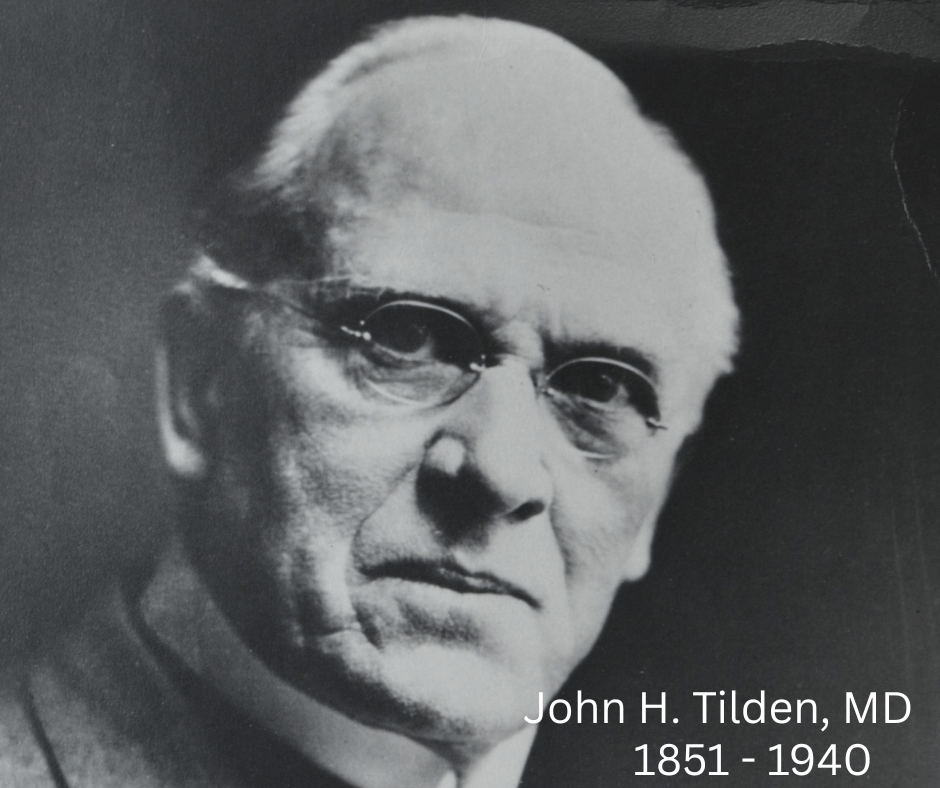
Dr. John Tilden was one of the earliest medical voices to challenge germ theory. In his seminal book Toxemia Explained (1926), he argued that toxemia, not germs, is the real cause of disease. According to Tilden, when the body accumulates more toxins than it can eliminate — due to poor diet, stress, and unhealthy living — it creates an internal environment where illness can take hold.
“There is only one disease — toxemia.”
“Germs as a cause of disease is a dying fallacy.” — Dr. John H. Tilden, MD
Tilden believed the key to health was removing the cause, not suppressing symptoms with drugs or blaming external germs. His work laid the foundation for what would become known as Natural Hygiene.
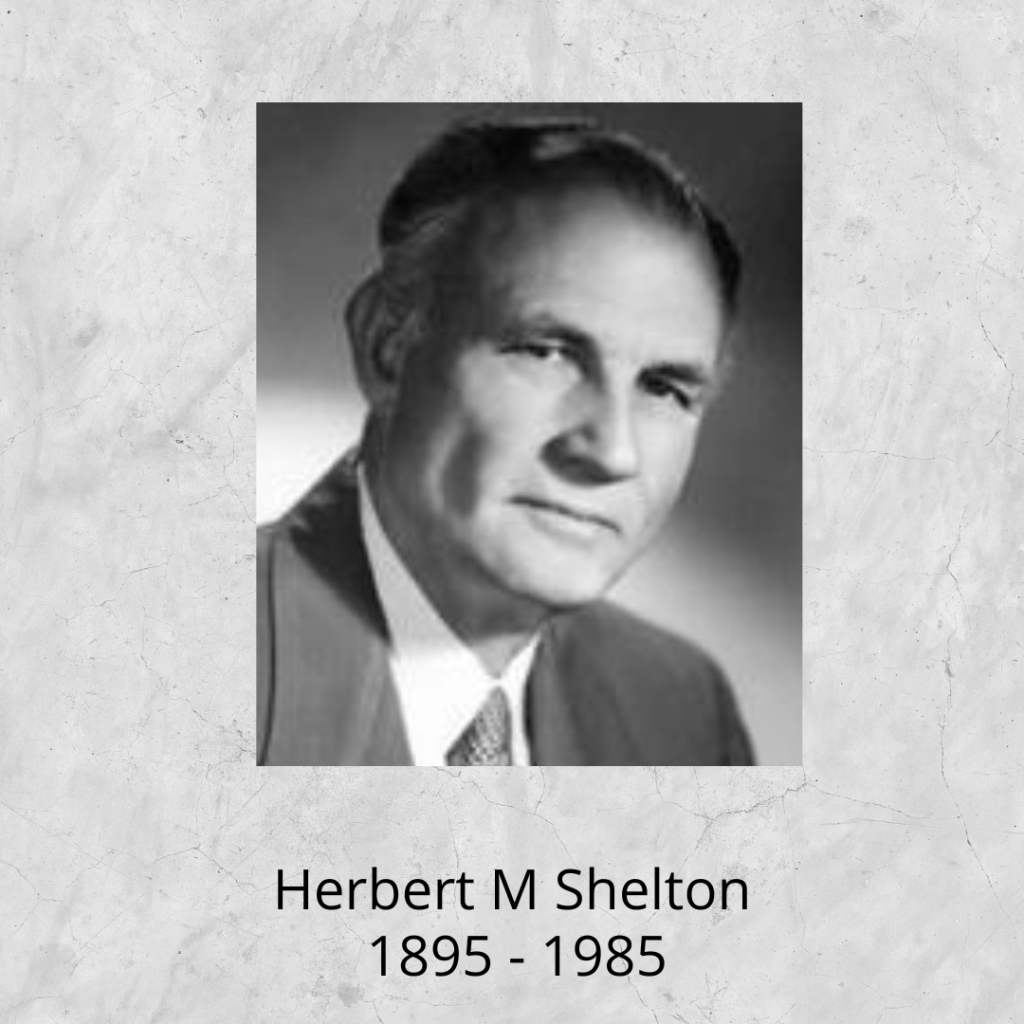
Dr. Herbert Shelton – The Natural Hygiene Movement
Dr. Herbert Shelton was perhaps the most influential voice in the Natural Hygiene movement, taking Tilden’s ideas to new heights. He defined Natural Hygiene as a science of healthful living, not a system of treating disease.
Shelton emphasised:
- Fasting as a healing method.
- Raw plant-based diets.
- Clean air, sunshine, rest, and emotional well-being.
- Avoiding all drugs and unnatural substances.
Shelton rejected germ theory and insisted that the body, when properly cared for, could heal itself from nearly any illness. His prolific writings, including The Hygienic System, inspired generations of health seekers.
“Health is not something you get from medicine, but something you earn through right living.”
– Dr Herbert M. Shelton
He also ran fasting clinics and mentored future leaders like T.C Fry.
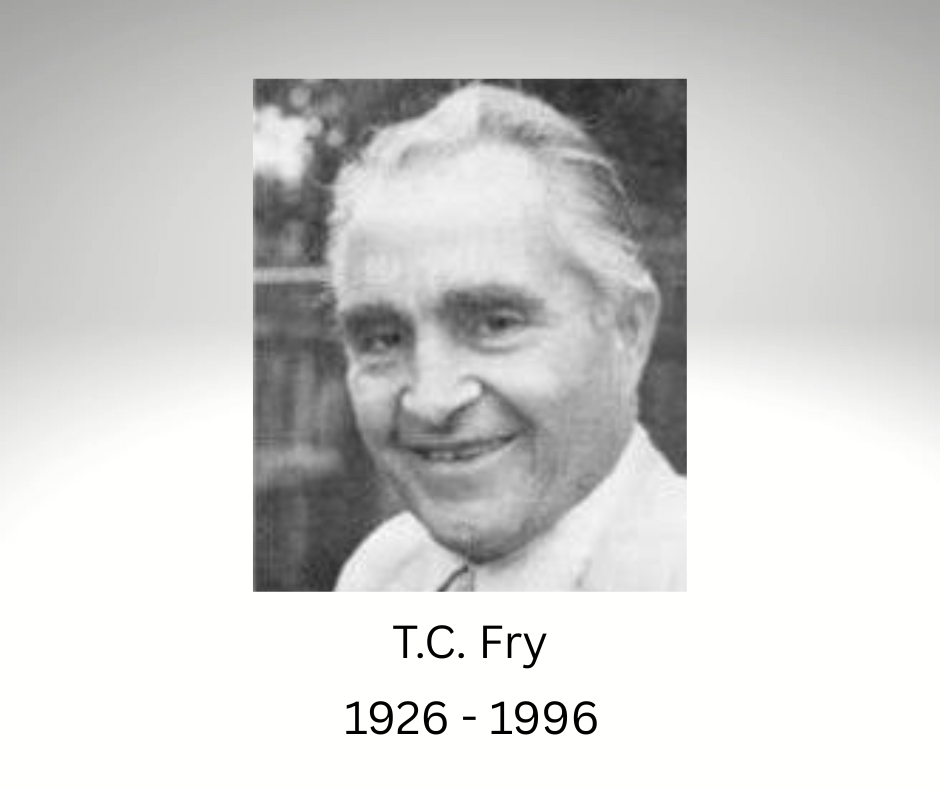
T.C Fry – The Reformer and Teacher
T.C Fry was a passionate Natural Hygiene advocate and a former businessman who turned to health reform after facing his own health crisis. Building on Shelton and Tilden, he became a dynamic teacher and outspoken critic of mainstream medicine.
He founded the Life Science Health System, taught thousands of students, and trained well-known figures like Dr. Douglas Graham. Fry insisted that:
- Germs are not the cause of disease.
- Health is the natural state of the body, maintained through correct living.
- Fasting, raw foods, and detoxification are essential for healing.
His plain-spoken style and uncompromising stance earned him a loyal following and lasting influence.
“Germs do not cause disease any more than flies cause garbage.” – T.C Fry
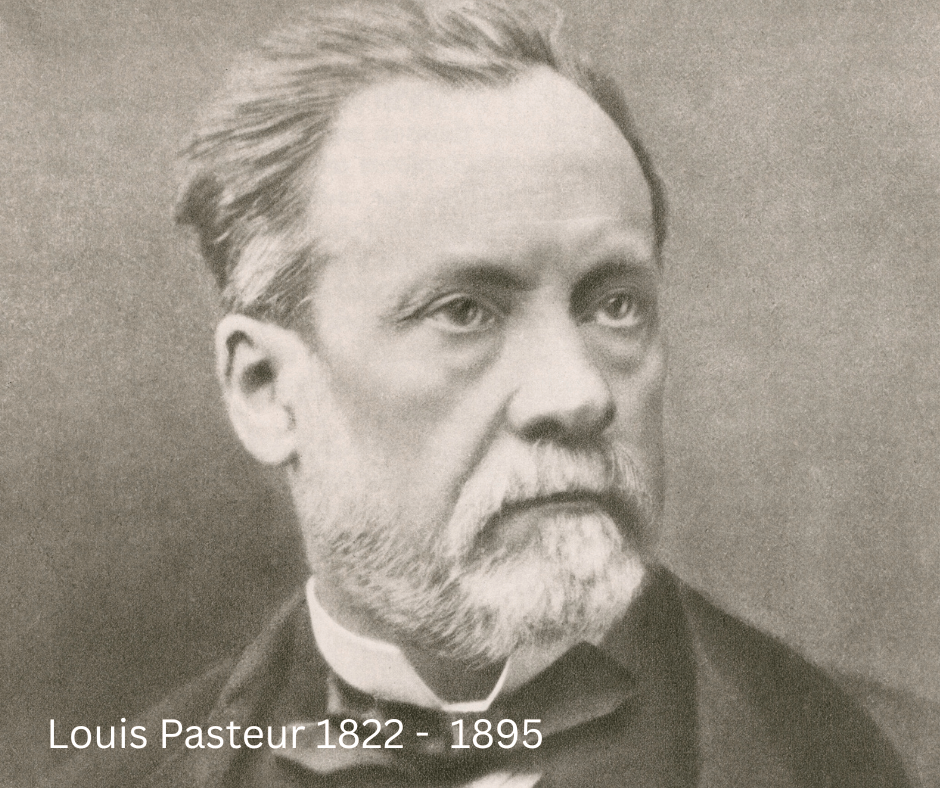
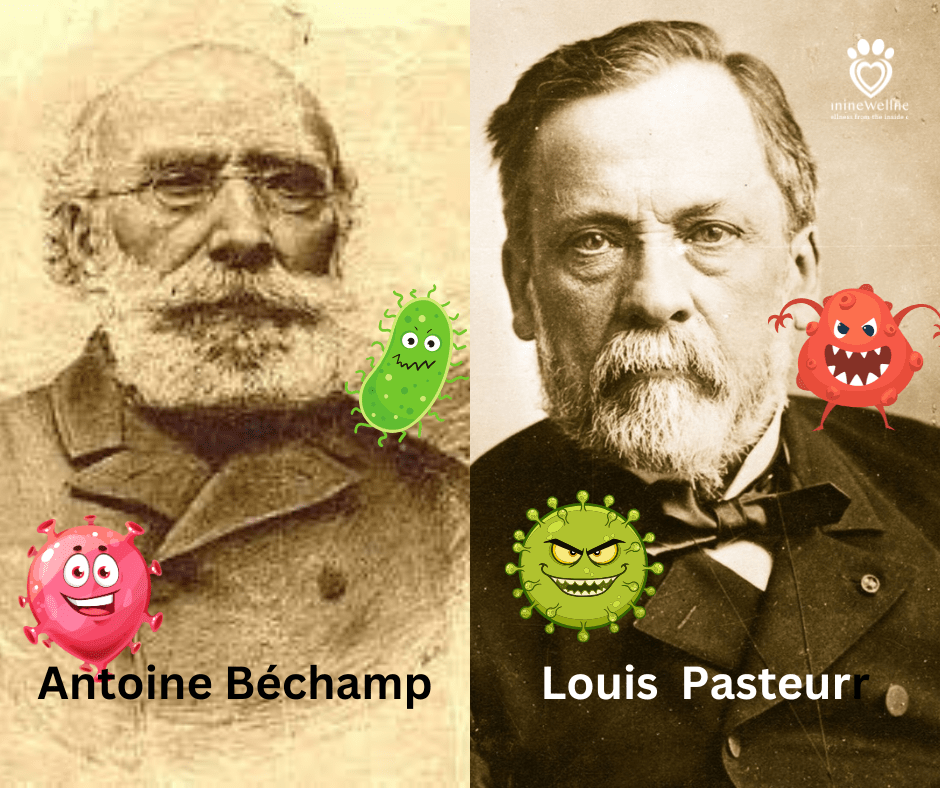
Louis Pasteur, born on December 27, 1822, in Dole, France, is often credited as the “father of microbiology”. He introduced the Germ Theory of Disease, which claims that microscopic organisms invade the body, multiply, and cause specific diseases. This theory became the bedrock of modern medicine and the pharmaceutical industry
Pasteur also introduced pasteurisation, a process named after him, developed initially to kill harmful microbes in milk, wine, and beer. While effective at reducing spoilage and some pathogens, pasteurisation doesn’t eliminate all harmful microbes and also destroys valuable enzymes and nutrients, which can make food less nourishing. Despite its widespread use and popularity, the whole story behind Pasteur and his work is often overlooked
A plagiarist is someone who uses another person’s words or ideas as if they were his own. An impostor is someone who attempts to deceive. Pasteur has been accused of both.
He allegedly appropriated the work of Antoine Béchamp, a brilliant French scientist who held a vastly different view of disease⁴. Pasteur’s personal lab notes were kept secret until released in 1975 after the death of his grandson showed that he manipulated findings and presented incomplete data to support his germ theory.
Louis Pasteur popularised the idea that microscopic organisms — “pathogens” — were the root cause of disease. However, despite his prominence, Pasteur failed to provide solid scientific evidence that a so-called pathogen could be transferred from one organism to another and cause disease. Much of his work lacked proper controls and reproducibility. His rabies experiments, for example, are often cited as pivotal, yet they were plagued by inconsistencies, unclear methodologies, and an absence of transparent, verifiable data. Pasteur never isolated a rabies virus in pure form, nor did he meet any causative standard like Koch’s Postulates. Pasteur did not provide evidence to suggest that a pathogen, or any virus for that matter, could be transmitted from one entity to another. To this day, no definitive experiment has conclusively demonstrated this either.
As researcher Mike Stone ⁵ and Dr. Sam Bailey ⁶, and others have pointed out, Pasteur’s conclusions were often speculative and driven by ambition rather than rigorous science. This raised serious questions about the foundations of germ theory that persist today.
Mike Stone: Investigative Researcher and Critic of Germ Theory
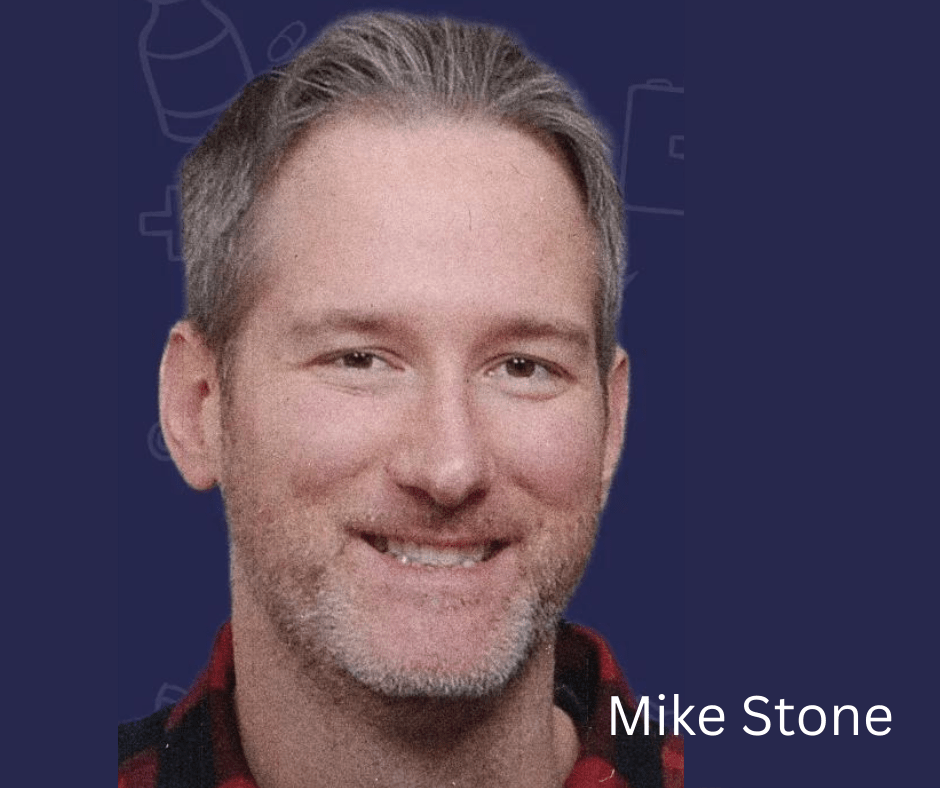
Mike Stone is an independent researcher and writer known for his critical examination of the foundations of germ theory and virology. His work focuses on scrutinising the historical and scientific underpinnings of widely accepted medical paradigms, particularly those established by figures like Louis Pasteur.
Stone’s investigations delve into the methodologies and ethical considerations of early experiments in microbiology. He has published detailed critiques, such as “Louis Pasteur’s Unethical Rabies Fraud,” where he analyses Pasteur’s rabies experiments, highlighting concerns about their scientific validity and ethical implications. 👉 ViroLIEgy
Through his platform, ViroLIEgy, Stone aims to challenge prevailing narratives in medical science by presenting alternative perspectives on disease causation and the role of microbes. His work encourages a reevaluation of established scientific doctrines and promotes a more critical approach to understanding health and disease.👉 mikestone.substack.com+1
Drs. Sam & Mark Bailey: Independent Voices in Medical Researchers
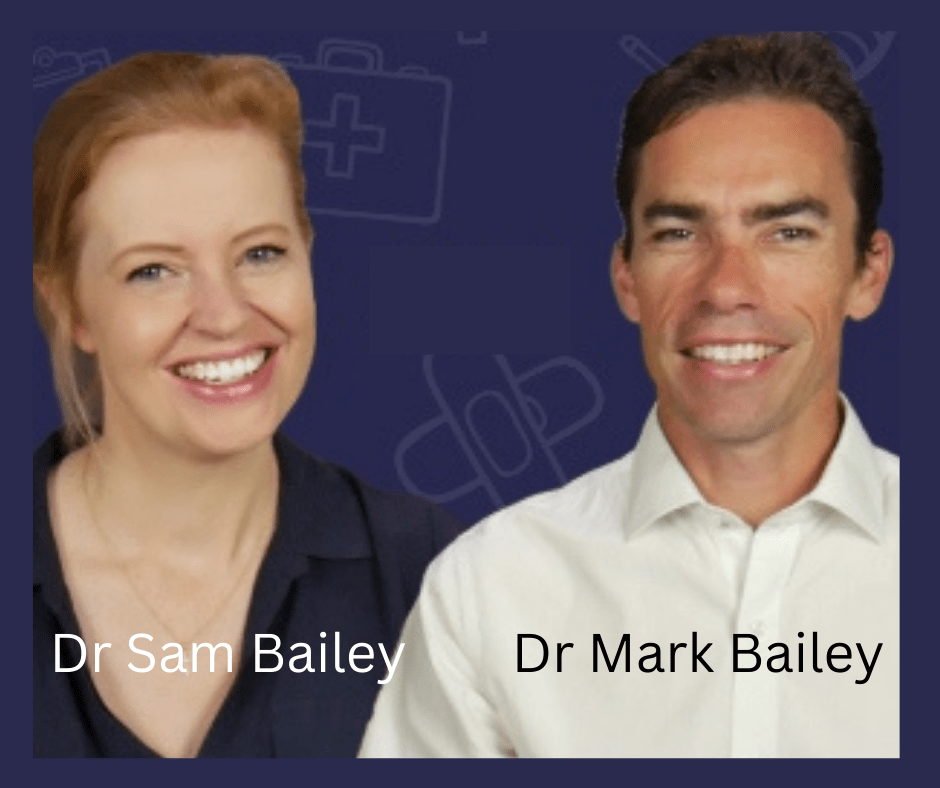
Drs. Sam and Mark Bailey: Advocates for Terrain Theory and Independent Health Education
Drs. Sam and Mark Bailey, both former medical doctors from New Zealand, transitioned from conventional medical practice to focus on independent research and education. In 2021, they made the decision to resign from their medical licenses to explore alternative health perspectives, particularly terrain theory, which emphasizes the body’s internal environment over the presence of pathogens.
Their work critically examines how assumptions about pathogens have shaped mainstream medicine and advocates for a return to natural healing principles. They share their findings and insights through various online platforms, including their website, YouTube channel, and the Reality of Illness website, where they delve into topics challenging conventional medical narratives.
Alongside modern researchers like Mike Stone and Drs. Sam and Mark Bailey, Christine Massey is challenging accepted narratives—this time through rigorous document requests to health authorities, highlighting gaps in publicly available evidence about virus isolation
You can follow their work here:
- Dr. Sam Bailey on YouTube
- Dr. Sam Bailey’s Website
- The Reality of Illness Website https://realityofillness.com/
Christine Massey: Unveiling the Silence Behind Virus Isolation Claims
Christine Massey is an independent researcher and former biostatistician from Ontario, Canada, renowned for her rigorous application of Freedom of Information (FOI) requests to challenge health authorities worldwide regarding the existence of purified virus isolates.
Since 2020, Massey has systematically contacted over 200 institutions, including the Centres for Disease Control and Prevention (CDC), Health Canada, the World Health Organisation (WHO), and numerous universities and public health agencies seeking records of studies that describe the isolation and purification of SARS-CoV-2 directly from diseased human samples. Her requests specifically exclude studies involving cell cultures or PCR tests, focusing solely on direct isolation from patient specimens.
Despite her persistent inquiries, the overwhelming majority of these institutions have failed to provide any records meeting her criteria. This lack of response raises significant questions about the foundational evidence supporting the existence of SARS-CoV-2 and, by extension, the basis for widespread public health measures and interventions.
Massey’s findings have been compiled into detailed reports and shared publicly, highlighting the absence of documented proof for the isolation of the virus. Her work has sparked discussions and debates within the scientific community and beyond, challenging prevailing narratives and advocating for greater transparency and accountability in public health research.
For those interested in exploring her research further, Christine Massey maintains an active presence on several platforms:
- Christine Massey FOIs — “Germ FOI Newsletter” on Substack
- https://realityofillness.com/
- Christine Massey on Twitter
Through these channels, she continues to share updates, analyses, and insights into her ongoing investigations into virus isolation and related topics.
Christine’s work connects to a much older debate—one that stretches back to the 19th century. While she asks today’s institutions for proof of virus isolation, past figures like Louis Pasteur and Robert Koch attempted to establish experimental proof for germs as causes of disease.
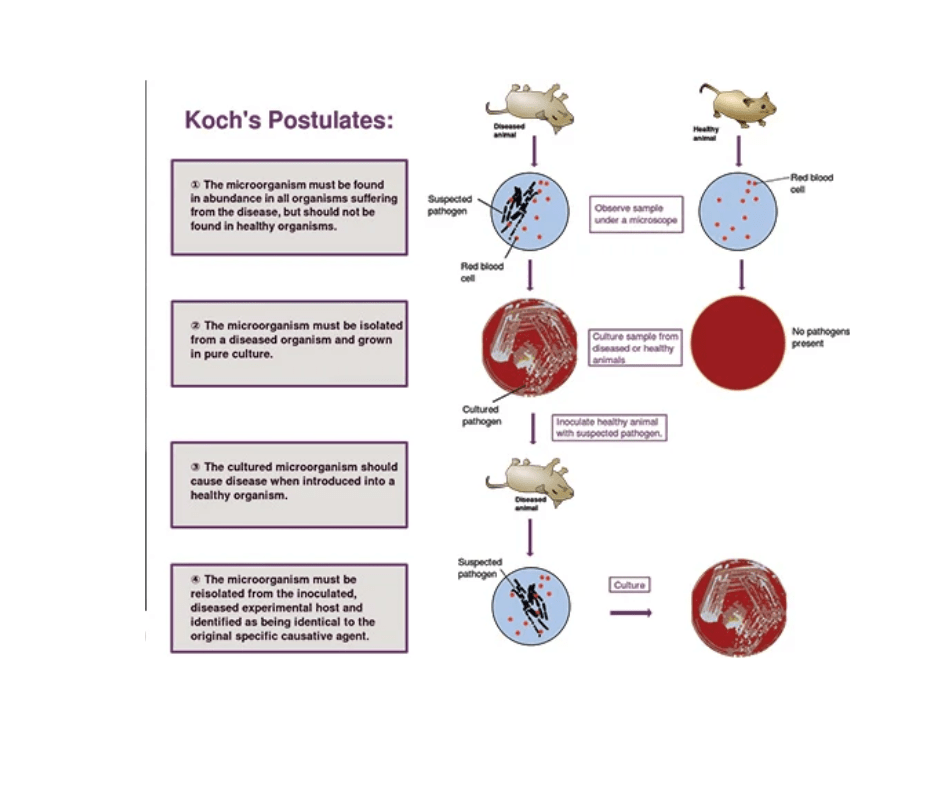
Louis Pasteur’s experiments lacked reproducibility and solid proof of pathogenic transmission. In contrast, German physician and microbiologist Robert Koch, considered a pioneer of bacteriology, developed a set of criteria in the late 1800s—known as Koch’s Postulates—to establish a causal link between a microorganism and a disease. However, even Koch’s postulates have never been fully satisfied for viruses, including rabies, which Pasteur claimed to have discovered a vaccine for.
Robert Koch is often credited with “proving” that a specific bacterium, Mycobacterium tuberculosis, causes tuberculosis. He even won the Nobel Prize in 1905 for this work. But here’s the part that’s rarely discussed: he never actually proved causation, and to this day, contagion as a universal mechanism of disease transmission has not been conclusively demonstrated.
You can access the full text of the book “The Contagion Myth” through the Internet Archive at the provided link:
👉Book by Dr. Tom Cowan: The Contagion Myth
Lauren has been practising Natural Hygiene for many years and restored her own health by living according to its principles. After her recovery, she began helping shelter dogs with chronic illnesses, bringing them back to full health using the same approach. She is also the founder of the Terrain Model Refutes Germ Theory Facebook group and runs Terrain Talk on Discord. 👉Terrain Model Refutes Germ Theory Facebook Group
In her breakdown of The Life Science Course by T.C. Fry, Lauren Whiteman Ferris highlights why Koch’s postulates, often presented as proof that specific microbes cause specific diseases, don’t hold up under modern scrutiny. Koch believed that to prove a microbe causes disease, it had to be found in every case, be absent in healthy individuals, survive outside the body, and cause illness again when reintroduced into a healthy host.
But real-world evidence has shown these conditions are rarely met. For instance, the diphtheria and tuberculosis bacteria are often absent in diagnosed cases, and just as often found in people who show no symptoms at all. Experiments even showed that volunteers who consumed large amounts of “pathogenic” bacteria — including typhoid and tuberculosis — didn’t get sick, unless their internal health was already compromised.
This supports the terrain theory view: disease arises not because a microbe invades but because the body’s internal environment becomes imbalanced or toxic. As T.C Fry emphasised, the condition of the host, not the presence of a germ, determines whether disease develops.
For more on this, visit Laurens’ website: 👉 Koch’s Postulates Explained
Terrain Theory: Health Comes from Within
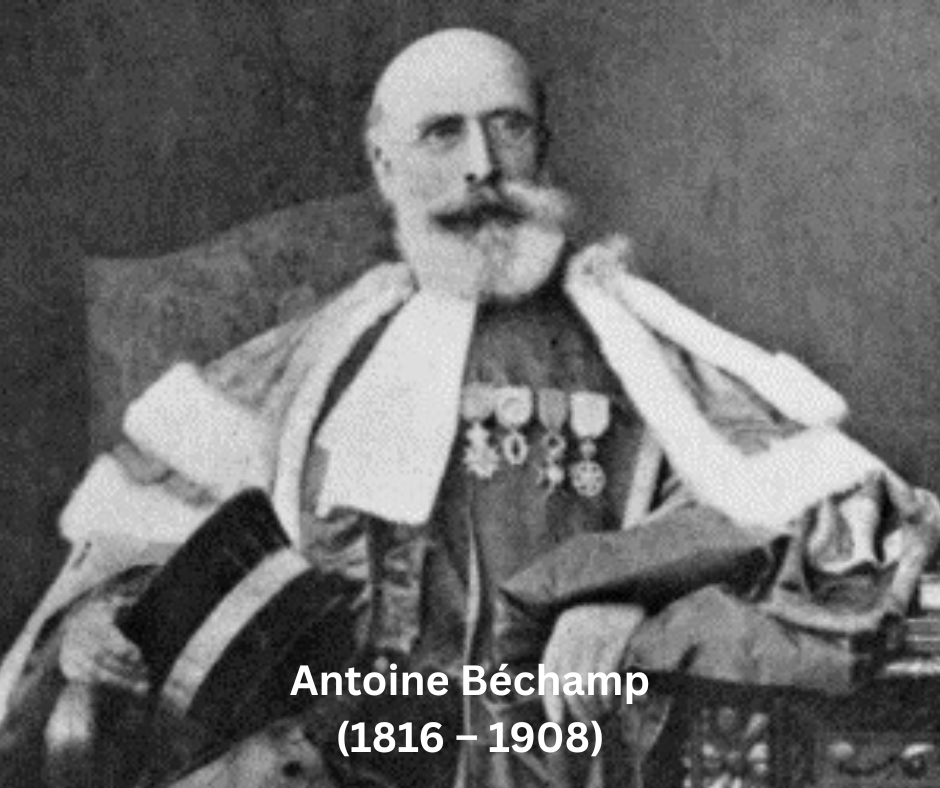
Antoine Béchamp & Terrain Theory: The Overlooked Visionary
Antoine Béchamp (1816–1908) was a visionary French scientist—Master of Pharmacy, Doctor of Science, and Doctor of Medicine—who served as Professor of Medical Chemistry and Dean of the Faculty of Medicine at Lille. He discovered microzymas, tiny living entities present in all organisms, which he believed were fundamental to life itself. In a healthy body, these microzymas maintain cellular function and regeneration. But when the internal terrain becomes toxic, acidic, or stressed, they can transform into bacteria, viruses, yeast, or fungi to assist in breaking down and recycling damaged tissue.
Unlike Louis Pasteur, who promoted the idea that germs invade from the outside and cause disease, Béchamp emphasised that disease arises from within, when the body’s internal environment becomes imbalanced. This terrain-based perspective called for holistic approaches: nourishing the body, reducing toxicity, and supporting natural resilience.
Despite the elegance of his model, Béchamp’s ideas were pushed aside. Governments and emerging public health institutions in the late 19th century found germ theory more useful for centralised control, allowing for top-down sanitation reforms, pharmaceutical interventions, and vaccination campaigns. Terrain theory, by contrast, required a decentralised focus on nutrition, environment, and lifestyle, which did not align with industrial or political priorities. Notably, prominent scientists like Rudolf Virchow and Max von Pettenkofer also questioned the germ theory and supported internal or environmental models of disease.
Béchamp’s work, though suppressed in his time, continues to inspire those who challenge the mainstream model and explore deeper understandings of health and disease. His legacy reminds us that the terrain—our internal environment—may matter far more than the microbes themselves.
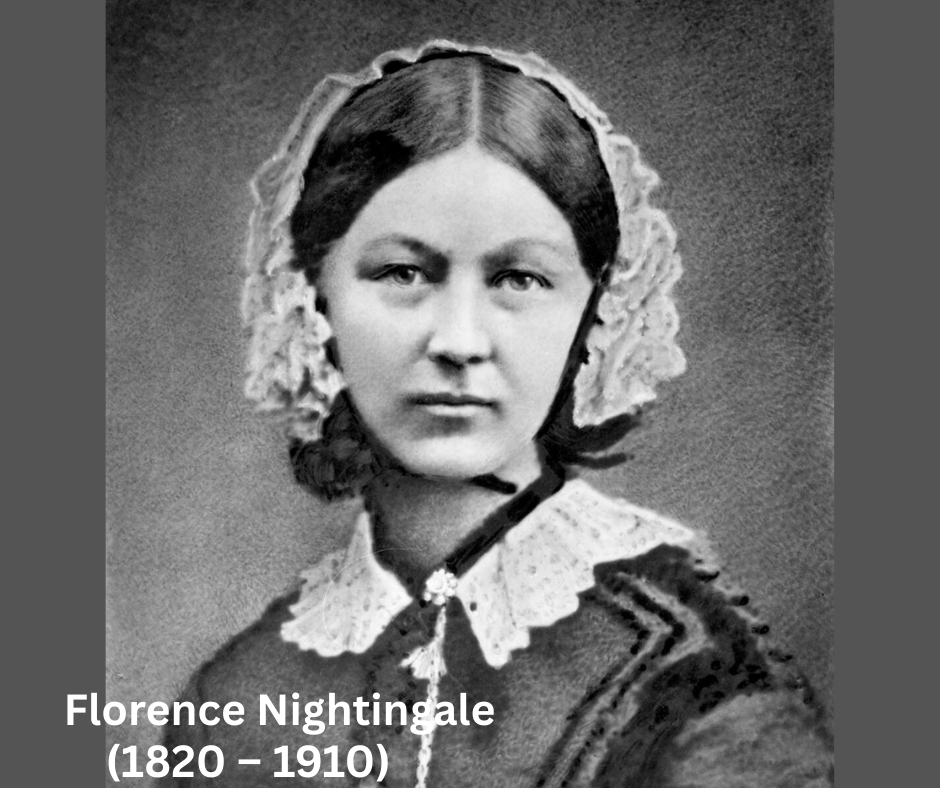
Even Florence Nightingale (1820 – 1910), widely known as the founder of modern nursing, stressed that health isn’t just about avoiding germs; it’s about creating the right conditions for the body to thrive. Around the same time that Louis Pasteur and Robert Koch were isolating microbes in the lab, Nightingale was observing outcomes in hospitals and emphasising something equally revolutionary: the environment in which patients lived and healed. She famously said,
“Put patients in the best conditions for nature to act upon them,” – Florence Nightingale
highlighting the importance of clean air, proper ventilation, nutrition, and hygiene. During the Crimean War, she meticulously documented how improving sanitation and living conditions dramatically lowered death rates, long before germ theory dominated medicine. Nightingale’s insights remind us that disease struggles in a well-maintained environment, showing that the “terrain” matters far more than the microbes themselves.
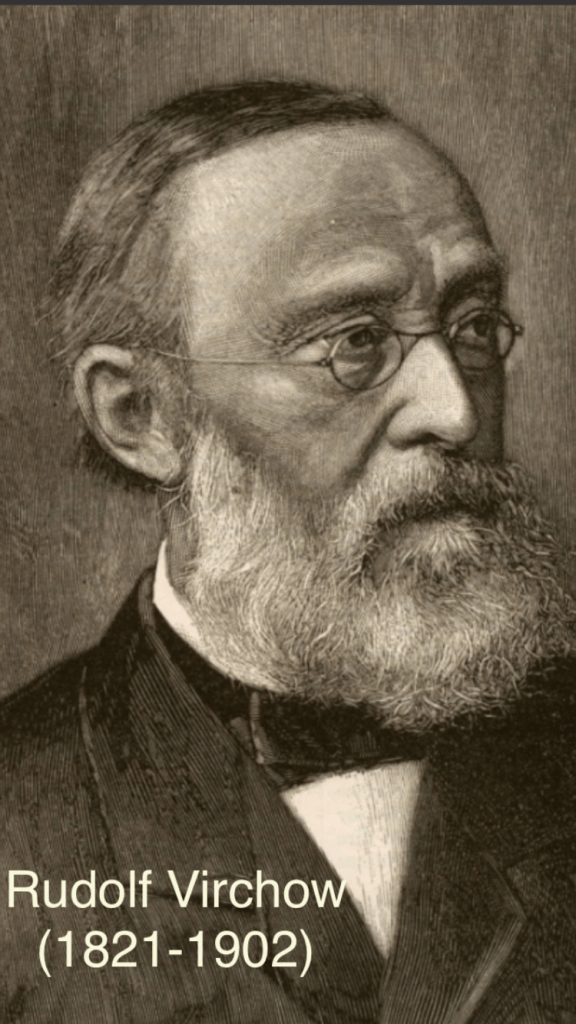
Rudolf Virchow (1821–1902) Virchow was a German pathologist and biologist who is often called the “father of modern pathology.” While he is best known for his work on cell theory and the idea that disease is caused by disturbances in cells, he was an advocate for the idea that the body’s environment (or “terrain”) plays a critical role in the development of disease. Virchow also emphasised that social and environmental factors contribute significantly to health, aligning more with the terrain theory than germ theory.
“If I could live my life over again, I would devote it to proving that germs seek their natural habitat—diseased tissue—rather than being the cause of diseased tissue.”
— Attributed to Rudolf Virchow
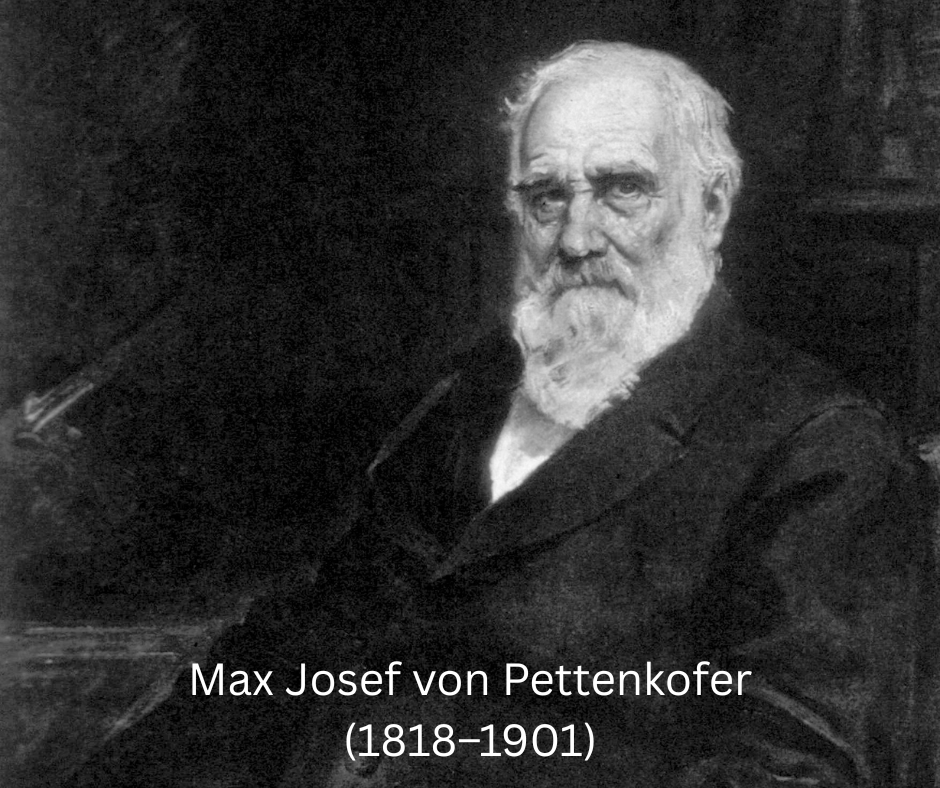
Max Josef von Pettenkofer (1818–1901) was a Bavarian chemist, hygienist, and a founding figure in public health. Known as the first Professor of Hygiene in Germany. He pioneered practical sanitation reforms, including clean water, improved sewers, and widespread hygiene education, in Munich.
Pettenkofer rejected the idea that germs alone caused disease. Even after Robert Koch identified Vibrio cholerae as the bacterium associated with cholera, Pettenkofer insisted that microbial presence was not sufficient to cause illness. He proposed a tripartite model of disease: a microbe (“X”), environmental conditions (“Y”), and individual susceptibility (“Z”). This approach, sometimes called “contingent contagionism” aligned closely with Antoine Béchamp’s terrain theory.
To prove his point, Pettenkofer drank a vial of supposed cholera bacteria before witnesses, and only suffered mild digestive upset. This showed he understood that disease depends on the condition of the body and environment, not just the presence of “germs”. His critics simply misunderstood or ignored this crucial fact.
This article from Ludwig Maximilian University (LMU) Munich provides a concise and reliable account of Pettenkofer’s self-experiment:
Source: LMU Munich – “The Father of Hygiene” 👉 LMU München
Although modern interpretations of Pettenkofer’s work often downplay or reinterpret his challenge to germ theory, his actions speak clearly to the terrain perspective: disease does not arise merely from exposure to microbes, but from a weakened or imbalanced terrain.
While Pasteur and Koch received widespread institutional support and became public health icons, Pettenkofer’s more holistic view was marginalised. Critics dismissed his focus on soil and sanitation after the Hamburg cholera outbreak in 1892. However, his work laid the groundwork for environmental medicine and continues to influence holistic health today. He worked during the same era as Rudolf Virchow and Antoine Béchamp, all of whom emphasised the importance of internal terrain and environmental conditions over isolated “pathogens” in shaping human health.
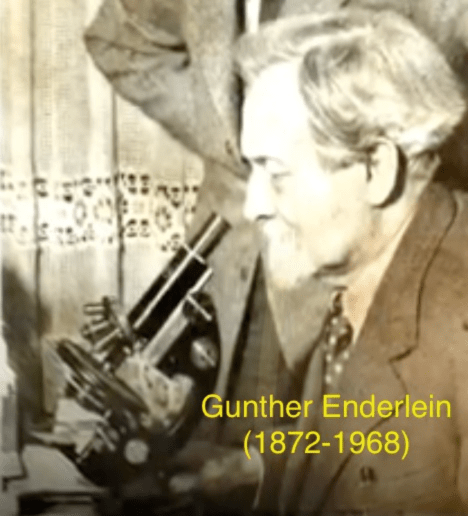
Gunther Enderlein (born July 7, 1872) was a German zoologist and bacteriologist active in the early 20th century. He identified the existence of a tiny, indestructible microbe called the protit — similar to what Antoine Béchamp referred to as microzymas. Enderlein believed that these microbes lived symbiotically in healthy blood, but under certain conditions — such as a disturbed internal environment — they could transform into pathogenic forms and contribute to disease.
Microbial Life Cycle:
He discovered that microbes could morph through various stages from protit to virus to bacteria to fungus depending on the body’s internal conditions (especially the pH and terrain of the blood). This transformation is called pleomorphism.
Pleo-morphism means many forms; many or more (pleo-), forms or bodies (morph-), capable of changing from one type of organism to another.
Disease as a Rebalancing Process:
According to Enderlein, disease wasn’t caused by invading germs, but by the body’s own internal imbalance, which caused these harmless protits to morph into harmful “pathogens”. He saw illness as the body’s attempt to restore harmony.
Dark Field Microscopy:
He used a special type of microscope (dark field) to observe living blood, claiming he could see these pleomorphic changes happening in real time.
“Disease arises not from external invasion but from the transformation of these protits into pathogenic forms when the internal environment becomes disturbed.”
— Gunther Enderlein
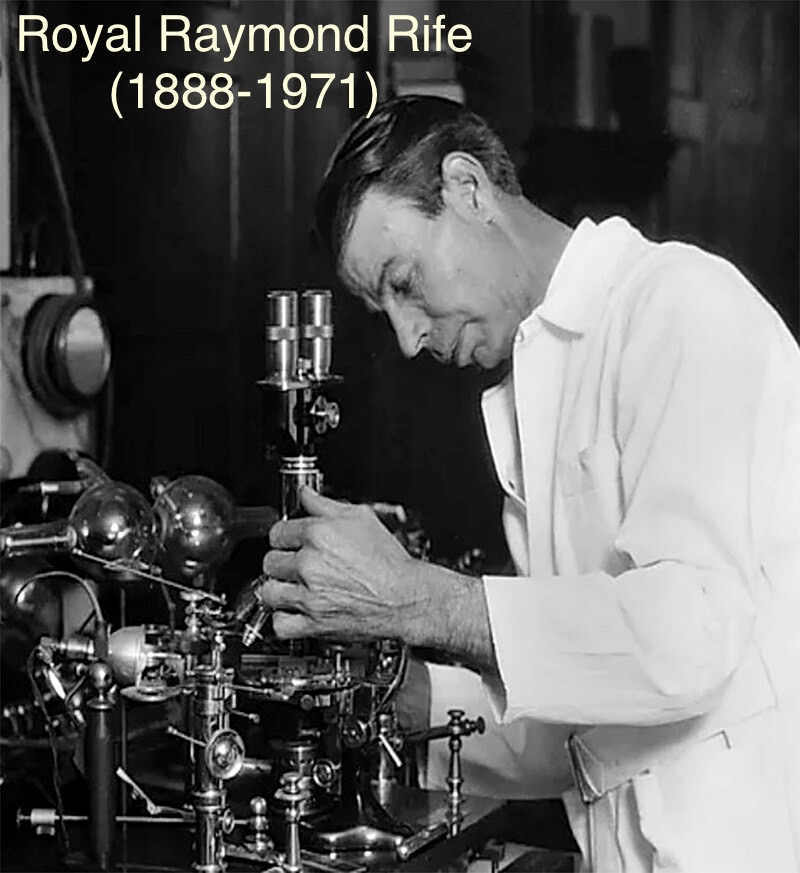
Royal Raymond Rife was a brilliant optical engineer and inventor who, in the late 1920s, built what became known as the Universal Microscope.
In the 1930s, Rife used this groundbreaking technology to observe pleomorphic microbes — organisms that could change form depending on their environment. He believed these shape-shifting microbes were directly linked to disease and that their transformations were influenced by the host’s internal terrain, echoing the earlier theories of Antoine Béchamp and later insights from Gaston Naessens.
Taking his research further, Rife discovered that exposing these microbes to specific radio frequencies caused them to disintegrate, a method he termed resonant frequency therapy. After years of meticulous experimentation, he developed the Rife Frequency Instrument, designed to emit precise frequencies that could target and eliminate various microbes without harming surrounding tissue.
In 1934, a California-based medical committee reportedly treated 16 terminal cancer patients using Rife’s frequency device. Fourteen recovered within 70 days, and the remaining two were said to heal completely shortly after, all through brief, non-invasive sessions.
According to Barry Lynes in The Cancer Cure That Worked⁷, physicians at the time witnessed and documented this remarkable clinical success.
However, no official peer-reviewed medical records or patient files have ever been made publicly available to verify these claims. Some suggest this absence of documentation may itself be a consequence of the intense suppression Rife faced. While mainstream medicine has dismissed these claims as anecdotal, many believe the lack of transparency and investigation into his findings points to a deliberate effort to bury promising alternative approaches to disease.
Instead of receiving acclaim, Rife’s success was swiftly suppressed. His laboratory was shut down, records and equipment disappeared, and his professional reputation was quietly dismantled. Some even speculate that his death, allegedly following a fall during a walk, may not have been accidental. In the eyes of many, Rife’s true “crime” was challenging a profit-driven medical system by offering a path to healing that didn’t rely on drugs or invasive procedures.
“The solution to disease is not in suppressing symptoms, but in identifying and eliminating the cause.”
— Royal Raymond Rife
Today, Rife’s contributions remain a powerful chapter in the case for terrain theory, pleomorphism, and vibrational healing. His work paralleled that of another overlooked pioneer:
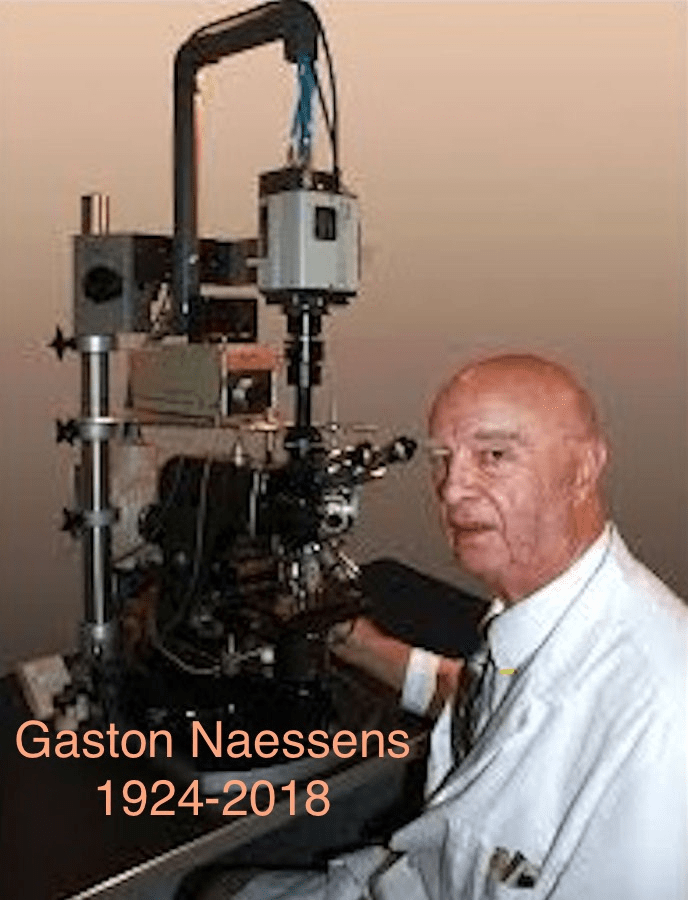
Gaston Naessens and the Somatid Cycle of Life
Gaston Naessens (born March 16, 1924) was a French biologist who, in the 1960s, developed groundbreaking theories about the role of microscopic particles he called somatids⁸ in the life cycles of cells. These “dots of life” are even smaller than bacteria or viruses and are present in all living organisms – including plants.
Under normal, healthy conditions, somatids remain stable and harmless, quietly existing in the background. But when the body becomes toxic, stressed or out of balance, these particles begin to transform – a process known as pleomorphism, which we touched on earlier. In response to internal disharmony, somatids can shift into more complex forms such as bacteria, viruses, or even fungi. This transformation isn’t an invasion – it’s a biological adaptation.
Naessens’ work suggests that these microbes don’t cause disease but respond to it, acting as nature’s cleanup crew to break down and recycle damaged tissue.
We see this same principle echoed in nature. For example, when a tree becomes diseased or damaged, fungi begin to appear – not to harm it, but to help decompose what’s no longer viable. The same goes for fruit: if one apple begins to rot, mould may form on it – but not on the apples next to it, even if they’re touching. The mould only grows where the internal conditions allow. The terrain of the healthy apples doesn’t support decay.
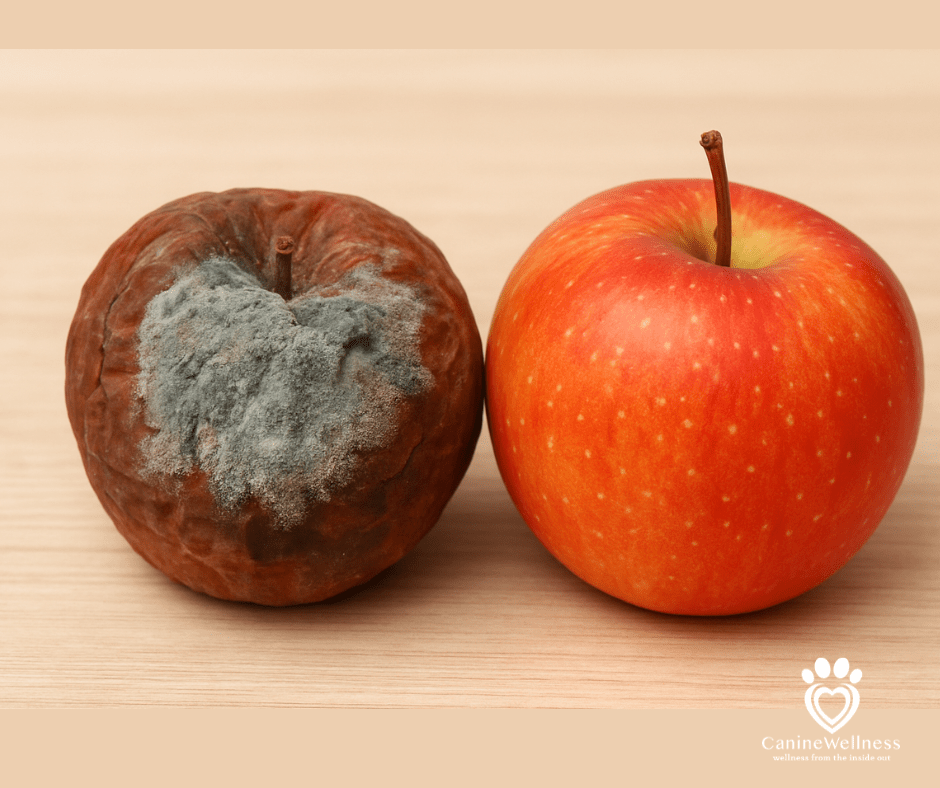
This illustrates the essence of terrain theory: the internal environment — not external germs — determines health or illness. True health is about cultivating a strong, balanced terrain where “pathogenic” forms have no reason or ability to thrive.
If the body remains chronically imbalanced — due to poor nutrition, toxicity, emotional stress, or environmental pollutants — somatids can progress further into more aggressive forms, including thread-like structures and ultimately fungi like Candida albicans. This transformation mirrors the natural breakdown that occurs after death, not as an act of invasion but as part of life’s recycling process.
“The somatid is the smallest living unit; it is the precursor of all life forms.”
— Gaston Naessens
Whether we call them somatids, protits, or microzymas, these tiny particles are part of nature’s intelligent design. They don’t emerge to destroy us; they respond to the terrain, aiming to restore balance where it’s been lost.
See the image below for a visual of the somatid cycle, how these tiny life forms change depending on the body’s internal environment.
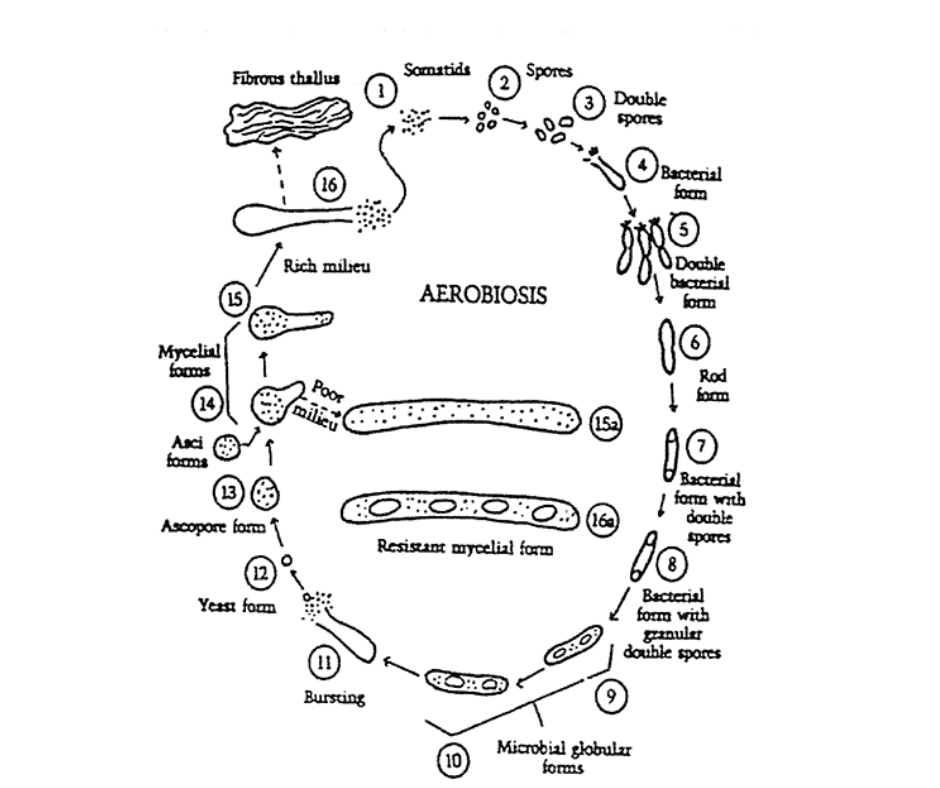
These early microbiologists and modern researchers alike observed that these particles change form depending on the health of the host environment. The healthier the body’s terrain, the less likely it is that disease-causing forms will appear.
These microbes aren’t the enemy. They’re nature’s cleanup crew responding to the body’s internal conditions, not attacking it from the outside.
While somatids, protits, and microzymas offer one lens into the body’s adaptive intelligence, another fascinating piece of the puzzle has emerged in recent years through modern cellular biology, the discovery and deeper exploration of exosomes.
Exosomes: Nature’s Messengers, Not Invaders
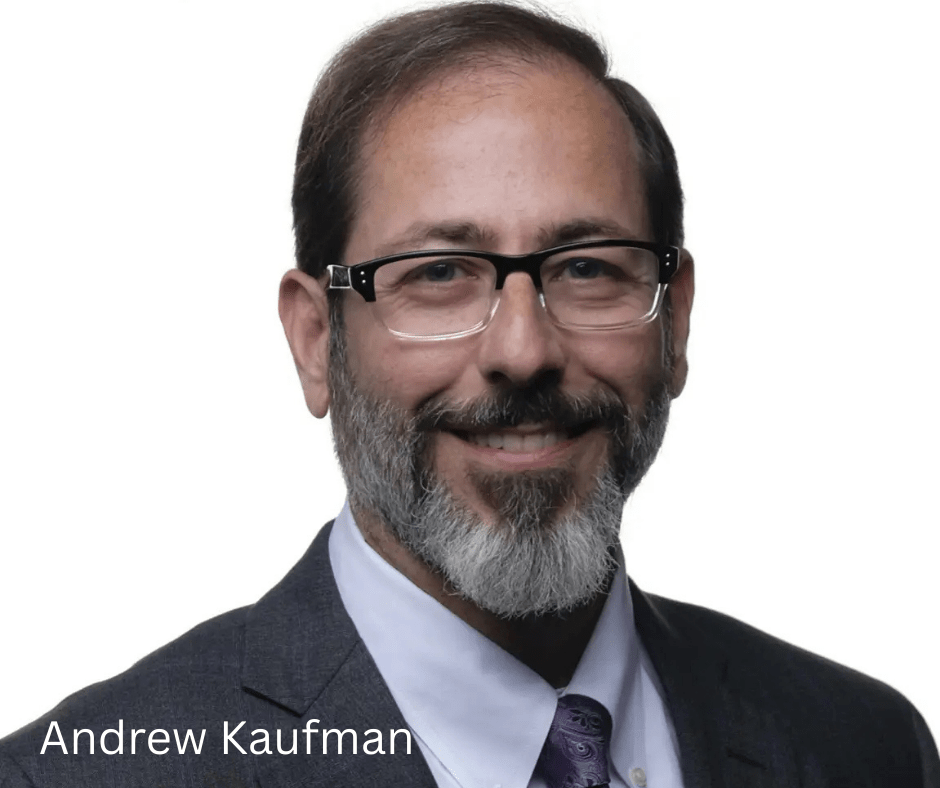
In terrain theory circles, exosomes—tiny vesicles naturally released by cells—are gaining attention for their role in signalling and detoxifying the body. In mainstream science, exosomes are recognised as part of an intelligent cellular communication and waste-removal system. But terrain theory advocates, like Dr. Andrew Kaufman, take this further: he argues that what many scientists label as “viruses” may actually be exosomes—not infectious agents, but the body’s own response to toxicity or cellular stress.
“I’m one of the few people … who don’t believe viruses are the cause of disease. What you’re seeing under the microscope may well be exosomes.” – Dr. Andrew Kaufman
For a thoughtful, focused discussion from Dr. Kaufman on this topic, check out:
- Video: SARS‑CoV‑2 Is Just an Exosome — Dr. Andrew Kaufman 👉YouTube
Understanding the role of exosomes invites us to take a broader look at how the body responds to internal stress and imbalance, not just through tiny vesicles or somatids, but also through the trillions of microbes that live within us.
Dr Stefan Lanka: A Virologist Who Challenged the Virus Narrative
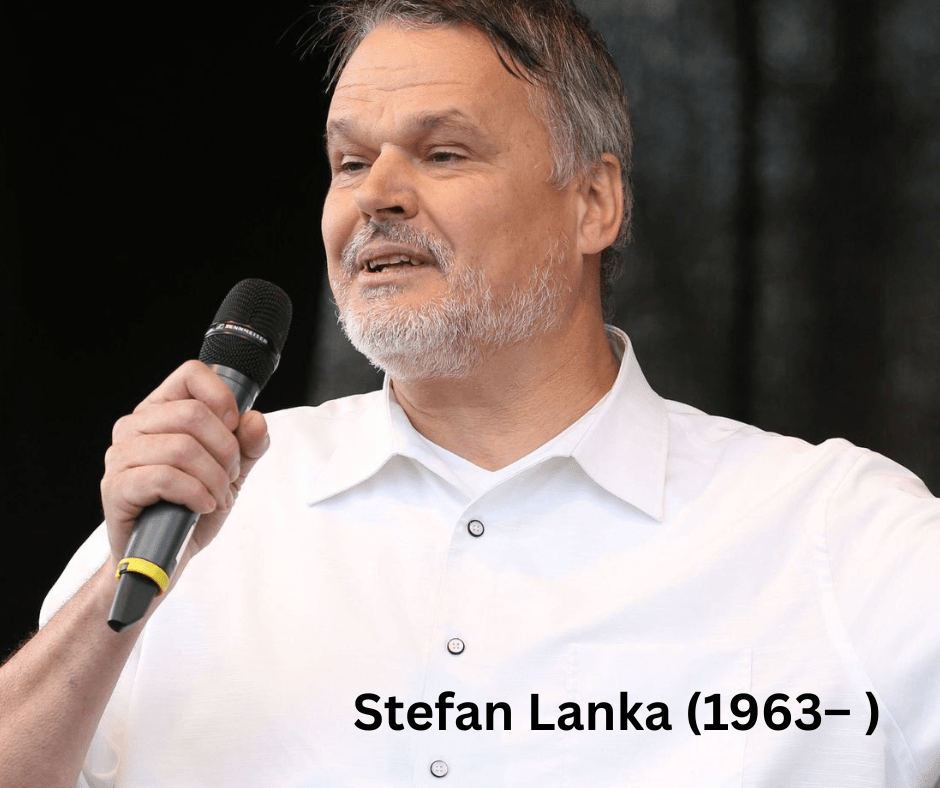
Dr. Stefan Lanka, a German biologist and former virologist, is another important figure in questioning germ theory. In the 1990s, Lanka became widely known for his claim that viruses such as HIV were never scientifically proven to exist as infectious agents. Instead, he argued that what mainstream science calls “viruses” are in fact normal particles of cellular breakdown — misinterpreted as invaders.
Lanka emphasizes:
- Viruses are not independent, infectious entities.
- What we see under the microscope are fragments of our own cells, often produced under stress.
- Illness arises not from invasion, but from imbalance within the body’s terrain.
“What is currently described as a virus are actually particles of dying cells, being misinterpreted as viruses.”
— Dr. Stefan Lanka
For those who’d like to explore his perspective further, here’s an accessible interview that delves into his findings and why he believes modern virology has misunderstood these cellular particles:
👉Watch Dr. Stefan Lanka Interview – Click here to watch the video!
What Are We Really Testing For?
Kary Mullis, PCR, & The Limits of Viral Detection
After examining concepts like somatids, exosomes, and protits—particles that challenge conventional microbial thinking—it’s time to question how viruses are identified in the first place.
The Polymerase Chain Reaction (PCR) has become the standard tool for detecting fragments of viral genetic material. Yet its inventor, Nobel Prize–winning biochemist Dr Kary Mullis, repeatedly cautioned that PCR was never intended to diagnose infectious diseases. He highlighted the serious limitations of using the test in this way and even admitted that he could never locate the foundational reference proving HIV as the cause of AIDS.
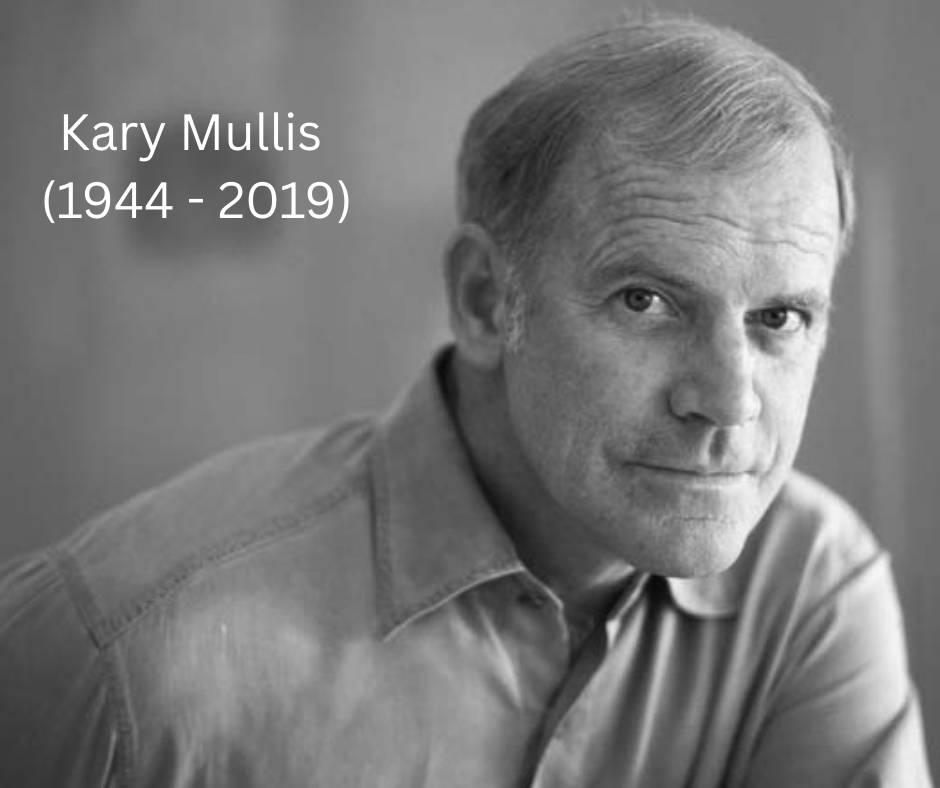
“PCR is just a process that allows you to make a whole lot of something out of something. It doesn’t tell you that you’re sick.”
— Dr Kary Mullis
PCR amplifies tiny traces of DNA or RNA—but it does not confirm whether the material comes from a living, infectious agent or simply fragments shed by healthy, functioning cells.
To hear Mullis’s own thoughts directly, here’s a focused video clip:
👉 What Kary Mullis says about PCR testing – short clip
This brief video captures his cautionary stance on interpreting PCR results as evidence of disease.
We’ve seen that our tools for detecting microbes aren’t always as reliable as we’ve been led to believe, so what does that mean for our understanding of the trillions of bacteria living inside us (and our animals)?
This brings us to a vital — but often misunderstood — aspect of health in both dogs and humans: the gut microbiome.
Good vs. Bad Bacteria: Why Your Dog’s Gut Is Not What You Think
We’ve been conditioned to think of bacteria as the enemy, in humans and in dogs. But bacteria aren’t something to fight. In fact, they’re essential to your dog’s health.
Bacteria don’t cause disease; they respond to it.
They’re like firemen at the scene of a fire. The firemen didn’t start the blaze; they’re there to help manage the damage. Or like detectives at a crime scene, their presence means something happened, but they didn’t cause it. Or flies on something rotten; they didn’t create the mess; they just responded to it.
The same is true for bacteria. Their presence during illness isn’t proof that they caused the problem. More often, they respond to damage, imbalance, or decay in the body, not creating it.
Your dog’s body is home to trillions of microbes, especially in the gut. And these bacteria aren’t just passive passengers; they do crucial jobs:
- Recycling: Transforming waste into useful substances that your dog can re-use.
- Disposal: Breaking down dead or dying cells so new, healthy tissue can grow.
- Manufacturing: Producing essential nutrients like B vitamins and short-chain fatty acids that support digestion.
Bacteria eat, poop, and regrow. They consume substances in your dog’s gut, convert them into useful byproducts, and then multiply to keep the system running. This “bacterial cycle” is how your dog’s microbiome helps maintain balance, repair damage, and extract the full value from a proper diet.
These bacteria are part of your dog, not foreign invaders, and they thrive when your dog is eating a species-appropriate diet. Just like in humans, the microbiome reflects the food it’s given.
To make this relatable, imagine two people:
- One eats mostly fruits and vegetables.
- The other lives on crisps and chocolate.
The person eating whole, natural foods will have more bacteria suited to digesting those foods, which we often call “good bacteria.” The one eating processed junk will have more bacteria suited to what we label “bad bacteria.” But the bacteria themselves didn’t cause the good or poor health; the diet did.
Now, apply that to dogs:
- A dog eating a raw diet full of meat, bone, and organs, along with fresh fruit and some vegetables, will develop a microbiome that thrives on natural food.
- A dog fed an ultra-processed diet like kibble will develop a different microbial balance, suited to digesting high-starch, synthetic ingredients.
We call the first set of bacteria “good” and the second “bad.” But in truth, there are no good or bad bacteria, only bacteria responding to what they’re fed.
The diet shapes the microbiome. Not the other way around.
Most people have been taught to fear bacteria like Streptococcus, as if these microbes suddenly attack the body out of nowhere. But what if that story is backwards?
Strep bacteria are not foreign invaders; they’re naturally present in the mouths, throats, and respiratory tracts of both humans and dogs. This isn’t abnormal. In fact, many types of bacteria, including Streptococcus, live in harmony with us every single day, performing essential clean-up roles as part of the natural biological terrain. They’re not “bad” – they’re just doing their job.
As Dr. Tom Cowan Author of “The Contagion Myth”, puts it:
“If you have strep bacteria in your throat, it’s because you have dead tissue and the bacteria have come to eat it and biodegrade the dead tissue.”
The presence of bacteria is not the cause of illness; it’s the result of an already-existing issue that needs to be resolved. The body is not under attack; it’s in clean-up mode.
So instead of fearing bacteria or trying to eliminate them, we should focus on creating the right internal environment that allows beneficial bacteria to thrive and do their job.
Because here’s the truth:
Your dog’s bacteria are not separate from them. They are them.
When we feed our dogs the way nature intended, we’re not just avoiding illness we’re supporting a system designed to protect, heal, and thrive from the inside out.
So… What Are We Really Treating?
We have been trained to see germs as invaders – something to fear and destroy. But what if the presence of bacteria, viruses, and fungi is a response, not a cause? What if they are part of the natural cycle of cleaning and restoring the body.
Rethinking “Pathogens”: Campylobacter, Pseudomonas & Giardia as Natural Residents
When we hear names like Campylobacter or Giardia, we often think of harmful invaders causing disease. But growing evidence shows these microbes frequently live harmlessly within healthy humans and animals, acting more like natural residents than threats.
Take Campylobacter jejuni, for example. It’s extremely common in poultry; studies show that up to 100% of flocks carry it, yet the birds typically remain completely healthy. This suggests that Campylobacter is part of their normal gut microbiome, not a pathogen in the traditional sense.
A study published on 👉 NIH.gov explains:
“Campylobacter jejuni colonizes the avian intestinal tract at high levels without producing clinical disease, indicating a commensal or asymptomatic relationship in poultry.”
Another survey found that 90.4% of laying hens carried Campylobacter without showing symptoms, reinforcing the idea that its mere presence doesn’t equate to disease.
These birds act as asymptomatic carriers, shedding Campylobacter as part of their natural biology. Disease only emerges when the host’s internal environment—or terrain—is compromised by stress, poor diet, or unsanitary conditions. In other words, it’s not simply the presence of a microbe that leads to illness, but the state of the terrain that determines whether a microbe behaves harmlessly or becomes problematic.
Giardia: A Common, Often Harmless Resident
Giardia lamblia is widely seen as a harmful parasite, but research shows that its presence doesn’t necessarily mean illness. In fact, many healthy animals and humans carry Giardia without showing any symptoms.⁹⁻¹⁰
A study published in mSystems found that natural Giardia presence in both dogs and humans was associated with changes in gut microbiota—but not with signs of disease.⁹ Another study in a high-income country showed that Giardia intestinalis was found in gut-healthy adults, further challenging the idea that its detection always signals infection or harm.¹⁰ These findings support the view that Giardia can exist as part of a balanced gut ecosystem when the host’s internal environment—or terrain—is in harmony.
Rather than being an external invader that must be eliminated, Giardia appears to become disruptive only when the internal terrain is disturbed—through factors such as poor nutrition, stress, environmental toxins, or imbalance in the gut microbiome. In many cases, its presence simply reflects natural environmental contact and a body capable of maintaining microbial balance. A well-regulated internal environment allows Giardia to remain a benign resident, reinforcing the idea that it is not the microbe, but the condition of the host, that determines the outcome.
Another well-known bacterium is Pseudomonas, a naturally occurring microbe found in the environment and on the skin; it’s part of the body’s microbial world, not an invader. But like yeast, it can multiply when the body’s internal balance is disturbed—as I explain further in 👉 my article on the role of yeast.
In the Natural World:
Pseudomonas bacteria are commonly found in soil, water, and plants. They’re part of the microbial world we interact with constantly.
On and in the Body:
In healthy individuals, including dogs who eat foods they are physiologically designed to consume and maintain a healthy lifestyle, the body typically keeps Pseudomonas aeruginosa in check. This bacterium is often present in small amounts on the skin, in the gut, and in moist areas such as the ears, urinary tract, and lungs, without causing harm. However, when the internal terrain becomes imbalanced or ‘dirty’ due to poor diet and unhealthy living, P. aeruginosa can multiply, contributing to the breakdown and decomposition of dead or dying tissue. And anyone who has dealt with Pseudomonas in their dog will know that it comes with a foul smell and can be notoriously difficult to shift.
“This is what the bacteria, viruses, and germs are there for. They clean up old, diseased tissues. The germs are not the problem — the conditions and environment they are in are. Do you treat the problem, or the result?” — Antoine Béchamp
This idea that the body heals when the terrain is restored changed the way I approach both my own health and the care of my animals. I now focus on nutrition, natural remedies, detoxification, and emotional well-being. And Monty? He’s thriving without drugs, without suppressants, and without fear.
Dawn Lester and David Parker: Continuing the Conversation
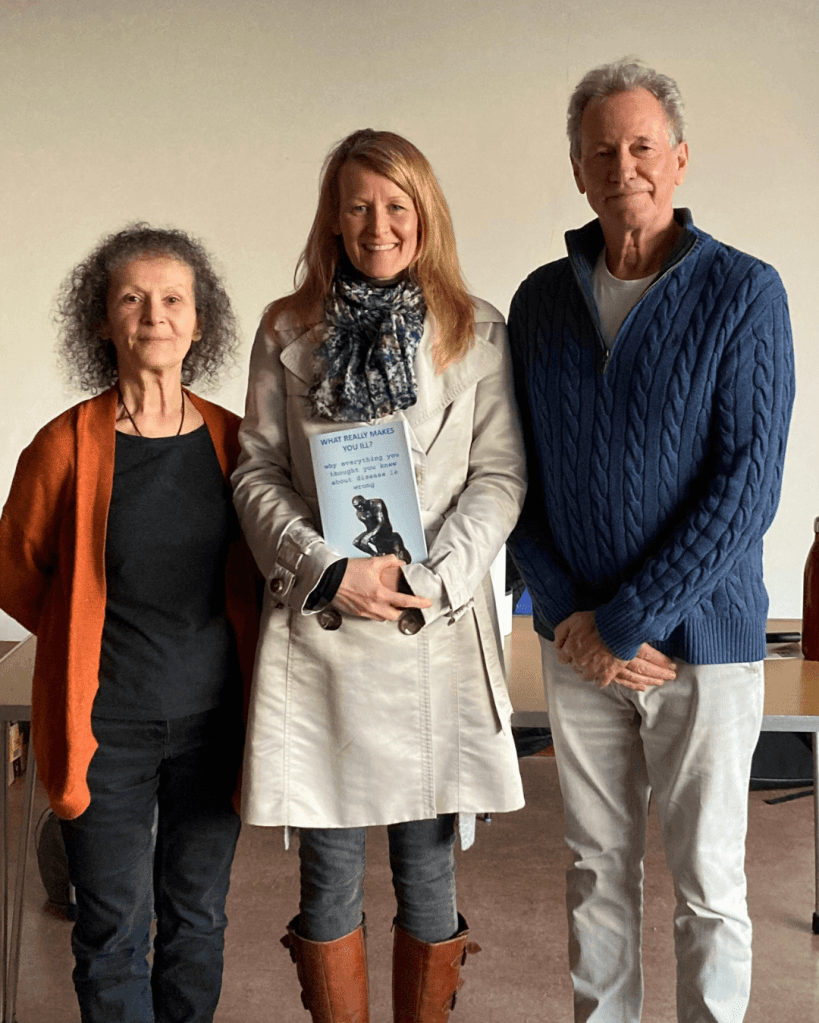
Meeting Dawn and David in March 2022 at an educational event was a key moment in my journey to understanding health beyond what I had been taught.
Dawn Lester and David Parker are researchers and authors who question mainstream medical narratives and explore alternative perspectives on health and disease.
Their book, What Really Makes You Ill?, took around 10 years to research and was released before COVID-19, covering many of the topics that later became widely discussed. It also includes over 40 pages of references, highlighting the depth and detail of their investigation.
In their work, they revisit historical events such as the Spanish Flu and polio, encouraging readers to look beyond conventional explanations and consider the wider context of each period. This includes examining factors such as living conditions, nutrition, sanitation, and the role of vested interests in shaping medical narratives, statistics, and public understanding of disease. Their aim is to encourage critical thinking about how history is recorded and interpreted, and how this influences modern health beliefs.
Their research doesn’t just present information; it challenges you to question everything you thought you knew about health, and to see the body in a completely different way. A link to their book is provided in the references below.
You Can’t Catch a Cold? Rethinking Contagion
In his book You Can’t Catch a Cold, Untold History & Human Experiments, Senior Lecturer of Nutritional Medicine and Master of Human Nutrition Daniel Roytas challenges the idea that colds and flu are caused by contagious viruses. He revisits the work of the Common Cold Unit, a research facility in Salisbury, England, that operated from 1946 to 1989 and conducted over 200 controlled experiments to test the contagiousness of the common cold.
In these studies, healthy volunteers were exposed to individuals actively suffering from cold symptoms. They were sneezed and coughed on, had nasal secretions swabbed into their own noses and throats, and even slept beside sick individuals. Despite these intense efforts, researchers were consistently unable to transmit the illness.
“The evidence for person-to-person transmission simply didn’t hold up in a clinical setting,” Roytas explains. “What we’ve been told about viruses and contagion is based more on assumption than scientific proof.”
I highly recommend the interview, Can You Catch a Cold?, featuring Daniel Roytas and conducted by Alec Zeck on The Way Forward series, which can be viewed on
👉 YouTube here.👈
These surprising results align with terrain theory, which suggests that colds and flu arise not from external invaders but from internal imbalances, such as stress, toxin overload, lack of sleep and sunlight, and, more importantly, poor nutrition.
Rather than being something we “catch,” illness may be a natural detox response of the body trying to restore balance.
“If colds were truly contagious, these studies would have succeeded. But they didn’t-not once.” — Daniel Roytas
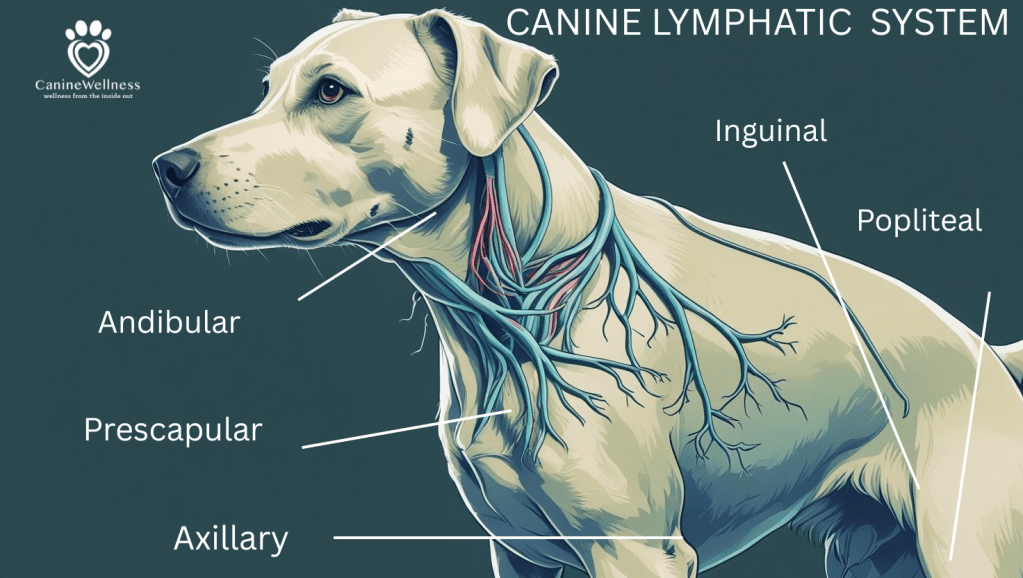
This insight is a modern echo of what Béchamp, Bernard, and others believed: disease does not come from outside invaders, but from within, when the terrain becomes compromised. Building on this, many natural health advocates argue that what we traditionally call the immune system is more accurately a function of the lymphatic system, the body’s internal drainage and detoxification network. The lymphatic system plays a crucial role in maintaining a healthy internal environment by collecting cellular waste and toxins and removing them from the body. When lymphatic flow becomes stagnant due to inactivity, a poor diet and dehydration, the terrain becomes burdened and toxic, creating ideal conditions for disease to develop. Supporting healthy lymphatic function through movement, hydration, deep breathing, and natural detoxification is therefore essential in maintaining a resilient internal terrain — and preventing illness from taking hold in the first place. My article here focuses on the lymphatic system, examining its vital role in health and how to support it effectively. 👉The Hidden Detox Systems Behind Your Dog’s Itching, Inflammation, Gunk, Lymph, and Kidneys
The debate between Germ Theory and Terrain Theory isn’t just an academic discussion; it’s a conversation that can shift how we approach health and healing, not only for ourselves but also for our companion animals. As we continue to explore the true nature of disease, it’s essential to step outside the confines of conventional thinking and question the narratives we’ve been taught.
Whether you’re sceptical, curious, or already on your own journey of understanding, I encourage you to do more research, challenge the status quo, and consider how the terrain theory could empower you to take control of your health. Begin by asking: What are we really treating – the symptoms, or the root cause?
I urge you to share this knowledge, dig deeper into alternative healing methods, and empower others to explore the healing potential of their own bodies and their pets’. The more we learn, the more we can heal, both individually and collectively.
Join me in uncovering the truth one step, one discovery, and one healthier choice at a time.
Thank you for reading.
Teresa
References
¹ Early 20th Century Reforms of Medical Education Worldwide, Rockefeller Archive Center.
https://resource.rockarch.org/story/early-20th-century-reforms-of-medical-education-worldwide
² Saks, M. (2012). The Flexner Report of 1910 and Its Impact on Complementary and Alternative Medicine and Psychiatry in North America in the 20th Century.
https://www.ncbi.nlm.nih.gov/pmc/articles/PMC3543812/
³ Brown, E. R. Rockefeller Medicine Men: Medicine and Capitalism in America. University of California Press, 1979.
Free version:
⁴ Antoine Béchamp’s Terrain Theory – Overview of terrain theory and its contrast with Pasteur’s germ theory.
⁵ Stone, M. (2022). Louis Pasteur’s Unethical Rabies Fraud.
https://viroliegy.com/2022/02/25/louis-pasteurs-unethical-rabies-fraud/
⁶ Bailey, S. What About Rabies?
https://drsambailey.com/resources/videos/viruses-unplugged/what-about-rabies/
⁷ Lynes, B. (1987). The Cancer Cure That Worked: Fifty Years of Suppression. CompCare Publishers.
Amazon link: https://www.amazon.co.uk/dp/0919951309
⁸ Elswick, S. R. The Amazing Wonders of Gaston Naessens.
The Amazing Wonders of Gaston Naessens by Steven R. Elswick
⁹ Rojas et al. (2020). Natural Infection with Giardia Is Associated with Altered Community Structure of the Human and Canine Gut Microbiome. mSystems.
https://www.ncbi.nlm.nih.gov/pmc/articles/PMC7407069/
¹⁰ Elwin et al. (2023). The opportunistic protist Giardia intestinalis occurs in gut-healthy humans in a high-income country.
https://www.ncbi.nlm.nih.gov/pmc/articles/PMC10614719/⁹Natural Infection with Giardia Is Associated with Altered Community Structure of the Human and Canine Gut Microbiome https://pmc.ncbi.nlm.nih.gov/articles/PMC7407069/?utm_source=chatgpt.com
Recommended books:
What Really Makes You Ill? Why Everything You Thought You Knew About Disease Is Wrong
By Dawn Lester & David Parker Welcome To What Really Makes You Ill – What Really Makes You Ill
The Blood and Its Third Element
By Antoine Béchamp
The Curse of Louis Pasteur
By Nancy Appleton 👉 The Curse of Louis Pasteur by Nancy Appleton
This avoids all the extra Amazon tracking text and sh
Medical Monopoly: The Evil Empire That You’ve Been Tricked to Trust By Dr Kevin Reese Medical Monopoly: How the Empire Has Tricked Us
Life Science Course: Lesson 66 – Contagions & Epidemics
By T.C. Fry
Click to access lifesciencelesson66-contagions-epidemics.pdf
Further Reading & Independent Voices
Mike Stone – Viroliegy.com
Mike Stone offers detailed, research-driven critiques of germ theory, virology, and conventional models of disease. His work challenges mainstream assumptions and promotes terrain-based frameworks.
Recommended Articles by Mike Stone:
The Germ Hypothesis Part 2: Koch’s Crisis
https://viroliegy.com/2024/06/07/the-germ-hypothesis-part-2-kochs-crisis/
The Germ Theory House of Cards
https://viroliegy.com/2023/10/06/the-germ-theory-house-of-cards/
The Germ Hypothesis Part 1: Pasteur’s Problems
https://viroliegy.com/2024/05/23/the-germ-hypothesis-part-1-pasteurs-problems/
 Water. Real, biological moisture.
 Dry kibble is one of the worst things for the kidneys.
 Rehydrate the body properly
 If you’re dealing with recurring ear issues and want help understanding what your dog’s body is really asking for, I can help.


 Watch here:
  Simple sugars — like fructose in fruit — enter cells easily through diffusion.
 Starches, on the other hand, require insulin to enter cells. When a dog eats starch, the body breaks those long chains of sugar apart, causing a huge spike in blood sugar, followed by a crash. The leftover undigested starches then ferment in the gut, feeding yeast, candida, and parasites. 👉 You can read about the role and causes of yeast overgrowth
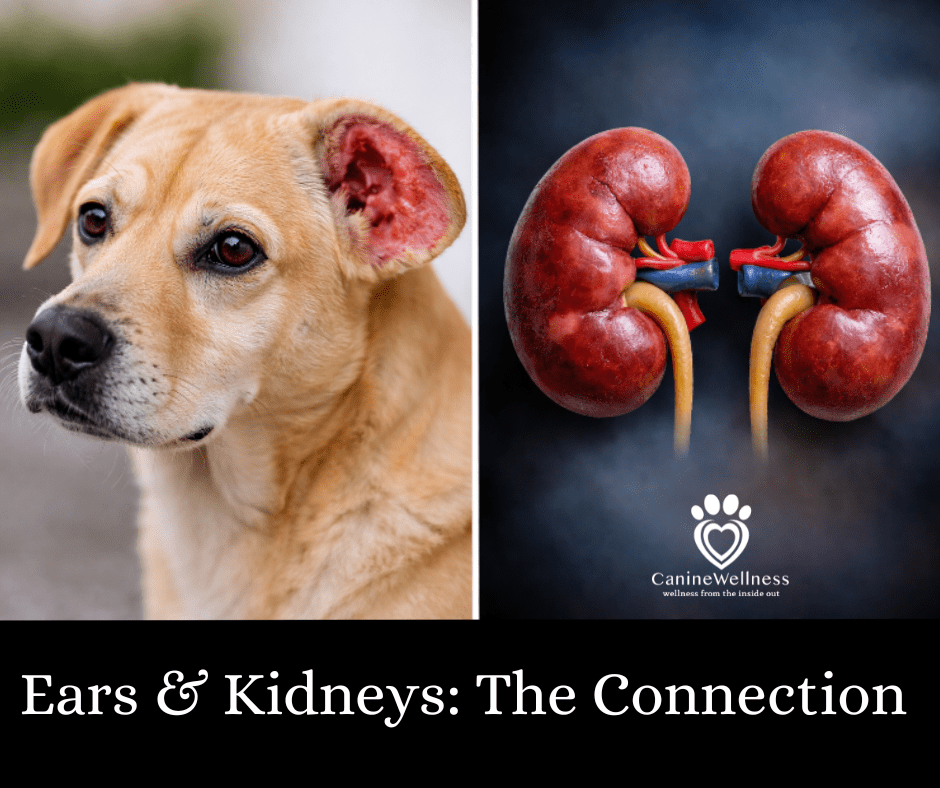
  Itching & ear ‘infections’
 Fresh fruits (fed on the right days!) nourish.
 Starches in kibble deplete.


 It’s called Bravecto Quantum, a 12-month injectable flea and tick treatment for dogs.
 What is Bravecto Quantum?
 Safe and Effective? Not So Fast…
 Is It Available in the U.K.?
 It Targets Nerves – Including Your Dog’s
 Natural Alternatives Do Exist
 If Your Dog’s Already Struggling…
 Book a Consultation
 Ready to help your dog heal naturally?
 What Is the Disease-for-Profit System?
 Let’s Start with Pet Food
 And What Happens at the Vet?
 The Cycle Looks Like This:
