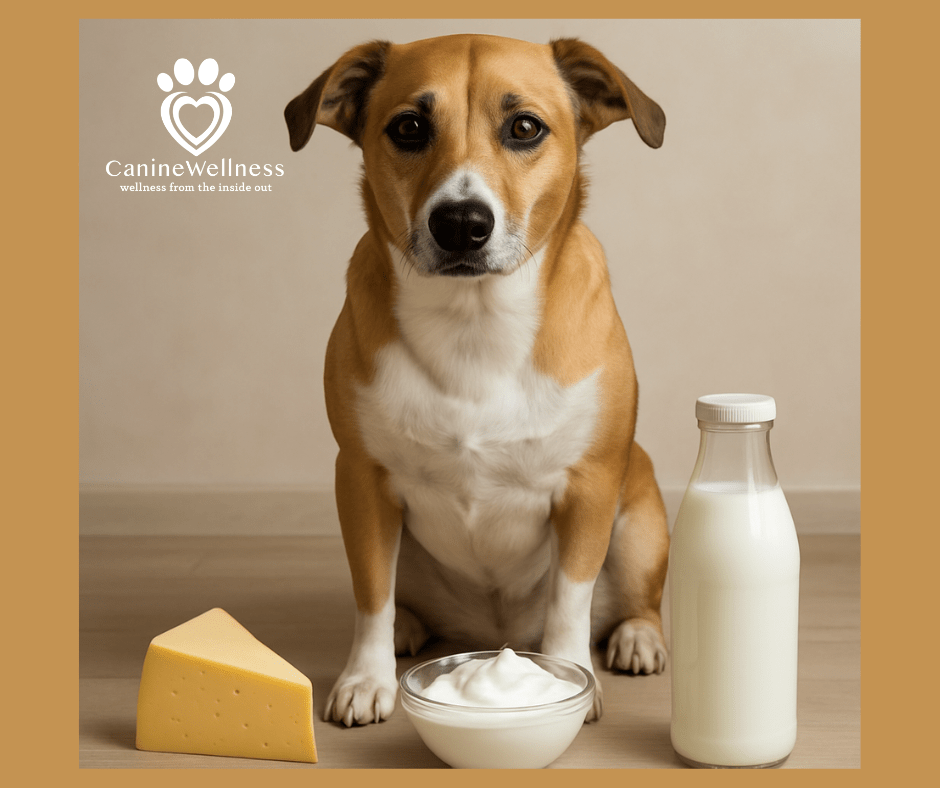
Let’s talk about dairy and dogs. Despite the popularity of cheese treats, probiotic yoghurts, and kefir, dairy is not species-appropriate for our canine companions.
Dogs are mammals, so yes, they start life drinking their mother’s milk. But here’s the key: after weaning, dogs naturally lose the enzyme (lactase) that breaks down lactose, the sugar found in milk. This is completely normal because in nature, dogs wouldn’t continue drinking milk once weaned. And they certainly wouldn’t drink the milk of another species like cows or goats.
Feeding your dog cheese, yoghurt, or kefir might seem harmless (or even beneficial), but here’s the truth:
Dogs are not designed to digest dairy. It often leads to bloating, gas, loose stools, or silent inflammation that shows up later as itchy skin, ear infections, or yeasty paws.
Kefir and yoghurt do not feed your dog’s gut health. The idea that these foods provide “good bacteria” is a human concept rooted in probiotic marketing. Your dog’s gut doesn’t need these foreign bacteria, especially from fermented cow’s milk.
Dairy is mucous-forming. In both dogs and humans, dairy promotes excess mucous production. This can congest the system and create the perfect environment for inflammation, ‘allergies’, and chronic conditions to thrive.
Dairy feeds imbalance, not health. Many of the chronic symptoms people see in their dogs—itchy skin, gunky ears, paw licking, anal gland issues are made worse by foods that don’t belong in a species-appropriate diet.
It’s so important to remove these foods entirely; even a small treat with dairy will not benefit your dog. It can quietly hinder healing or contribute to long-term disease.
“Just a little” still matters. If your dog is dealing with inflammation or detoxing, every bite counts. Even the occasional bit of cheese can throw off progress. Healing requires clarity and consistency.
Dogs are not mini humans. Just because kefir or yoghurt is seen as “healthy” for us doesn’t mean it’s suitable for dogs. Their digestive systems are completely different. Feeding human food trends to dogs can do more harm than good.
And remember this: No other animal drinks milk after weaning, especially not from another species. That fact alone tells us how unnatural it is. We’ve normalised dairy for convenience and tradition, not because it supports true health.
That’s why my consultations offer a one-to-one approach, where I look deeply at your dog’s current diet and help you remove the foods—like dairy—that simply don’t belong.
Feeling like your dog’s diet might need a little refresh?
Whether you’re just starting out or you’re an existing client noticing a few niggles, itchy paws, gunky ears, or just that feeling something’s not quite right it could all be linked to diet.
My one-to-one consultations are designed to uncover what’s going on and help your dog get back to thriving. If you’re ready for a reset or need to revisit your dog’s current plan, I’m here to support you.
Support Your Dog’s Health—One DIY Meal at a Time Raw DIY feeding isn’t as complicated as it might seem, and you don’t have to worry about creating a ‘perfectly balanced’ meal with every single bowl. In fact, the idea of a “balanced” meal in every serving isn’t quite how nature works. The common 80/10/10 ratio—80% muscle meat, 10% organ meat, and 10% bone—while popular, doesn’t guarantee a ‘balanced’ meal either.
Dogs actually get their complete nutrition over time when offered a variety of proteins, organs, and other fresh ingredients. By rotating proteins and adding in different types of raw meaty bones, you’ll ensure they get a full spectrum of nutrients across several meals, not necessarily all in one.
Even adding just one or two homemade raw DIY meals a week gives you more control over fat content and lets you include fresh, nutrient-rich foods your dog will love. DIY meals also support natural behaviours—chewing on raw meaty bones like spines and necks helps clean teeth, strengthen the jaw, and provide mental enrichment.
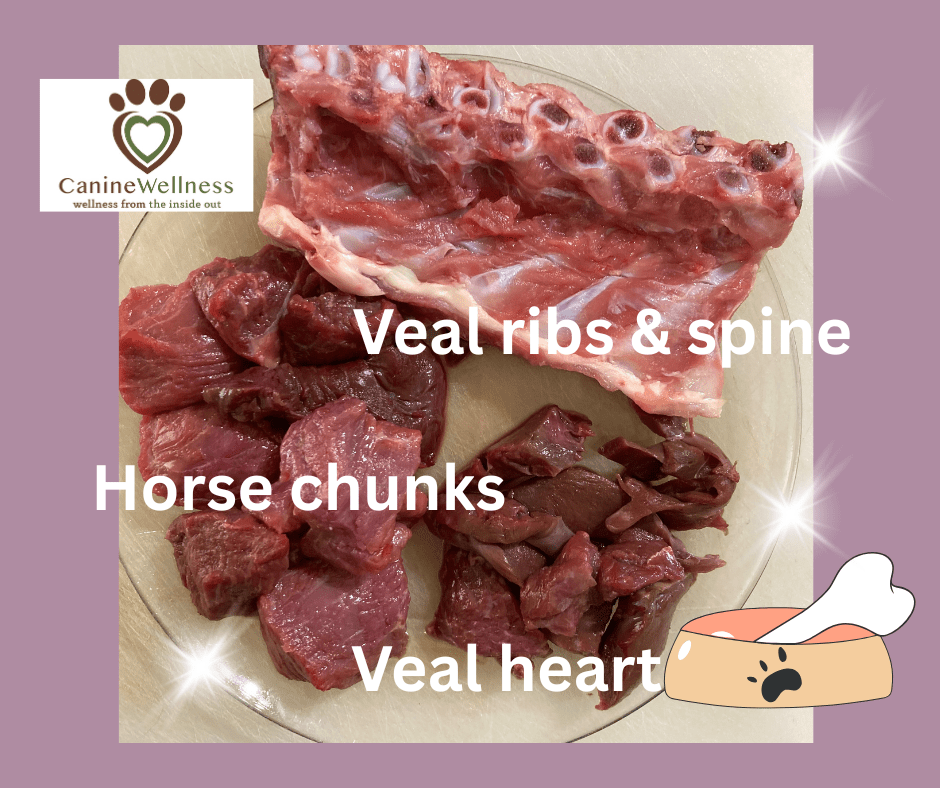
Here we have: 🦴 Veal ribs & spine – rich in calcium, phosphorus, and collagen for bone and joint health. 🥩 Horse chunks – A lean red meat packed with iron, zinc, and B vitamins to support energy, muscle function, and vitality. ❤️ Veal heart – A nutrient-dense meat full of taurine, CoQ10, and B vitamins, supporting heart health and overall wellness.
Whether you’re just starting out or looking to add variety to your routine, I’ll help you create wholesome DIY raw meals tailored to your dog’s unique needs—whether you have a Chihuahua, a Great Dane, or anything in between.
Get in Touch! Have questions or ready to start feeding your dog wholesome, balanced DIY meals? I’m here to help! Reach out today, and let’s chat about how we can tailor a raw feeding plan that’s perfect for your dog’s needs.
If you’re a dog owner, you’ve probably heard of anal gland problems at some point whether from your vet, a groomer, or other pet parents. But what exactly are anal glands, and why do some dogs seem to struggle with them more than others? In this post, I’m going to break down the function of these glands, why they sometimes become a problem, and how diet plays a huge role in your dog’s anal gland health.
What Are Anal Glands and What Do They Do?
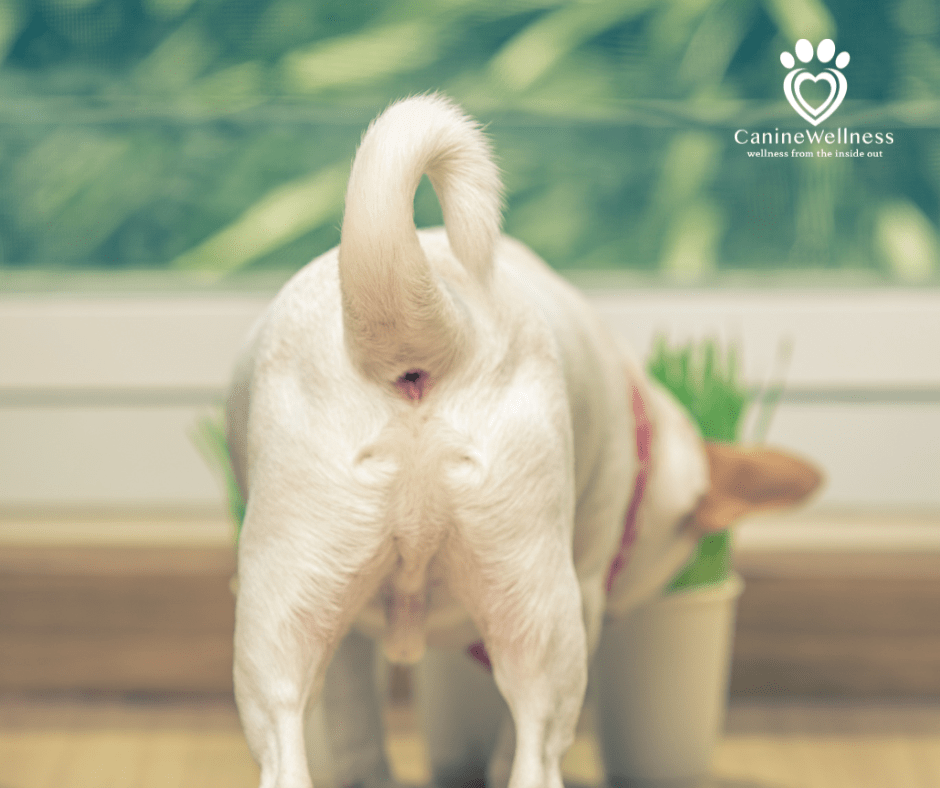
Every dog has two small anal glands located on either side of their anus. These glands are responsible for producing a strong-smelling secretion that’s typically used for marking territory. While this may sound unpleasant to us, it’s totally normal and a part of your dog’s natural hygiene system.
When your dog has a healthy bowel movement, the anal glands are naturally expressed. This means the glands empty their contents, releasing a distinctive scent as the poop passes through. It’s a form of communication for dogs, as they mark their scent wherever they go.
Why Do Some Dogs Have Anal Gland Problems?
While anal glands are meant to be naturally expressed during bowel movements, some dogs have trouble with this process. When anal glands aren’t emptied properly, they can become impacted, inflamed, or even ‘infected’. Over time, this leads to discomfort and health issues.
The primary cause? Often it’s diet. If a dog’s stool is too soft or inconsistent, it doesn’t put enough pressure on the anal glands to express them naturally. Without that pressure, the glands fill up and may become impacted.
What’s Really Going On Beneath the Surface
Anal gland issues are more than just a minor inconvenience they’re often a sign that your dog’s body is struggling to eliminate waste efficiently. When the usual detox channels (like the liver, kidneys, bowels, and skin) are overloaded or under-functioning, the body finds alternative routes to store or release waste.
Glands including the anal glands can become holding places for this waste. If it isn’t expelled properly, it can build up over time and lead to inflammation, impactions, cysts or even tumours in some cases. You can read more about the seven stages of disease here https://canine-wellness-specialist.uk/2022/04/23/the-seven-stages-of-disease/
This is why it’s so important not to just treat the symptoms. Instead, we look at the whole dog: their diet, digestion, movement, and overall well-being. By doing this, we support the body’s natural ability to function and heal.
Dehydration
Anal glands can get clogged when a dog’s body is short on water. Cooking pulls moisture out of food, so a diet heavy in cooked meals, such as kibble and processed foods leaves the whole lymphatic “waste‑removal” network, anal glands included dried out and stagnant. The fluid there thickens, backs up, and causes blockages.
The fix starts with re‑hydrating the body. When we remove the root cause (dehydration), the glands can usually clear themselves. Fresh, water‑rich raw fruits are the best hydrators. Think watermelon for a big moisture boost, or soft fruits like bananas, which are easy to pass if the glands are already irritated.
A short fast often settles things, but feeding a light plant‑based meal can also help sweep out and moisten that lingering debris so it passes more easily.
Signs Your Dog Might Have Anal Gland Issues
Scooting: Dragging their bottom along the floor
Fishy or foul odour: A strong, unusual smell from the rear end
Excessive licking: Especially around the tail or bottom
Restlessness or difficulty sitting: Signs of discomfort or pain
Should Your Dog’s Glands Be Manually Expressed?
A lot of dogs have their anal glands expressed regularly by groomers or vets. But here’s the thing! manually expressing them too often can interfere with their natural function. Over time, the glands may become reliant on being manually emptied and stop working as they should.
If your dog isn’t showing signs of gland issues, it is usually unnecessary to have them expressed. If you do use a groomer, always ask if they express the glands, as this can be part of a routine service they provide, and you may not even know they are doing it. If they are, kindly ask them to stop unless medically necessary.
How to Help Anal Glands Function Naturally
You can support your dog’s gland health by making a few key changes, especially around diet and digestion:
Add Fibre to Their Diet: Fibre helps create firm stools, which put the necessary pressure on the anal glands during bowel movements.
Feed the Right Foods: A species-appropriate, raw diet supports healthy digestion and reduces the build-up of internal waste that can end up in glands.
Support the Whole System: Make sure your dog is well-hydrated, gets regular exercise, and has plenty of time to rest. These things all play a role in how well the body processes and eliminates waste.
Watch for Digestive Imbalance: If your dog frequently has soft poops or inconsistent digestion, this could be the root of the gland issue. Addressing gut health will often solve the problem at its core.
In Summary
Anal gland problems aren’t “just something dogs deal with.” They’re signals, signs that something deeper may be going on in the body. By taking a whole-dog approach and focusing on the root causes (especially diet and digestion), we can support your dog’s body to work the way it was designed to. Naturally.
If your dog is struggling with recurring gland issues, let’s take a step back, look at the bigger picture, and help their body find balance again, one bowl at a time.
Need personalised, one‑to‑one support for your dog’s anal gland or digestive issues? Contact me today, and together we’ll create a tailored plan that gets to the root of the problem and helps your pup feel comfortable again.
Imagine being trapped in a body that’s too heavy to run, jump, or even breathe comfortably. This is the reality for millions of dogs today. Obesity in dogs is a growing issue, and the main culprit is diet. Many dog owners unknowingly contribute to their pets’ weight gain by feeding them highly processed foods that are packed with fats and unhealthy fillers. Even commercially available raw food, often thought to be a healthier option, can contain excessive amounts of fat, which can lead to obesity and related health issues.
Small Steps, Big Results
The journey to helping your dog achieve a healthier weight doesn’t happen overnight, but small, consistent changes can lead to big results. Start by adjusting their diet gradually, reducing portion sizes, and adding in more natural food options like lean meats and plant-based meals. A little goes a long way, and before you know it, you’ll notice a happier, healthier dog with more energy and vitality.
🐾 Want to Learn How to Start Making Small Changes That Lead to Big Results?
You’re not alone, and help is just a message away. I offer personalised guidance on diet transitions, portion control, and fasting strategies tailored to your dog’s needs. 👉 https://canine-wellness-specialist.uk/contact/
The Importance of an Appropriate Diet
A species-appropriate diet is key to maintaining a dog’s healthy weight. Most commercial dog foods are not aligned with dogs’ biological needs. Dogs should primarily consume fresh, lean meats, bone and offal, but even then, portion control is crucial. Overfeeding is a common issue; many owners don’t realise that their dogs eat far too much.
How Widespread is Canine Obesity?
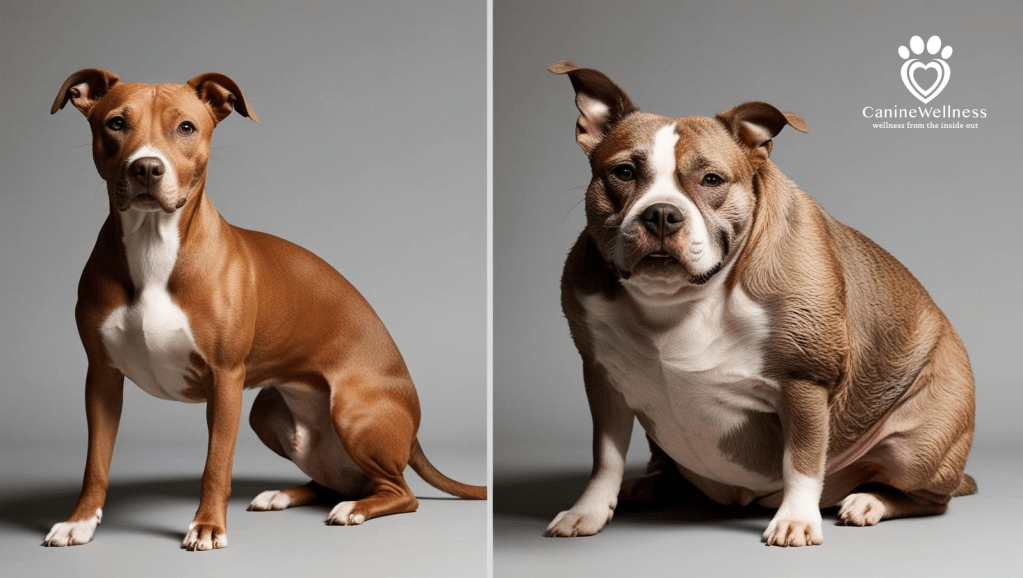
In my work, I educate dog owners about proper nutrition and the effects of poor dietary choices. A staggering 80% of the dogs that come to me are overweight, yet their owners are often completely unaware. This is because we have become so accustomed to seeing overweight dogs that it has become the norm. Many owners don’t realise what a healthy dog should actually look like!
What Should a Dog Look and Feel Like? A healthy dog should have:
A visible tuck under the tummy—there should be a noticeable upward curve from the chest to the abdomen.
Easily felt ribs—without pressing too hard, you should be able to feel each rib.
A defined waist—when looking down at your dog from above, you should see an inward curve behind the ribcage.
Dogs are lucky to get one hour of walking per day compared to their wild counterparts, wolves, who can travel between 10 to 30 miles daily in search of food, territory, and mates. Just Googling an image of a wild canine will put into perspective what their physique should look like. These animals are like elite endurance athletes, built for stamina, agility, and efficiency. Their lean frames, strong muscles, and high activity levels are a reflection of their natural lifestyle. Domesticated dogs, though not living in the wild, still carry the same physiology. Supporting this with proper nutrition and adequate movement is essential to maintaining a healthy body.
The Role of Fasting and Plant-Based Days
Dogs do not require meat daily, and we are overfeeding them. To maintain optimal digestion and health, dogs should have at least one or two days without meat, either fasting or eating plant-based meals. Dr. Claire Middle, in her book Real Food for Dogs and Cats: A Practical Guide to Feeding Your Pet a Balanced, Natural Diet, suggests that dogs benefit from two fasting days each week. She recommends feeding dogs five meals per week and fasting on two non-consecutive days, to mimic a more natural feeding pattern.
However, some owners may not want to fast their dogs initially. This is where plant-based meals come in! Watermelon days are a great substitute for fasting, as watermelon is very easy on digestion. It takes only a few hours to digest, leaving plenty of time for the body to focus on healing. Digesting meat, on the other hand, can typically take anywhere from 8 to 36 hours.
It’s critical never to mix meat and plant-based foods in the same meal. This is because:
Meat requires an acidic digestive environment.
Fruits and vegetables promote an alkaline digestive environment.
The two types of food cancel each other out, leading to inefficient digestion and potential health issues.
MEAT AND FAT = ACIDIC When meat is digested, it requires an acidic environment. Undigested meat that sits in the digestive tract produces putrefaction, which is ammonia.
VEG AND FRUIT = ALKALINE Undigested plant material that sits in the digestive tract produces fermentation = alcohol.
Ammonia and Alcohol Are Toxic to Cells—Here’s Why
When digestion is incomplete, waste materials like ammonia (from undigested meat) and alcohol (from fermenting plant matter) are produced. Ammonia is a by-product of protein breakdown and is highly toxic to cells. It disrupts cellular metabolism, damages tissues, and places a heavy burden on the liver, which must work overtime to neutralise it. Similarly, alcohol from fermentation can damage the gut lining, impair nutrient absorption, and create systemic inflammation.
These toxic by-products interfere with the body’s ability to detoxify and regenerate, leading to symptoms like skin issues, ear ‘infections’, and digestive distress. Over time, the accumulation of these toxins contributes to chronic health problems. When waste accumulates, it overwhelms the primary organs of elimination (liver, kidneys, lungs, colon). It has no other option but to send the waste out via different avenues, such as the ears, eyes, paws, and skin. What we often mislabel as symptoms or ear ‘infections’- like itchy ears or skin flare-ups- may actually be the body’s intelligent way of eliminating toxins and initiating a healing response.
How to Support the Healing Process
Symptoms Are Often the Cure
It’s important to understand that many of the symptoms we see, such as skin eruptions, ear discharge, eye gunk, and even digestive upset, aren’t always signs that the body is failing. In fact, they can be signs that the body is doing exactly what it’s supposed to: detoxifying. The body is a self-healing, self-regulating organism. When waste builds up beyond what the main elimination organs can handle, it begins to expel these toxins through secondary channels like the skin, ears, and paws.
These symptoms are often part of the healing process. They are the body’s attempt to restore balance and remove toxic build-up. Suppressing them with medications may stop the outward signs temporarily, but it can also drive the toxins deeper into the body, where they cause long-term damage.
Supporting the body’s detoxification through species-appropriate nutrition, rest, and time allows the natural healing mechanisms to work as intended. When we understand that symptoms are often a form of elimination, we stop fearing them and start supporting the process instead.
Rotational MonoFeeding
Rotational MonoFeeding is an approach that involves alternating between meat days, plant-based days, and fasting days. It enables dogs to switch between meat-based meals and plant-based meals while also incorporating fasting days to give their digestive system a break. This feeding method supports the physiological rhythm of digestion, minimising gastrointestinal burden and promoting optimal nutrient diversity and absorption.
Nora Lenz, the founder of Rotational MonoFeeding, advocates this approach because RMF is based mostly on the wild model and partly on what has been observed to work in domestic dogs. This approach is science-based, prevents disease, and can even reverse it!
🐾 Wondering if this Natural Approach is Right for Your Dog?
Whether you’re new to natural feeding or simply want to explore how to better support your dog’s well-being through nutrition and lifestyle, I can help you get started with a plan that suits your dog’s unique needs.
In our modern lives, we’ve become increasingly detached from nature, yet it’s essential to remember that nature seldom errs. Domesticated dogs share 99.9% of their DNA with their wild counterparts, the grey wolves. Aligning our dogs’ diets with their natural evolutionary patterns is crucial for their health.
Wild wolves do not consume meat and plant-based foods in the same meal. This feeding behaviour has been extensively documented by renowned wolf biologist Dr. L. David Mech, who has studied wolves since 1958 across various regions, including Minnesota, Alaska, Yellowstone National Park, and Ellesmere Island in the Canadian Arctic. In his observations, Mech noted that wolves primarily consume their prey, meat, bones, and organs and any plant matter is ingested separately. This natural separation allows for optimal digestion and nutrient absorption.
By emulating this natural feeding pattern, avoiding the combination of meat and plant-based foods in a single meal and incorporating fasting or plant-based days, we can support our dogs’ digestive health, reduce inflammation, and enhance their overall well-being. Nature provides the blueprint; it’s up to us to follow its guidance.
For those interested in delving deeper into Dr. Mech’s research, his book Wolves: Behavior, Ecology, and Conservation offers comprehensive insights into wolf behavior and ecology.
The Natural Canine Diet and Its Role in Health
When feeding a natural canine diet that mimics what they would naturally eat, it’s important to recognise that dogs will typically require more food than they would on a standard commercial raw food diet. While many dogs on the BARF (Biologically Appropriate Raw Food) diet are fed around 2-3% of their body weight, dogs following a more natural diet—one that aligns more closely with what their ancestors would have eaten—may need up to 5% or more of their body weight. This is particularly true when addressing health issues that involve fasting and incorporating plant-based days.
Fasting and plant-based days may be required as part of the process, not because the body needs more fuel but because lifting the burden is key. The body has an innate ability to heal itself once the correct conditions for health are established. https://canine-wellness-specialist.uk/2024/04/09/fasting-dogs/
What Types of Food are Best for Dogs?
When feeding a natural canine diet, it’s important to focus on wild-caught meats, which are naturally lower in fat and closely mimic the diets of wild canines. These animals consume a natural diet and are leaner compared to domesticated animals. Here are some excellent options for your dog’s diet:
Rabbit
Hare
Venison
Pheasant
Wood Pigeon
While fattier, farmed meats such as chicken, beef, lamb, and pork can be used when preparing homemade meals for your dog, they are not recommended when feeding pre-made raw food, as these meats often contain too much fat. When you prepare the food yourself, you have complete control over the fat content and can balance it with leaner cuts, removing excess fat before feeding it to your dog.
Why Feeding Fat from Certain Animals Can Be Detrimental
Feeding dogs too much fat from animals, especially those raised in commercial farming systems, can be detrimental to their health. Fat is where many toxins are stored in animals (and humans), accumulating over time and leading to disease. Wild-caught meats, which are leaner, tend to have fewer toxins since the animals eat a natural diet in a healthier environment. However, farmed animals, especially those raised for meat production, can accumulate higher levels of chemicals and toxins in their fatty tissues. We do not want to feed our dogs this as it is disease-causing.
Feeding your dog fattier, toxin-laden meats can build up harmful substances in their system. This can cause a range of health issues, from digestive problems to long-term chronic conditions. Therefore, limiting the amount of fat in your dog’s diet and focusing on leaner meats, particularly wild-caught options, is important to avoid introducing excessive toxins.
By understanding the proper way to feed our dogs and avoiding excessive fat and overfeeding, we can combat the rising issue of obesity. It starts with education, awareness, and making informed dietary choices to give our canine companions the healthiest lives possible.
🐾 Ready to Transform Your Dog’s Health?
If you’re concerned about your dog’s weight or want to learn how to transition to a natural, species-appropriate diet, get in touch today for personalised guidance. Let’s help your dog thrive, not just survive. 👉 https://canine-wellness-specialist.uk/contact/
If your dog has red, inflamed paws, itchy irritated ears, or swollen skin, you’re seeing the body’s natural healing response in action. As you probably know, inflammation isn’t normal! But do we know the real reason why it happens? Let me explain:
Inflammation is a sign that the body is overwhelmed and trying to eliminate something it can’t handle. It serves as both a response mechanism and a healing process. While many people view inflammation as purely negative, it is the body’s natural reaction to injury, irritants, or toxins that don’t belong in the body. However, merely suppressing the symptoms without addressing the root cause prolongs the issue and can lead to chronic health problems. Instead of masking inflammation, understanding its purpose allows for more effective, long-term solutions to support your dog’s well-being.
Why Does Inflammation Happen?
When a dog’s body is overrun with toxic waste, which can be from diet, polluted drinking water, chemical flea and wormers, medications, and environmental toxins such as glyphosate and pesticides, it responds with inflammation to protect and heal itself. This process involves:
1. Increased Blood Flow – Brings oxygen and nutrients to the affected area to support healing.
2. Swelling (Fluid Build-up) – Protects the cells, cushions the tissue, and helps flush out harmful substances.
3. Heat and Redness – Signals that the body is working hard to repair itself.
4. Natural Healing Cells – Rush to the area to break down waste, remove damaged tissue, and restore balance. Inflammation is the body’s way of saying, “Something isn’t right, and I need help clearing it out.”
We see the body’s incredible healing ability in action every day. If we accidentally nick ourselves with a knife when preparing vegetables or scald our hand in hot water, inflammation immediately kicks in. The area may become red, swollen, and warm – clear signs that the body is sending healing cells to repair the damage. We don’t need to interfere; the body knows exactly what to do. The same applies to internal inflammation. Instead of suppressing symptoms, we should focus on identifying and removing what’s causing the distress, allowing the body to heal just as it does with a wound or burn.
Inflammation isn’t the cause of tissue damage – the real culprit is whatever initially harmed the tissue, like hot water in this case or a sharp knife. The injury happens first, and inflammation follows as the body’s natural healing response.
“If there is no tissue damage, there is nothing to heal, and if there is nothing to heal, there is no inflammation”—Dr Daniel Roytas.
The same principle applies to chronic inflammation. If tissue is repeatedly injured, the body will continuously attempt to heal it. If I scolded my hand every day, it would remain inflamed – but that doesn’t mean the inflammation itself is the problem.
Did the inflammation cause the scold? No. The injury came before the inflammation. Does it make sense to block the body’s healing response with anti-inflammatories? No.
The real solution isn’t to suppress inflammation but to stop repeating the injury – just like the best way to heal a burn is to stop pouring boiling water on it. Address the root cause, and the body will take care of the rest.
The Conventional Approach vs. Natural Healing
Most conventional treatments focus on suppressing inflammation rather than addressing why it’s happening in the first place. Your vet may prescribe:
• Steroids (Corticosteroids) – Reduce inflammation quickly but only mask symptoms, often leading to side effects like increased thirst, fatigue, and long-term organ damage.
• Medicated Shampoos, ointments & Sprays – These may relieve symptoms on the surface, but they don’t stop the root cause of the inflammation. While these treatments may bring temporary relief, they don’t solve the underlying issue. This is why so many dogs experience chronic, recurring inflammation; the real problem isn’t being removed, only hidden.
Finding & Removing the Root Cause – Instead of masking inflammation with quick fixes, the key is to identify and remove what’s causing it. Common culprits include:
• Food Sensitivities – Processed foods, additives, or low-quality ingredients can trigger chronic inflammation.
• Environmental Irritants – Chemicals, pesticides, or irritants in the home and outdoor pollutants.
• Gut Imbalance – A compromised digestive system can lead to widespread inflammation.
• Toxins – Overuse of medications, vaccines, flea and worm treatments, or poor-quality grooming products.
Is your dog stuck in a cycle of inflammation? Are you constantly going back and forth to the vet, trying one medication after another, only to see your dog’s condition worsen?
I can help you uncover the root causes of your dog’s issues by taking a deep dive into their diet and lifestyle – factors you may not have even considered. Rather than masking symptoms, I focus on removing the true triggers of inflammation.
I create personalised healing diet plans designed to detox your dog, restore balance, and support long-term wellness. By switching to a species-appropriate diet and reducing toxic overload, you can help your dog heal naturally, without interfering with the body’s innate healing processes. Yes, you heard that correctly, the body can heal itself if we put the correct health conditions in place. You can read some of my testimonials on my website here: https://canine-wellness-specialist.uk/about/
A body stuck in chronic inflammation needs to detox – just as a heroin addict or an alcoholic must cleanse their system of substances that are harming them by going through a detox program. Years of poor diet, suppressive medications, harmful vaccines, and lifelong exposure to toxic flea, tick, and worming products can overwhelm your dog’s system, keeping them trapped in a cycle of illness. True healing begins when we remove these burdens and allow the body to reset, restore, and thrive naturally.
If your dog constantly itches or licks, has recurring ear issues, or battles a never-ending cycle of inflammation, let’s work together to uncover the cause and bring lasting relief. Inflammation isn’t the enemy; it’s a signal that something needs attention. Healing starts from within!
Let me help you support your dog’s natural healing from the inside out. Contact me today!
Thank you for reading.
Teresa – The Natural Wellness and Itchy Dog Expert.
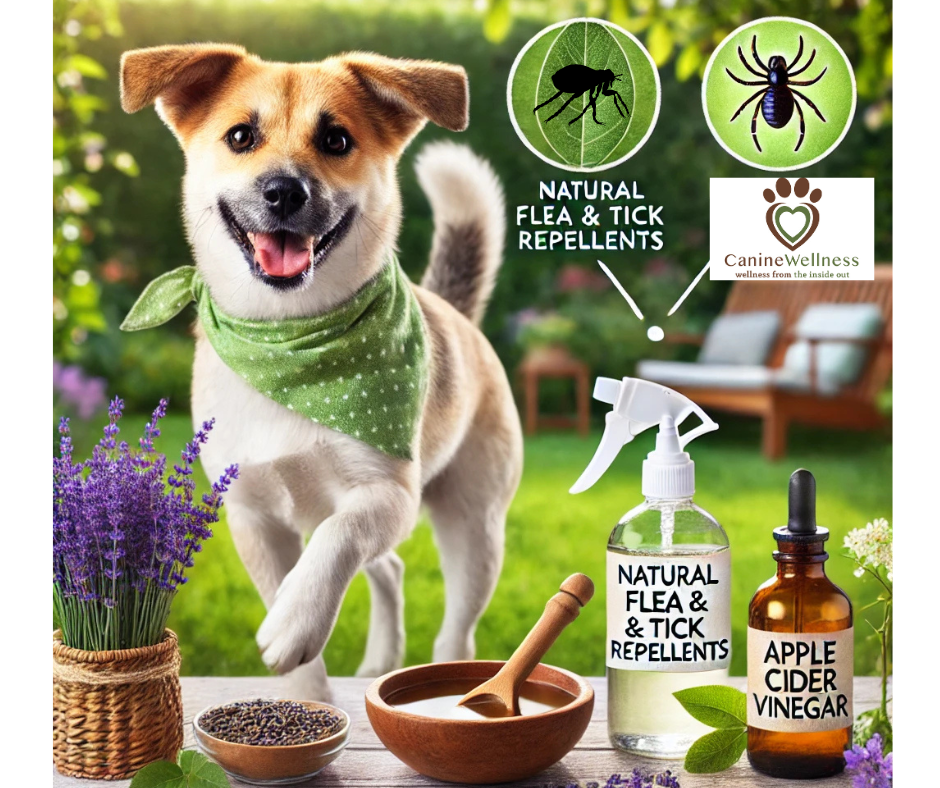
Flea and tick season is upon us, and keeping your furry friend safe is a top priority. While chemical treatments are common, they often come with unwanted side effects and are toxic. Luckily, there are natural alternatives that can help protect your pup without exposing them to harsh chemicals. Let’s explore some of the best natural flea and tick prevention methods!
Natural Flea & Tick Prevention Tips
✅Apple Cider Vinegar (ACV) – Mix a 50/50 mixture of ACV and water, then lightly spray it onto your dog’s coat before heading outdoors. This natural solution helps deter pests, making your pup less appealing to them. Be sure to avoid any sore or irritated areas, as the vinegar may cause discomfort. If you or your dog are not keen on the smell, try the Don’t Bug Me Spray or Roller listed below.
✅KG Pet Spray – is Natural and Chemical Free. It is Effective in Eliminating Mange (all types), Fleas, Ticks, Mites and Itchy Skin Problems. This has always worked wonders for my itchy dog, and I never go without it in my home. It can be sprayed directly onto their coat, as well as around the home, including areas where they sleep.
✅ Neem – I’ve used neem oil a few times on my dogs for harvest mites with great success! Neem oil is a natural, safe way to treat pests like fleas, ticks, and mites. It works by disrupting the pests’ ability to feed and reproduce, and it’s gentle on your pet’s skin.
✅ Coconut Oil – Applying coconut oil to your dog’s coat a few times a week acts as a natural repellent and also benefits their skin and coat health. Opt for Organic Extra Virgin Raw Coconut oil.
✅ Essential Oils – Essential oils, like peppermint, rose geranium and lemongrass, can be powerful natural repellents. Always ensure they are 100% pure (preferably organic) and properly diluted before applying to your dog.
✅ Herbal Flea Collars – You can easily create your own natural flea-repelling collar by adding a few drops of essential oils to a fabric collar or bandana. For a more ready-made option, Baltic amber and EM flea collars offer fantastic chemical-free alternatives. I personally use both on my dogs and affectionately refer to them as our “hippy necklaces”!
✅ Regular Grooming – Frequent baths using natural shampoos and daily brushing can help keep fleas and ticks at bay.
Keeping Your Pup Safe, Naturally
By incorporating these natural methods into your routine, you can help protect your dog from fleas and ticks without relying on chemicals. A little prevention goes a long way in ensuring your furry companion stays happy and healthy! 🐾✨
Recommended Products
Here are some natural flea and tick prevention products that I personally use and recommend.
🔹I do not receive an affiliate commission for these recommendations—these are just products that have worked well for me and my dogs, and I recommend them to all I work with!
Natural Remedies for Flea Infestations in the Home
If fleas have made their way into your home, try these natural solutions to eliminate them without harsh chemicals:
✅ Diatomaceous Earth (DE) – Sprinkle food-grade DE on carpets and any nooks and crannies where fleas may be hiding. Let it sit for a few hours, consider stepping out during this time before vacuuming thoroughly. Be cautious with (DE) as it can be harmful if inhaled due to its drying properties. Make sure neither you nor your dog breathe it in. Also, avoid applying it too often to your dog’s coat, as it can cause excessive dryness. I prefer using Neem for their coat or skin, avoiding DE altogether on them, and reserving it solely for use around the home.
✅ Vacuuming Frequently – Vacuum daily, especially in areas where your dog (or cat!) sleeps or spends a lot of time. Be sure to empty the vacuum outside to prevent reinfestation.
✅ Baking Soda & Salt – Sprinkling a mix of baking soda and salt on carpets and furniture can help dehydrate flea eggs and larvae. Let it sit for a few hours before vacuuming.
✅ Lemon Spray – Boil sliced lemons in water, let it cool, then spray the solution onto carpets, furniture, and pet bedding. The natural citrus repels fleas.
✅ Washing Bedding & Fabrics – Regularly wash your dog’s bedding, blankets, and any fabric items they use in hot water to kill fleas and eggs.
✅ Treating the Outdoors with Beneficial Nematodes – These microscopic organisms naturally prey on flea larvae in the soil, reducing the flea population in your garden. Simply apply them to damp soil in shaded areas for an eco-friendly solution. https://www.greengardener.co.uk/product/lawn-flea-nematodes/
✅ Flea Traps – Natural flea traps are available that use electric light and sticky pads to attract and capture fleas, helping monitor and reduce flea populations indoors.
I hope you make it through spring and summer without the hassle of those pesky critters! But if you do encounter them, rest assured that there are natural ways to remove them. While it might take a little more time and persistence, it’s definitely doable. Dogs on a natural diet rarely have to worry about fleas or ticks, and I’m proud to say that my dogs have never had fleas (knock on wood!). We’ve had a few encounters with ticks over the years, though. I used to have sleepless nights when my dogs got ticks, which, looking back, seems a bit ridiculous. I used to be really concerned about the risk of Lyme disease, especially with all the media hype. The best way to get people to use these products is by playing on their fear! But now, I just find ticks repulsive, rather than terrifying. After reading an informative article about Lyme disease, my worries were eased, and I hope it helps put your mind at ease too. Don’t let these pests cause you unnecessary stress! The Lyme Disease Lie – Dr Sam Bailey
How to Bathe Your Dog When They Have Fleas
If your dog has fleas, it’s important to bathe them properly without using harsh chemicals. A regular sensitive shampoo, such as Lucaa or Helios, can be just as effective and gentle.
Step 1: Check for Fleas First with Wet Paper Towel Test
Before you begin the bath, check for fleas:
Wet a Paper Towel: Dampen a paper towel with water.
Use a Fine-toothed Comb: Gently comb through your dog’s fur over the wet paper towel.
Look for Flea Dirt: If you see small dark specks (flea dirt), this could be a sign that your dog has fleas.
Check for Red Spots: Flea dirt that turns red when it touches the wet towel indicates that the dirt contains blood and the flea’s waste, confirming a flea infestation.
If you find fleas or flea dirt, proceed with the bath. If not, you may want to monitor your dog for any further signs of fleas.
Step 2: Bathe Your Dog Using Sensitive Shampoo
Preparation:
Choose a sensitive shampoo, preferably Lucca or Helios that’s gentle on your dog’s skin.
Have a fine-toothed comb ready for post-bath flea removal.
Apply the Shampoo:
Start with your dog’s dry coat, (do not wet the coat). This allows the shampoo to work more effectively and smother the fleas.
Begin by applying the shampoo to the head area first, as fleas tend to rush to the head.
Gently massage the shampoo into your dog’s fur, covering the neck, legs, belly, and back and tail.
Leave the Shampoo On:
Let the shampoo sit for at least 10 minutes to allow it to break down flea oils and kill the fleas.
Rinse Thoroughly:
After 10 minutes or as long as your dog will allow, rinse your dog thoroughly with warm water. Make sure no shampoo is left on their coat.
Use the Fine-toothed Comb:
After rinsing, go through your dog’s coat with the fine-toothed comb to remove any remaining fleas, flea eggs, and flea dirt.
Pay close attention to areas like the neck, behind the ears, and the base of the tail, where fleas like to hide!
Step 3: Understand the Flea Life Cycle
To fully eliminate fleas, it’s important to understand their life cycle:
Egg Stage: Fleas lay eggs on your dog, which fall off into the environment (like carpets or bedding).
Larva Stage: Flea eggs hatch into larvae, which live in the environment and feed on organic matter, including flea dirt.
Pupa Stage: Larvae become pupae, encased in a cocoon, where they can remain for weeks or months, waiting for the right conditions to hatch.
Adult Flea: The adult fleas emerge, jump onto a host (like your dog), and start the cycle again.
To stop the flea cycle, you’ll need to treat your dog, your home, and your garden!
Unfortunately, the process can take some time, as the cycle continues until it’s fully disrupted. Patience and persistence are key to ensuring the fleas are completely gone!
Finally, here’s a great tip if your dog needs regular grooming: keep their coat extra short during spring and summer. This makes it more manageable and easier to spot fleas and ticks!
If your dog has ever struggled with an ear ‘infection’, itchy skin, or a persistent yeast issue, chances are antibiotics were prescribed. While antibiotics can sometimes be necessary, they’re not without their drawbacks. As a canine wellness specialist, I’ve seen many dogs go through endless cycles of antibiotics—yet the problem always seems to come back. Why? Because the root cause was never addressed.
Here’s why this happens and how you can help your furry friend heal naturally.
Why Antibiotics Can Be Detrimental
Antibiotics don’t just target the issue at hand—they can also disrupt the natural balance in your dog’s gut and overall system. This disruption can:
Lead to digestive issues and an imbalance in the gut, making it harder for your dog to properly absorb nutrients.
Increase inflammation, which can lead to chronic discomfort and recurring symptoms.
While antibiotics may offer short-term relief, they don’t address the underlying cause of the problem, which is why the issue keeps coming back.
What Are Antibiotics? The word antibiotic comes from Greek roots: anti- meaning “against” and bios meaning “life.” Essentially, antibiotics are substances that kill or inhibit bacteria—living organisms.
How Traditional Veterinary Medicine Approaches ‘Infections’.
Conventional veterinary medicine often treats inflammation and ‘infections’ symptomatically rather than addressing their root cause. The common approach includes:
Frequent Antibiotic Use: Antibiotics are often prescribed repeatedly. This can weaken the terrain over time and disrupt the gut microbiome.
Steroids to Reduce Inflammation: While steroids may temporarily suppress symptoms, they do not address the root cause of inflammation. Instead, they can weaken the body’s natural healing processes, creating long-term imbalances and potential health complications. What starts as a short-term solution can quickly turn into dependency, as stopping steroid use may lead to symptom flare-ups, making it difficult to discontinue them. This cycle often results in prolonged or indefinite use, rather than true resolution of the underlying issue.
Ignoring Diet and Gut Health: Nutrition and gut balance are often overlooked despite being crucial factors in preventing chronic inflammation and diseases in dogs (and cats).
Unfortunately, antibiotics and steroids are relied on too often, providing only a temporary fix while the real problem remains unaddressed. This is why ‘infections’ and yeast overgrowth keep coming back, leading to an endless cycle of treatment and recurrence.
How the Terrain Model Views Symptoms
The terrain model takes a completely different approach to health. Instead of viewing symptoms as something to be fought against, it understands that the body creates these imbalances as a response to underlying issues. What many call ‘infections’ are actually the body’s natural way of detoxing and healing. Rather than fearing symptoms, we should focus on identifying and removing the root cause of the inflammation and imbalance.
By addressing diet, gut health, and environmental stressors, we can create an internal environment where the body does not need to produce these imbalances. The key to lasting wellness is not suppressing symptoms with antibiotics but supporting the body’s innate ability to heal itself.
Why Do ‘Infections’ and Yeast Keep Coming Back?
‘Infections’ and yeast overgrowth are often symptoms of deeper issues. Without addressing these root causes, the problem is almost guaranteed to return. Here are the five most common reasons:
1️ Diet: Highly processed and cooked foods can fuel yeast overgrowth and inflammation. Switching to a fresh, species-appropriate diet can make a huge difference.
2️ Environmental Allergens: While allergens like dust mites, grass, and pollen aren’t the root cause of your dog’s health issues, they can trigger overreactions when the body’s internal balance—known as the “terrain”—is compromised. An imbalanced internal environment makes the body more reactive to otherwise harmless stimuli, leading to skin, ear, and respiratory issues.
3️ Vaccines, Flea, and Worming Products: vaccines and chemical flea and worming products can add to your dog’s toxic load. This can result in ‘allergy’-like symptoms, including skin rashes, digestive issues, and recurrent ‘infections’, that are often overlooked. The body becomes overwhelmed with toxemia, and reactions occur more frequently.
4️Unresolved Gut Health Issues: An imbalanced gut can lead to recurring yeast overgrowth and skin problems. The gut is only out of sync due to the food we feed—nourish it with what it naturally needs, a diet rich in whole, unprocessed foods.
5️ Stress: Chronic stress disrupts the gut balance and increases inflammation, making the body more susceptible to ‘infections’ and yeast overgrowth. Stress in dogs can stem from changes in routine, lack of mental stimulation, inadequate exercise, or even emotional distress from their environment. Supporting your dog with a balanced lifestyle, enrichment activities, and a calm, stable environment can significantly reduce stress-related health issues. Dogs can also pick up on our energy and emotions. If you want to learn more about this, I can highly recommend this book: https://www.waterstones.com/book/your-dog-is-your-mirror/kevin-behan/9781608680887
The Road to True Healing
If your dog has been stuck in the antibiotics loop, there’s hope! Here’s how to start their healing journey:
Focus on Nutrition: Transition to a diet that supports gut health and reduces inflammation. Opt for whole foods, low-fat and high-quality protein sources and incorporate fasting for faster healing. More on fasting here: https://canine-wellness-specialist.uk/2024/04/09/fasting-dogs/
Investigate the triggers: Work with a specialist to identify and eliminate environmental allergens that may trigger the issue. While allergens aren’t the root cause, addressing the internal imbalance will help your dog better handle these stimuli.
Support Gut Health: In some cases, digestive enzymes may be used to help restore balance in the gut. If the body isn’t properly absorbing nutrients from food, healing becomes much more difficult. By improving digestion and nutrient absorption, your dog can regain optimal health.
Find the Root Cause: Work with someone like myself who identifies the underlying issues causing your dog’s recurring problems. Addressing these root causes with a personalised, natural approach can make a lasting difference in your dog’s health.
Healing takes time and may come with some challenging detox symptoms, but with the right approach, it’s absolutely achievable. Your dog’s vibrant health is worth the journey—and they’ll thank you with every wag of their tail.
Have you dealt with recurring “infections” or persistent yeast issues in your dog, only to find that antibiotics provide temporary relief before the problem returns? Share your experience below!
If you need one-to-one support and personalised guidance, contact me for a consultation. Together, we can help your dog heal from the inside out.
As the summer season brings warmer weather and increased sunshine, it’s crucial for us, as responsible pet owners, to prioritise the safety and health of our beloved pets. With rising temperatures expected in the UK this week, it’s up to us to take proactive steps to protect our furry companions. Here are some tips to ensure their comfort and safety during this time.
How to keep your dog cool:
Use cool mats or place your dog on a cool, wet towel.
Place fans around your home so your dog can lie nearby, or encourage them to sit or lie in a spot with a draft.
Paddling pools are great for your dog to cool off in. Ensure it is placed in a shaded area.
Keep on top of grooming, especially for long-haired breeds, as matted fur can prevent dogs from regulating their own temperature. If you have a dog whose hair grows long, such as a Poodle, Shih Tzu, Maltese or Lhasa Apso and mixed breeds like Cockapoos, Cavapoos, etc, it is a good idea to ask your groomer to give your dog a short haircut, during the summer months.
Never leave your dog in your car.
Avoid taking your dog in the car during the hottest part of the day, and do not leave them in the car, even when running quick errands. During warm weather, even with the windows slightly open, your car is not a safe place for your pets. If you see a dog left in a car and showing any signs of heatstroke, call 999 immediately. Dogs can die in hot cars. When the temperature outside is 22°C (70°F) the car can reach as high as 30°C in just 10 minutes and 40°C within 30 minutes!
What is heatstroke in dogs?
Heatstroke is when a dog becomes too hot and cannot regulate its temperature. Dogs do not sweat like humans; they can only sweat through their paws, and their primary method of regulating their temperature is through panting. Flat-faced breeds such as Bulldogs, Pugs, Shih Tzu, and Boxers are more susceptible to heatstroke due to their shortened airways restricting airflow, so owners of these breeds should be extra vigilant in the summer months.
Warning signs of heatstroke include:
– Heavy panting and difficulty breathing
– Excessive drooling
– Lethargy, drowsiness, or uncoordinated movements
– Vomiting or collapsing.
How to keep your dog hydrated:
1. Ensure your dog has access to clean, fresh water at all times.
2. Place ice cubes in their water bowl and offer frozen treats such as fruit or frozen stuffed Kongs.
– Plan your walks for early morning or late evening when temperatures are lower
– Avoid walking during the hottest part of the day, which is from 8 a.m. to 6 p.m., although this can sometimes be later in the evening during a heatwave
– The safest temperature range for dog walking is up to 19°C (68°F), with the ideal range from 12°C to 15°C
– Always remember to take water with you and offer hydrating treats such as cucumbers
– If your dog misses a walk for one day, it won’t cause harm
– Dogs can overheat and potentially die from hot walks, so it’s important to keep them at home in the cool
The five-second-hand rule
– Before considering a walk, do the 5-second hand test: place the back of your hand on the pavement, and if you cannot hold it for five seconds, it’s too hot for your dog’s paws
– Hot pavements can burn your dog’s paws, so if it’s too hot for you, it’s too hot for your dog!
Dogs may chew, lick, and bite their paws for various reasons, confusing many people trying to figure out what is happening. These reasons may include yeasty paws, mites, environmental factors such as walking on prickly surfaces like nettles, or exposure to chemicals sprayed on lawns. Additionally, some dogs may lick themselves as a soothing behaviour, which can become a habit, or they may do so due to stress. It’s important to note that dogs pick up on our anxieties and energy, so it’s essential to be mindful, as they are like sponges and mirror us.
The most common issue I encounter is yeast, which can be detected by a cheesy popcorn odour. Paws are used as a secondary detox avenue, which results in yeast coming out of the paws. Yeast and Dogs – Canine Wellness Specialist (canine-wellness-specialist.uk) Many dogs can experience unpleasant symptoms when dealing with this condition because it can be extremely itchy. You may notice your dog sniffing at their paws, which is a sign because they enjoy unpleasant smells! Once we understand what is causing the issues, we can address the root cause, primarily related to diet. https://canine-wellness-specialist.uk/2022/07/20/commercial-pet-food/ Focusing on diet and feeding strategies can address the problems from within, so these foot soaks may help relieve your dog while addressing the root cause. It’s important to note that all these remedies are safe for your furry friend, providing you with peace of mind as you naturally care for their itchy paws.
Apple Cider Vinegar
When selecting vinegar, choose organic vinegar that contains ‘the Mother’, which is unfiltered, unprocessed, and unpasteurised. If the vinegar appears crystal clear, it has been tampered with, and all the nutrients have been removed. You can find organic ACV in most supermarkets. I get mine from Aldi or a well known brand called Braggs.
To make the paw soak solution, add two parts water to one part ACV. Soak your dog’s paws in this solution for 5 minutes. After the soak, it’s important not to rinse the paws but to dry them thoroughly. Leaving the paws wet or damp can cause more irritation. For continuous relief throughout the day, you can make up a spray bottle using 50% water and 50% ACV and spray it on the paws. However, it’s crucial to note that this solution should not be used on open wounds or sore skin as it will sting.
Baking Soda
Use food-grade baking soda, also known as bicarbonate of soda. Add 1-2 tablespoons of baking soda to 5 litres of warm water. Have your dog stand in the bowl or bucket for about 5 minutes. This solution is known to help soothe and soften the skin, an added bonus if your dog’s pads need extra TLC. Try to distract your dog from licking the solution. Although it is safe for them to lick a small amount, larger quantities may cause some digestive upset.
Chamomile or Green Tea
You can use cooled chamomile or green tea if your dog’s paws are a little irritated—steep several tea bags in a bowl or sink of warm water for 5 minutes. Then, remove the tea bags and soak your dog’s paws for 15 minutes. There’s no need to rinse. After soaking, thoroughly dry your dog’s paws. I have found using a blaster handy when drying fluffy paws. 2800W Dog Blaster Dryer for Professional Dog Grooming – Gravitis Pet Supplies
Epsom Salts
Also known as magnesium sulfate, is made up of magnesium, sulfur, and oxygen. Although it is called ‘salt’, it is an entirely different compound from salt and was likely named this because of its chemical structure. Add approximately 2-3 tablespoons of Epsom salts to 5 litres of water to prepare. If your bowl is smaller than this measurement, adjust accordingly. There’s no need to be exact.
Celtic Sea Salt or Himalayan Salt
Do not use table salt, as this is not organic and is highly refined. Sea salt contains minerals like magnesium and potassium. Himalayan salt is known for its high mineral content, including calcium, iron, and zinc.
Add 2 teaspoons of Celtic or Himalayan salt to 1 litre of water. Ensure the water is warm or hot enough for the salt to dissolve, especially using Himalayan salt. You may notice some of the pink salt at the bottom of the bowl, which is normal. Be cautious, as large quantities of salt could make your dog vomit, so try to prevent your dog from licking the solution.
You are welcome to estimate the amounts for any of these solutions and adjust the quantities based on your needs. For instance, if your dog is only experiencing issues with one paw, you might only need to fill a small bowl or cup to soak that paw. If your dog is comfortable and will allow it, you can soak either of these solutions for as long as possible, up to 15-20 minutes, to achieve the best results.
This knowledge empowers you to take control of your pet’s health and well-being naturally. If you are looking in the right places, it is achievable to reverse the issues without using harsh drugs or chemicals. Understanding the symptoms is a big part of the puzzle. https://canine-wellness-specialist.uk/2022/01/07/hello-world/
If you feel you could benefit from one-to-one support to identify the symptoms of your dog’s itchy paws, get in touch.
As you may have noticed from my previous posts, I am not a supporter of ready-made minced raw food, such as the 80:10:10 or ‘completes’ that raw food manufacturers produce. There are some that are useable but not many. While commercial raw diets are still better than kibble, they have their downsides. The best way to ensure the health and well-being of our dogs (and even reverse disease) is by preparing their food ourselves.
Many of my clients have been feeding their dogs a raw diet for years but are still facing health issues, mainly due to an excess of unhealthy fats and combining a concoction of foods in the same bowl. Regardless of what the packaging says, we cannot guarantee the fat content in these minces. Some are finely minced, while others are coarser to allow for easy identification of the white parts (fat). Fat is a waste product, cheap, and adds weight to the product, which means more money in the manufacturer’s pocket.
Additionally, these minces can contain incompatible, unhealthy, and unnecessary ingredients such as supplements, oils, garlic, and a mixture of fruits and vegetables. While fruits and some vegetables are healthy and in fact help with healing a sick dog. Mixing meat-based and plant-based foods in a meal can hinder the process of digestion. Nature rarely makes mistakes. We can observe how wild animals eat. Looking at nature, we can learn a lot. However, our disconnection from it prevents us from doing so. For instance, a wolf wouldn’t hunt down its prey and then forage on fruits.
MEAT & FAT = ACIDIC When meat is digested, it requires an acidic environment. Undigested meat that sits in the digestive tract produces putrefaction, which is ammonia.
CARBOHYDRATES, STARCHES & SUGARS = ALKALINE Undigested plant material that sits in the digestive tract produces fermentation which is alcohol. Both ammonia and alcohol are toxic substances.
It’s important to know that when acid and alkaline are combined, they neutralise each other. This can result in undigested food becoming waste, which can lead to the accumulation of debris in the body. This can overwhelm the primary organs responsible for eliminating waste, such as the liver, kidneys, lungs, colon, skin, and lymphatic system. The lymphatic system is the sewerage system of the body. Lymph fluid carries acids, toxins, and waste materials out of the body via the elimination channels.
When these organs become overloaded with toxins, they release the waste through other channels such as the ears, eyes, paws, and skin. These symptoms are usually treated with drugs, but in reality, the body is just trying to cleanse itself through detoxification.
It is worth noting that dogs are not biologically adapted to process the high quantities and quality of fat that are present in agricultural raised animals. These animals are often fed with a diet that is designed to fatten them up for market, and as a result, they end up storing toxins in their fatty tissues. This is because, like all bodies, they store waste in their fatty tissues. This can cause too much toxic fat in the bloodstream that can clog cell receptors, leading to sugar accumulation and yeast ‘infections’. While wild dogs typically eat meat and fruit separately, domesticated dogs are often fed in a way that goes against their natural diet, leading to diseases.
To ensure a healthier dog, we should mimic their natural diet in the wild as much as possible which consists of lean animals. As dogs share 99.9% of their DNA with the Grey Wolf, their closest living relative, it makes sense to follow their natural diet to promote better health in our pets. Wild canines have to travel a considerable distance every day to search for food. In contrast, our domesticated dogs typically receive only an hour of exercise daily, if they are lucky. If you search for wild canines on Google, you’ll see that they are like athletes. I’ll cover the issue of overweight domesticated dogs at a later time. When dogs lack of physical activity, along with the regular consumption of inappropriate food, it can have disastrous consequences, leading to issues such as arthritis, obesity, and cancer in dogs. In contrast, wild canines do not suffer from these problems.
Please take a look at the photo I have attached. I recently bought more chunks of meat from a different supplier of raw food. However, like my previous supplier, they are also inconsistent with what they send. This is also a common issue with human meat suppliers that we find in our supermarkets. I don’t want to name the suppliers as it could harm their reputation. However, I wanted to bring it to your attention that if they are selling meat with such a high amount of fat, it raises the question of what they could be putting in their minces.
We have two pieces of meat weighing a total of 2 kg. The first and second pieces have a shocking amount of fat on them. I removed some of the fat, which weighed approximately one-quarter of the total weight of the meat. After trimming the meat, I refroze it for later use. However, I still had to remove more fat before feeding it to my dogs since there was still a lot left on the meat. Feeding a small amount of fat to dogs is acceptable, but removing excess fat is generally recommended. This is just one way to prepare meat for your pets.
It’s important to keep in mind that not all raw food is equal and may not promote true health for your dog. Therefore, be cautious when deciding what to feed them.
If you need help feeding your dog a healthy diet or supporting a sick dog, don’t hesitate to reach out to me for guidance. I specialise in creating customised healing diet plans.






 Canine Wellness Specialist