
Reading time approx 3 minutes:
We put so much care into choosing the right food for our dogs, whether it’s raw, gently cooked, or whole-food based. But what if even the most nutritious food isn’t being used by the body the way it should be?
This is where malabsorption comes in, a condition that’s more common than most dog guardians realise, especially in dogs with long histories of processed or inappropriate feeding.
💡 What is Malabsorption?
Malabsorption simply means the body is unable to absorb nutrients effectively from the food being eaten. It’s not always about what you feed, it’s about how well your dog’s body can extract, absorb, and use those nutrients.
🧠 A Deeper Look: Years of Misfeeding Take Their Toll
Many dogs today have been raised on highly processed, species-inappropriate diets, with kibble being the biggest culprit. Over time, these diets can:
- Damage the gut lining
- Disrupt natural enzyme production
- Inflame and irritate the intestines
- Encourage waste buildup in the gut
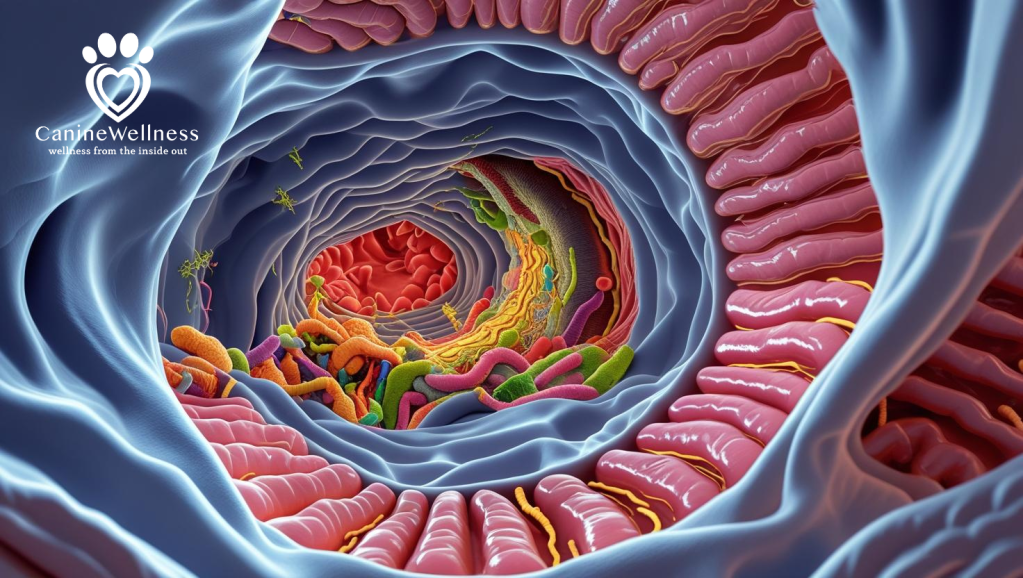
This waste doesn’t just move on. Instead, it embeds itself in the microscopic grooves of the intestinal lining, hardens, and turns into a sticky, tar-like residue.
🔒 Why This Is a Problem
This hardened build-up acts like a wall between your dog’s food and their body. Imagine the gut as a sponge; it’s meant to absorb nutrients. But when it’s coated in sticky debris, it can’t absorb properly.
The results?
- Nutrient deficiencies
- Low energy
- Poor coat quality
- Chronic skin issues
- Inflammation
- Toxin buildup
- Loose stools or ongoing digestive troubles.
No matter how healthy the food is, if the gut lining is compromised, those nutrients won’t reach the bloodstream, and the body can’t use what it can’t absorb.
⚠️ Signs Your Dog May Be Experiencing Malabsorption
- Eating a good diet but still underweight or low energy
- Chronic diarrhoea, loose stools, or inconsistent poops
- Dull coat, dry skin, or excessive shedding
- Frequent itching or signs of inflammation
- Bad breath despite dental care
- Symptoms that don’t improve even with “clean” food
🛠️ What You Can Do About It
1. Support a Gentle Detox
Clearing out that waste build-up is key. Detox doesn’t mean harsh cleanses; it means supporting the body’s natural ability to clear debris on its own, hydration, rest and in some cases, using appropriate supplementation.
2. Introduce Fasting or Simplified Diets
Giving the digestive system a break allows the body to focus on repair, not digestion. Fasting (when used appropriately) is incredibly effective in helping the gut shed accumulated waste.
3. Avoid Processed or Chemical-Laden Foods
Even “high-quality” kibble, wet foods and commercially prepared cooked foods are still processed. The goal is to return to species-appropriate, whole-food nutrition that the body can recognise, break down, and absorb.
4. Repair the Gut Lining
Once the root cause of malabsorption is addressed and removed, the body has an incredible ability to heal itself, especially when returned to a natural, species-appropriate diet. By feeding foods that align with your dog’s biology, you provide the building blocks for the gut lining to restore its strength and function over time. In some cases, a high-quality digestive enzyme supplement specifically designed for dogs and cats may be beneficial in kick-starting the healing process.
5. Work With a Practitioner
Every dog is unique. If you suspect malabsorption, a qualified canine health professional like me can evaluate your dog’s symptoms and develop a plan tailored to their needs.
🐶 Food Is Only As Good As What Gets Absorbed
Malabsorption can quietly undermine even the best feeding practices. But with the right approach – detoxing, fasting, gut support, and appropriate nutrition, you can help your dog get the most out of their food again and truly thrive.
Because in the end, it’s not just about feeding—it’s about healing.
Thank you for reading.
Teresa x
 Canine Wellness Specialist