
Reading time: approx. 6 minutes
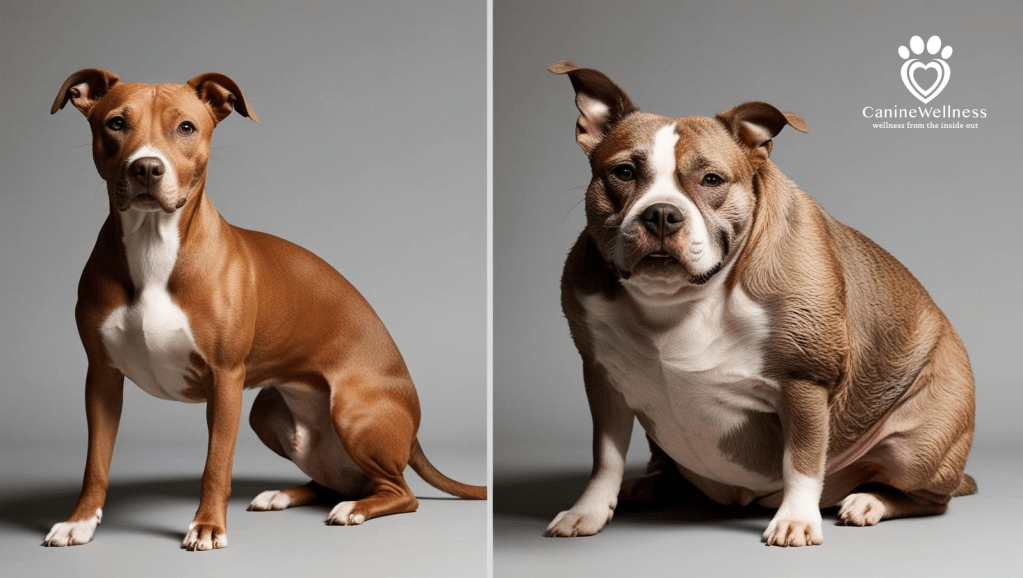
Imagine being trapped in a body that’s too heavy to run, jump, or even breathe comfortably. This is the reality for millions of dogs today. Obesity in dogs is a growing issue, and the main culprit is diet. Many dog owners unknowingly contribute to their pets’ weight gain by feeding them highly processed foods that are packed with fats and unhealthy fillers. Even commercially available raw food, often thought to be a healthier option, can contain excessive amounts of fat, which can lead to obesity and related health issues.
Small Steps, Big Results
The journey to helping your dog achieve a healthier weight doesn’t happen overnight, but small, consistent changes can lead to big results. Start by adjusting their diet gradually, reducing portion sizes, and adding in more natural food options like lean meats and plant-based meals. A little goes a long way, and before you know it, you’ll notice a happier, healthier dog with more energy and vitality.
🐾 Want to Learn How to Start Making Small Changes That Lead to Big Results?
You’re not alone, and help is just a message away. I offer personalised guidance on diet transitions, portion control, and fasting strategies tailored to your dog’s needs. 👉 https://canine-wellness-specialist.uk/contact/
The Importance of an Appropriate Diet
A species-appropriate diet is key to maintaining a dog’s healthy weight. Most commercial dog foods are not aligned with dogs’ biological needs. Dogs should primarily consume fresh, lean meats, bone and offal, but even then, portion control is crucial. Overfeeding is a common issue; many owners don’t realise that their dogs eat far too much.
How Widespread is Canine Obesity?
In my work, I educate dog owners about proper nutrition and the effects of poor dietary choices. A staggering 80% of the dogs that come to me are overweight, yet their owners are often completely unaware. This is because we have become so accustomed to seeing overweight dogs that it has become the norm. Many owners don’t realise what a healthy dog should actually look like!
What Should a Dog Look and Feel Like? A healthy dog should have:
- A visible tuck under the tummy—there should be a noticeable upward curve from the chest to the abdomen.
- Easily felt ribs—without pressing too hard, you should be able to feel each rib.
- A defined waist—when looking down at your dog from above, you should see an inward curve behind the ribcage.
Dogs are lucky to get one hour of walking per day compared to their wild counterparts, wolves, who can travel between 10 to 30 miles daily in search of food, territory, and mates. Just Googling an image of a wild canine will put into perspective what their physique should look like. These animals are like elite endurance athletes, built for stamina, agility, and efficiency. Their lean frames, strong muscles, and high activity levels are a reflection of their natural lifestyle. Domesticated dogs, though not living in the wild, still carry the same physiology. Supporting this with proper nutrition and adequate movement is essential to maintaining a healthy body.
The Role of Fasting and Plant-Based Days
Dogs do not require meat daily, and we are overfeeding them. To maintain optimal digestion and health, dogs should have at least one or two days without meat, either fasting or eating plant-based meals. Dr. Claire Middle, in her book Real Food for Dogs and Cats: A Practical Guide to Feeding Your Pet a Balanced, Natural Diet, suggests that dogs benefit from two fasting days each week. She recommends feeding dogs five meals per week and fasting on two non-consecutive days, to mimic a more natural feeding pattern.
However, some owners may not want to fast their dogs initially. This is where plant-based meals come in! Watermelon days are a great substitute for fasting, as watermelon is very easy on digestion. It takes only a few hours to digest, leaving plenty of time for the body to focus on healing. Digesting meat, on the other hand, can typically take anywhere from 8 to 36 hours.
It’s critical never to mix meat and plant-based foods in the same meal. This is because:
- Meat requires an acidic digestive environment.
- Fruits and vegetables promote an alkaline digestive environment.
The two types of food cancel each other out, leading to inefficient digestion and potential health issues.
MEAT AND FAT = ACIDIC When meat is digested, it requires an acidic environment. Undigested meat that sits in the digestive tract produces putrefaction, which is ammonia.
VEG AND FRUIT = ALKALINE Undigested plant material that sits in the digestive tract produces fermentation = alcohol.
Ammonia and Alcohol Are Toxic to Cells—Here’s Why
When digestion is incomplete, waste materials like ammonia (from undigested meat) and alcohol (from fermenting plant matter) are produced. Ammonia is a by-product of protein breakdown and is highly toxic to cells. It disrupts cellular metabolism, damages tissues, and places a heavy burden on the liver, which must work overtime to neutralise it. Similarly, alcohol from fermentation can damage the gut lining, impair nutrient absorption, and create systemic inflammation.
These toxic by-products interfere with the body’s ability to detoxify and regenerate, leading to symptoms like skin issues, ear ‘infections’, and digestive distress. Over time, the accumulation of these toxins contributes to chronic health problems. When waste accumulates, it overwhelms the primary organs of elimination (liver, kidneys, lungs, colon). It has no other option but to send the waste out via different avenues, such as the ears, eyes, paws, and skin. What we often mislabel as symptoms or ear ‘infections’- like itchy ears or skin flare-ups- may actually be the body’s intelligent way of eliminating toxins and initiating a healing response.
How to Support the Healing Process
Symptoms Are Often the Cure
It’s important to understand that many of the symptoms we see, such as skin eruptions, ear discharge, eye gunk, and even digestive upset, aren’t always signs that the body is failing. In fact, they can be signs that the body is doing exactly what it’s supposed to: detoxifying. The body is a self-healing, self-regulating organism. When waste builds up beyond what the main elimination organs can handle, it begins to expel these toxins through secondary channels like the skin, ears, and paws.
These symptoms are often part of the healing process. They are the body’s attempt to restore balance and remove toxic build-up. Suppressing them with medications may stop the outward signs temporarily, but it can also drive the toxins deeper into the body, where they cause long-term damage.
Supporting the body’s detoxification through species-appropriate nutrition, rest, and time allows the natural healing mechanisms to work as intended. When we understand that symptoms are often a form of elimination, we stop fearing them and start supporting the process instead.
Rotational MonoFeeding
Rotational MonoFeeding is an approach that involves alternating between meat days, plant-based days, and fasting days. It enables dogs to switch between meat-based meals and plant-based meals while also incorporating fasting days to give their digestive system a break. This feeding method supports the physiological rhythm of digestion, minimising gastrointestinal burden and promoting optimal nutrient diversity and absorption.
Nora Lenz, the founder of Rotational MonoFeeding, advocates this approach because RMF is based mostly on the wild model and partly on what has been observed to work in domestic dogs. This approach is science-based, prevents disease, and can even reverse it!
🐾 Wondering if this Natural Approach is Right for Your Dog?
Whether you’re new to natural feeding or simply want to explore how to better support your dog’s well-being through nutrition and lifestyle, I can help you get started with a plan that suits your dog’s unique needs.
👉 https://canine-wellness-specialist.uk/contact/
Mimicking Nature for Optimal Health
In our modern lives, we’ve become increasingly detached from nature, yet it’s essential to remember that nature seldom errs. Domesticated dogs share 99.9% of their DNA with their wild counterparts, the grey wolves. Aligning our dogs’ diets with their natural evolutionary patterns is crucial for their health.
Wild wolves do not consume meat and plant-based foods in the same meal. This feeding behaviour has been extensively documented by renowned wolf biologist Dr. L. David Mech, who has studied wolves since 1958 across various regions, including Minnesota, Alaska, Yellowstone National Park, and Ellesmere Island in the Canadian Arctic. In his observations, Mech noted that wolves primarily consume their prey, meat, bones, and organs and any plant matter is ingested separately. This natural separation allows for optimal digestion and nutrient absorption.
By emulating this natural feeding pattern, avoiding the combination of meat and plant-based foods in a single meal and incorporating fasting or plant-based days, we can support our dogs’ digestive health, reduce inflammation, and enhance their overall well-being. Nature provides the blueprint; it’s up to us to follow its guidance.
For those interested in delving deeper into Dr. Mech’s research, his book Wolves: Behavior, Ecology, and Conservation offers comprehensive insights into wolf behavior and ecology.
The Natural Canine Diet and Its Role in Health
When feeding a natural canine diet that mimics what they would naturally eat, it’s important to recognise that dogs will typically require more food than they would on a standard commercial raw food diet. While many dogs on the BARF (Biologically Appropriate Raw Food) diet are fed around 2-3% of their body weight, dogs following a more natural diet—one that aligns more closely with what their ancestors would have eaten—may need up to 5% or more of their body weight. This is particularly true when addressing health issues that involve fasting and incorporating plant-based days.
Fasting and plant-based days may be required as part of the process, not because the body needs more fuel but because lifting the burden is key. The body has an innate ability to heal itself once the correct conditions for health are established. https://canine-wellness-specialist.uk/2024/04/09/fasting-dogs/
What Types of Food are Best for Dogs?
When feeding a natural canine diet, it’s important to focus on wild-caught meats, which are naturally lower in fat and closely mimic the diets of wild canines. These animals consume a natural diet and are leaner compared to domesticated animals. Here are some excellent options for your dog’s diet:
- Rabbit
- Hare
- Venison
- Pheasant
- Wood Pigeon
While fattier, farmed meats such as chicken, beef, lamb, and pork can be used when preparing homemade meals for your dog, they are not recommended when feeding pre-made raw food, as these meats often contain too much fat. When you prepare the food yourself, you have complete control over the fat content and can balance it with leaner cuts, removing excess fat before feeding it to your dog.
Why Feeding Fat from Certain Animals Can Be Detrimental
Feeding dogs too much fat from animals, especially those raised in commercial farming systems, can be detrimental to their health. Fat is where many toxins are stored in animals (and humans), accumulating over time and leading to disease. Wild-caught meats, which are leaner, tend to have fewer toxins since the animals eat a natural diet in a healthier environment. However, farmed animals, especially those raised for meat production, can accumulate higher levels of chemicals and toxins in their fatty tissues. We do not want to feed our dogs this as it is disease-causing.
Feeding your dog fattier, toxin-laden meats can build up harmful substances in their system. This can cause a range of health issues, from digestive problems to long-term chronic conditions. Therefore, limiting the amount of fat in your dog’s diet and focusing on leaner meats, particularly wild-caught options, is important to avoid introducing excessive toxins.
By understanding the proper way to feed our dogs and avoiding excessive fat and overfeeding, we can combat the rising issue of obesity. It starts with education, awareness, and making informed dietary choices to give our canine companions the healthiest lives possible.
🐾 Ready to Transform Your Dog’s Health?
If you’re concerned about your dog’s weight or want to learn how to transition to a natural, species-appropriate diet, get in touch today for personalised guidance. Let’s help your dog thrive, not just survive.
👉 https://canine-wellness-specialist.uk/contact/
Thanks for reading!
Teresa
 Canine Wellness Specialist