
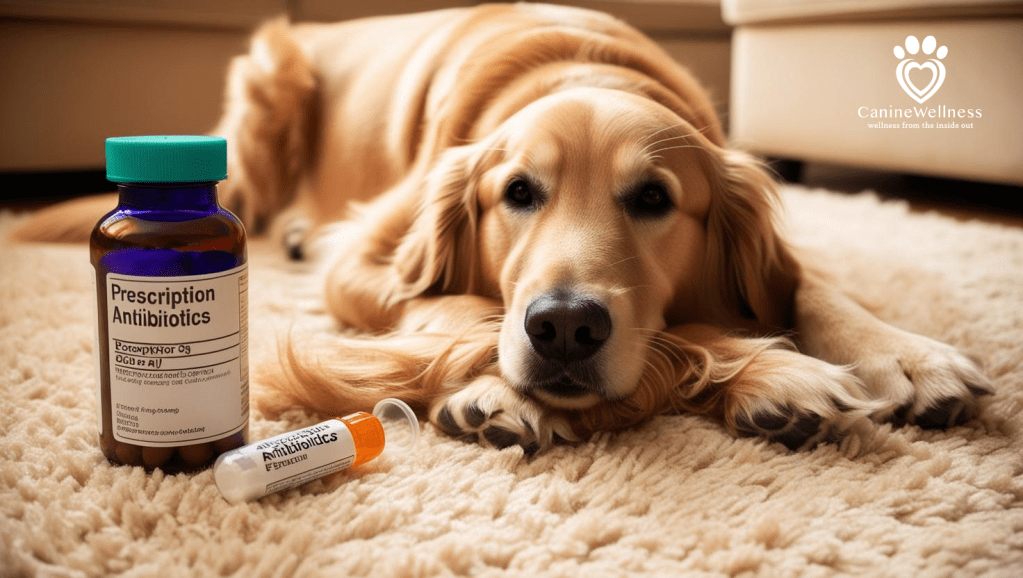
If your dog has ever struggled with an ear ‘infection’, itchy skin, or a persistent yeast issue, chances are antibiotics were prescribed. While antibiotics can sometimes be necessary, they’re not without their drawbacks. As a canine wellness specialist, I’ve seen many dogs go through endless cycles of antibiotics—yet the problem always seems to come back. Why? Because the root cause was never addressed.
Here’s why this happens and how you can help your furry friend heal naturally.
Why Antibiotics Can Be Detrimental
Antibiotics don’t just target the issue at hand—they can also disrupt the natural balance in your dog’s gut and overall system. This disruption can:
- Lead to digestive issues and an imbalance in the gut, making it harder for your dog to properly absorb nutrients.
- Allow yeast, like Candida albicans or the yeast fungus Malassezia pachydermatis to thrive, causing recurring skin, paw and ear problems. More on the role of yeast here: https://canine-wellness-specialist.uk/2022/03/01/the-role-of-yeast/
- Increase inflammation, which can lead to chronic discomfort and recurring symptoms.
While antibiotics may offer short-term relief, they don’t address the underlying cause of the problem, which is why the issue keeps coming back.
What Are Antibiotics?
The word antibiotic comes from Greek roots: anti- meaning “against” and bios meaning “life.” Essentially, antibiotics are substances that kill or inhibit bacteria—living organisms.
How Traditional Veterinary Medicine Approaches ‘Infections’.
Conventional veterinary medicine often treats inflammation and ‘infections’ symptomatically rather than addressing their root cause. The common approach includes:
- Frequent Antibiotic Use: Antibiotics are often prescribed repeatedly. This can weaken the terrain over time and disrupt the gut microbiome.
- Steroids to Reduce Inflammation: While steroids may temporarily suppress symptoms, they do not address the root cause of inflammation. Instead, they can weaken the body’s natural healing processes, creating long-term imbalances and potential health complications. What starts as a short-term solution can quickly turn into dependency, as stopping steroid use may lead to symptom flare-ups, making it difficult to discontinue them. This cycle often results in prolonged or indefinite use, rather than true resolution of the underlying issue.
- Ignoring Diet and Gut Health: Nutrition and gut balance are often overlooked despite being crucial factors in preventing chronic inflammation and diseases in dogs (and cats).
Unfortunately, antibiotics and steroids are relied on too often, providing only a temporary fix while the real problem remains unaddressed. This is why ‘infections’ and yeast overgrowth keep coming back, leading to an endless cycle of treatment and recurrence.
How the Terrain Model Views Symptoms
The terrain model takes a completely different approach to health. Instead of viewing symptoms as something to be fought against, it understands that the body creates these imbalances as a response to underlying issues. What many call ‘infections’ are actually the body’s natural way of detoxing and healing. Rather than fearing symptoms, we should focus on identifying and removing the root cause of the inflammation and imbalance.
By addressing diet, gut health, and environmental stressors, we can create an internal environment where the body does not need to produce these imbalances. The key to lasting wellness is not suppressing symptoms with antibiotics but supporting the body’s innate ability to heal itself.
Why Do ‘Infections’ and Yeast Keep Coming Back?
‘Infections’ and yeast overgrowth are often symptoms of deeper issues. Without addressing these root causes, the problem is almost guaranteed to return. Here are the five most common reasons:
1️ Diet: Highly processed and cooked foods can fuel yeast overgrowth and inflammation. Switching to a fresh, species-appropriate diet can make a huge difference.
2️ Environmental Allergens: While allergens like dust mites, grass, and pollen aren’t the root cause of your dog’s health issues, they can trigger overreactions when the body’s internal balance—known as the “terrain”—is compromised. An imbalanced internal environment makes the body more reactive to otherwise harmless stimuli, leading to skin, ear, and respiratory issues.
3️ Vaccines, Flea, and Worming Products: vaccines and chemical flea and worming products can add to your dog’s toxic load. This can result in ‘allergy’-like symptoms, including skin rashes, digestive issues, and recurrent ‘infections’, that are often overlooked. The body becomes overwhelmed with toxemia, and reactions occur more frequently.
4️Unresolved Gut Health Issues: An imbalanced gut can lead to recurring yeast overgrowth and skin problems. The gut is only out of sync due to the food we feed—nourish it with what it naturally needs, a diet rich in whole, unprocessed foods.
5️ Stress: Chronic stress disrupts the gut balance and increases inflammation, making the body more susceptible to ‘infections’ and yeast overgrowth. Stress in dogs can stem from changes in routine, lack of mental stimulation, inadequate exercise, or even emotional distress from their environment. Supporting your dog with a balanced lifestyle, enrichment activities, and a calm, stable environment can significantly reduce stress-related health issues. Dogs can also pick up on our energy and emotions. If you want to learn more about this, I can highly recommend this book: https://www.waterstones.com/book/your-dog-is-your-mirror/kevin-behan/9781608680887
The Road to True Healing
If your dog has been stuck in the antibiotics loop, there’s hope! Here’s how to start their healing journey:
- Focus on Nutrition: Transition to a diet that supports gut health and reduces inflammation. Opt for whole foods, low-fat and high-quality protein sources and incorporate fasting for faster healing. More on fasting here: https://canine-wellness-specialist.uk/2024/04/09/fasting-dogs/
- Investigate the triggers: Work with a specialist to identify and eliminate environmental allergens that may trigger the issue. While allergens aren’t the root cause, addressing the internal imbalance will help your dog better handle these stimuli.
- Support Gut Health: In some cases, digestive enzymes may be used to help restore balance in the gut. If the body isn’t properly absorbing nutrients from food, healing becomes much more difficult. By improving digestion and nutrient absorption, your dog can regain optimal health.
- Find the Root Cause: Work with someone like myself who identifies the underlying issues causing your dog’s recurring problems. Addressing these root causes with a personalised, natural approach can make a lasting difference in your dog’s health.
Healing takes time and may come with some challenging detox symptoms, but with the right approach, it’s absolutely achievable. Your dog’s vibrant health is worth the journey—and they’ll thank you with every wag of their tail.
Have you dealt with recurring “infections” or persistent yeast issues in your dog, only to find that antibiotics provide temporary relief before the problem returns? Share your experience below!
If you need one-to-one support and personalised guidance, contact me for a consultation. Together, we can help your dog heal from the inside out.
Thank you for reading!
Teresa x
 Canine Wellness Specialist